
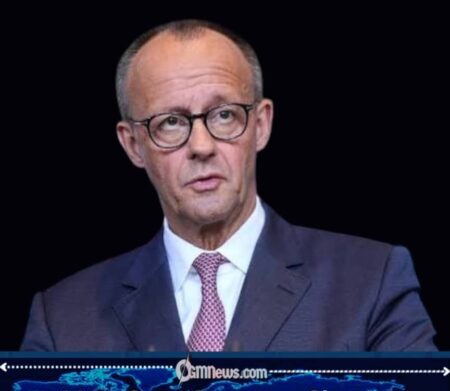
German Chancellor Friedrich Merz has declared that Germany shares the same strategic objective as the United States and Israel in preventing Iran from expanding its nuclear and ballistic missile capabilities. Speaking amid rising tensions in the Middle East, Merz said Western allies must ensure that what he described as the “terror of this regime” ends and that Iran’s military rearmament is halted.
The remarks come during a period of heightened geopolitical strain following military strikes on Iranian targets involving the United States and Israel. President Donald Trump, currently serving a second term, has defended the operation as necessary to counter threats from Tehran and to safeguard regional stability.
Germany’s position underscores a broader Western alignment on the Iranian issue, even as European leaders continue to stress the importance of diplomatic solutions alongside security measures.
Germany’s Position on Iran’s Nuclear and Missile Programs
For years, European governments have expressed deep concern about Iran’s nuclear ambitions and ballistic missile development. Germany, along with France and the United Kingdom, has consistently argued that Iran’s nuclear activities pose significant risks to regional and global security.
According to reporting by Reuters and other international outlets, Chancellor Merz said Germany shares the goal of ensuring that Iran does not acquire nuclear weapons or expand its missile arsenal. He emphasized that Tehran’s military development and regional activities remain a central concern for Western policymakers.
German officials also argue that preventing nuclear proliferation in the Middle East is critical to maintaining international stability. The concern is that an unchecked Iranian nuclear program could trigger a regional arms race involving multiple countries.
Merz: Alignment With the United States and Israel
Merz’s statement signals Germany’s strategic alignment with the United States and Israel regarding the broader goal of limiting Iran’s military capabilities. While Berlin has not directly participated in the recent strikes, German leaders have expressed support for the objective of preventing Iran from acquiring nuclear weapons.
The United States, under President Trump’s second administration, has taken a more assertive approach toward Iran’s military infrastructure. Israeli officials have also long argued that Iran’s nuclear program represents an existential threat to their national security.
Germany’s support reflects the broader Western alliance’s stance that Iran’s nuclear program must be contained, even though European leaders often emphasize diplomatic engagement as a primary path forward.
Calls for a Diplomatic and Strategic “Day After” Plan
Despite aligning with Western allies on security concerns, Chancellor Merz has also urged caution and strategic planning. According to international reporting, he has called on global leaders to develop a plan for what he described as the “day after” in Iran.
Merz warned that weakening Iran’s leadership without a clear long-term strategy could create instability across the region. He suggested that the international community must prepare for potential political transitions or internal unrest within Iran.
European leaders have repeatedly stressed that military pressure alone cannot solve the Iranian issue and that diplomatic frameworks will be essential in shaping the region’s future stability.
European Diplomatic Efforts Continue
Germany, alongside France and the United Kingdom, has continued diplomatic engagement with Iran even during periods of heightened tension. The three countries have urged Tehran to return to negotiations and address international concerns regarding its nuclear and missile programs.
European diplomats argue that sustained dialogue is necessary to avoid further escalation. They have also warned that prolonged military confrontation could destabilize the broader Middle East and disrupt global economic stability.
These diplomatic efforts highlight Europe’s attempt to balance security concerns with long-term diplomatic engagement in addressing the Iranian challenge.
Global Implications of the Iran Crisis
The escalating tensions involving Iran, the United States, and Israel have far-reaching implications for global politics. Analysts warn that continued confrontation could affect international security, energy markets, and diplomatic relations across multiple regions.
Iran’s nuclear ambitions remain one of the most contentious issues in international diplomacy. The crisis also highlights the ongoing struggle between military deterrence and diplomatic negotiation as tools of global security policy.
As world leaders continue to debate the best approach, Germany’s position under Chancellor Merz reflects a broader Western effort to prevent nuclear proliferation while maintaining international stability.