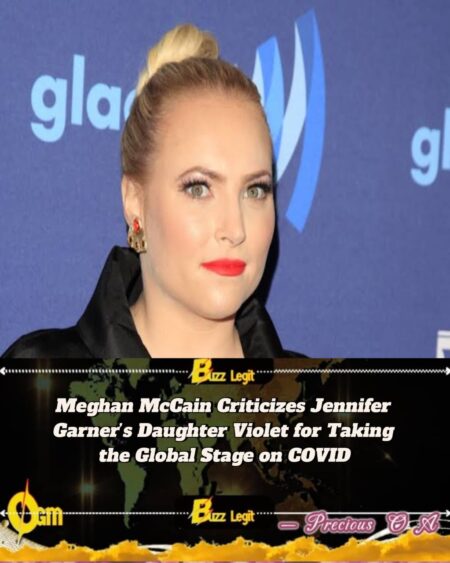
Meghan McCain condemned Violet Affleck’s appearance at the United Nations, where the teenager spoke about the ongoing crisis of long COVID. The 18-year-old daughter of actors Ben Affleck and Jennifer Garner had addressed international delegates, highlighting the struggles of young patients still dealing with lingering effects of the virus. Her words were met with applause in the chamber but quickly drew controversy back home.
Meghan McCain argued that the United Nations should not provide its platform to the children of Hollywood celebrities. In her view, global forums must be reserved for scientists, doctors, and policymakers who bring years of expertise and authority to their testimony. This critique shifted the narrative around Violet’s speech from its message to whether she had the right to speak at all.
Supporters of Violet countered that her personal story gave the issue a face and a voice that numbers alone could not convey. They insisted that long COVID is not an abstract health statistic but a lived reality for millions, including many teenagers. For them, her courage at the UN was both legitimate and necessary.
Meghan McCain’s rebuke sparked a larger national conversation. The question now dominating headlines is whether global institutions should only prioritize credentialed experts or also make room for those whose lives have been directly affected by crises.
Political Undertones and Public Reaction
Meghan McCain’s criticism was framed by analysts as deeply political. COVID-19 has remained one of the most divisive topics in the United States, and her attack on Violet’s speech reflected broader conservative frustrations with how the pandemic has been represented. By emphasizing Violet’s lack of expertise, she echoed sentiments shared by many skeptical of youth activism in global forums.
Meghan McCain also described Violet’s address as a product of “fame by association,” arguing that family name recognition should not substitute for credibility. This view resonated with some who believe global policymaking spaces are increasingly shaped by celebrity influence. However, it also provoked backlash from those who see personal testimony as essential in highlighting the human costs of health crises.
Advocates for Violet argued that her words captured the urgency and emotional burden of long COVID. For patients still struggling with fatigue, cognitive issues, and breathing difficulties, seeing someone their age take the stage at the UN offered validation that their challenges matter. The speech, they said, was not about celebrity but about courage.
Meghan McCain’s comments also underscored the fragile timing of the issue. With President Trump’s administration still facing scrutiny over its pandemic response, even a youth speech at the UN could not escape political undertones. Her intervention ensured that the focus shifted from Violet’s message to the politics of who deserves to speak.
Supporters Rally Behind Violet Affleck
Meghan McCain’s stance provoked immediate backlash from public health leaders and patient advocates. Many defended Violet, insisting that her voice represented the millions still navigating long COVID’s effects. They pointed out that international health discussions benefit when those living with illness are able to share their experiences directly.
Meghan McCain, however, stood firmly by her remarks. In follow-up statements, she reiterated that the UN should not serve as a platform for “celebrity families,” stressing that credibility and expertise must remain the foundation of global policymaking. This doubling down fueled further debate across media and social platforms.
Supporters of Violet drew comparisons to other young activists, including Greta Thunberg, who faced similar criticisms early in her career. They argued that age or family background should not disqualify someone from voicing concerns about an issue that profoundly affects their generation. Violet’s appearance, they said, was an act of advocacy rather than privilege.
Meghan McCain’s intervention had an unintended effect: her criticism amplified Violet’s speech far beyond the UN chamber. What might have been a modest address by a young advocate became a centerpiece of international media coverage. In trying to question her legitimacy, McCain ensured her message would reach a much wider audience.
Meghan McCain’s name, therefore, has become inseparably linked to this episode. By centering the debate on whether Violet belonged at the UN, she transformed the teenager’s remarks into a flashpoint of cultural and political discourse.