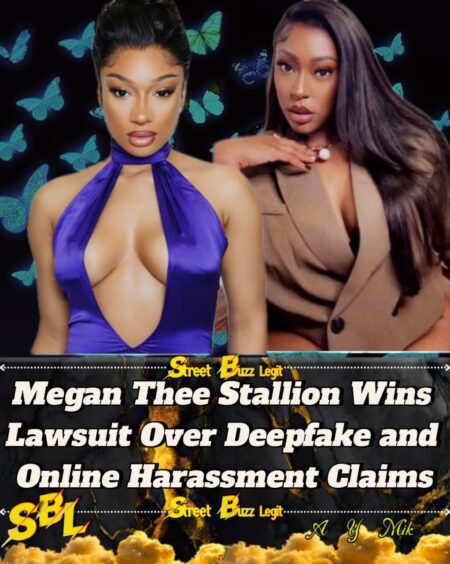
Rapper Megan Thee Stallion has reportedly secured a decisive legal win in her defamation lawsuit against blogger Milagro Gramz, marking a significant moment in the ongoing battle against online harassment, misinformation, and deepfake exploitation. The federal jury’s ruling, which found Gramz liable for defamation and the intentional infliction of emotional distress, brings closure to a case that has drawn nationwide attention across the entertainment industry and digital media landscape.
Filed in 2024 and culminating in a verdict delivered in Miami, the lawsuit centered on a pattern of online commentary and content distribution that Megan Thee Stallion’s legal team argued caused substantial reputational and emotional harm. The court’s decision reinforces the legal boundaries around digital commentary and the responsibilities borne by influential online personalities.
Courtroom Findings and Damages Awarded
Jurors ruled that Milagro Gramz (real name Milagro Cooper) defamed Megan Thee Stallion by spreading false statements and distributing a sexually explicit deepfake video portraying the rapper. This content, which circulated widely across social platforms, was deemed harmful, misleading, and intentionally damaging. The jury also determined that Gramz acted recklessly and maliciously in amplifying narratives about Megan’s character and the widely reported 2020 shooting incident involving Tory Lanez.
The initial financial penalty totaled $75,000 in damages, later adjusted to $59,000 by a U.S. District Judge. Although not a substantial monetary award by celebrity standards, the ruling represents a firm legal repudiation of the type of online behavior at issue.
Testimony and Emotional Impact
Throughout the proceedings, Megan — legal name Megan Pete — testified about the overwhelming emotional distress she endured. She detailed the compounding impact of harassment, misinformation, and the circulation of deepfake content, all of which intensified the trauma she was already navigating from the previously adjudicated shooting case.
Witnesses testified that Gramz acted as a “mouthpiece” for external parties aligned with Lanez, spreading false narratives to undermine Megan Thee Stallion’s credibility. This context strengthened the argument that the blogger’s conduct was neither isolated nor accidental, but part of a broader pattern of targeted misinformation.
Broader Implications for Digital Media and Accountability
Legal analysts have highlighted the case as a significant milestone for establishing accountability in the digital space, especially regarding deepfakes and defamatory online commentary. As manipulated media becomes more common and easier to produce, courts are increasingly confronted with cases that challenge existing precedents in defamation and privacy law.
The ruling signals to bloggers, influencers, and online commentators that high reach comes with heightened responsibility. While freedom of speech remains foundational, the court’s decision underscores that such freedoms do not extend to knowingly spreading falsehoods or harmful synthetic media.
A Turning Point for Victims of Online Harassment
For Megan Thee Stallion, the judgment represents a degree of justice in an intensely public and emotionally taxing chapter of her career. Advocates for online safety and digital rights have praised the outcome, suggesting it may embolden other victims of cyberharassment — particularly women, public figures, and survivors of violence — to pursue legal recourse.
The entertainment industry has also responded, with commentators noting that Megan Thee Stallion’s persistence in navigating legal systems — from the 2020 shooting trial to this defamation case — illustrates the growing challenges artists face in balancing public visibility with personal well-being.