










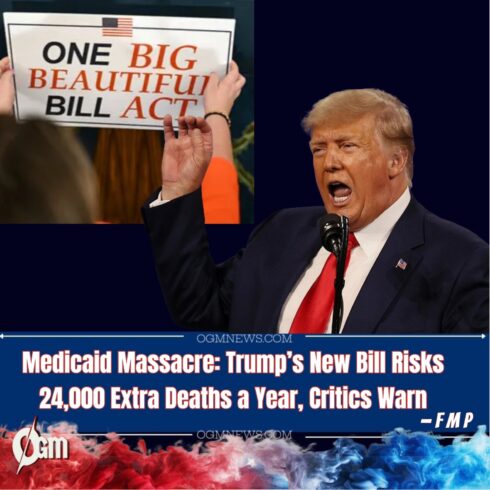
President Trump’s sweeping “One Big Beautiful Bill,” dubbed the “Big Ugly Bill” by critics, is poised to enact some of the deepest cuts to Medicaid in modern U.S. history. Drawing on estimates from the Congressional Budget Office (CBO) and multiple reputable news outlets, the proposed legislation threatens to destabilize healthcare access for millions of low-income Americans while triggering cascading economic and public health consequences nationwide.
Massive Cuts Threaten Medicaid’s Foundation
The Congressional Budget Office estimates the bill would slash over $1 trillion from health-related programs over the next decade, with Medicaid absorbing approximately $930 billion of those reductions. Under the Senate version alone, these deep cuts would drastically reshape the program, shifting the burden onto states and vulnerable populations.
By 2034, nearly 11 million more Americans could be uninsured, reversing progress achieved under the Affordable Care Act (ACA). The rollback of Medicaid expansion and the introduction of more stringent federal caps would strain an already fragile safety net, leaving many without critical coverage.
Stricter Eligibility: New Work Mandates and Verification Hurdles
A defining feature of the bill is the imposition of work requirements on able-bodied adults aged 19–64, mandating at least 80 hours of work, job training, or volunteer service monthly. The Senate version goes even further, extending these requirements to parents of children over 14 years old.
Additionally, eligibility checks would move from annual to biannual reviews, significantly increasing administrative hurdles. New asset tests and home equity caps aim to restrict enrollment further, while the introduction of up to $35 co-pays per visit for those above the poverty line threatens to deter low-income individuals from seeking timely care.
OGMNews.COM
America’s Most Vulnerable on the Chopping Block: Trump’s Medicaid Cuts Spark Outrage
The bill’s tightening of requirements is projected to disqualify millions of low-income adults, including many just above the poverty line. Older adults and individuals with intermittent work histories may struggle to meet the new thresholds, risking sudden loss of coverage despite chronic health needs.
Moreover, transient populations—such as the homeless—face heightened challenges with paperwork and renewal compliance, likely resulting in large-scale disenrollment. Immigrant families and LGBTQ+ individuals, especially transgender people, could lose access to specialized care amid new restrictions and administrative delays.
Community Health Centers and Rural Hospitals in Crisis
Across the country, rural hospitals and community health centers—many of which rely heavily on Medicaid reimbursement—warn they could be forced to close. In New York alone, an estimated 2.4 million people stand to lose Medicaid coverage, placing community clinics and family health centers at risk of severe cuts or shutdowns.
National projections suggest that up to 12 million Americans could lose insurance under the bill, potentially leading to between 8,200 and 24,600 excess deaths annually. The rise in uncompensated care would further strain hospitals, leading to staff layoffs and service reductions that ripple through local economies.
Economic Strain on Families and Local Systems
For the nation’s poorest, the bill represents not just a health crisis but an economic one. Analysts predict the bottom 10% of earners could lose an average of $1,600 annually due to combined Medicaid and supplemental nutrition assistance cuts.
As families absorb higher medical costs and lose preventive care access, local economies—especially in rural and low-income urban areas—would face declining consumer spending and increased public health costs. These financial pressures undermine any proposed federal savings, raising questions about the long-term sustainability of the policy.
Supporters Tout Accountability, Critics Warn of Human Cost
The White House defends the bill, insisting there are “no cuts” to Medicaid but rather a necessary reallocation to eliminate fraud and prioritize the “truly needy.” Advocates argue that work requirements encourage self-sufficiency and help states balance budgets without compromising essential services.
However, critics from across the medical community, advocacy groups, and some state governments warn that these changes overlook real-world barriers and would leave millions vulnerable to preventable illnesses and financial ruin. The sharp divide reflects a broader national debate on the role of government in healthcare and social support.
Communities Face a Grim Outlook
If enacted, Trump’s “One Big Beautiful Bill” promises to fundamentally weaken Medicaid’s safety net. With estimates suggesting 11–17 million people losing coverage, hundreds of hospitals and clinics at risk, and an expected surge in preventable deaths, communities nationwide could face unprecedented health and economic crises.
The bill’s sweeping scope underscores the stakes of the current healthcare policy battle, spotlighting a pivotal moment for America’s commitment to its most vulnerable citizens. As Congress moves closer to a final vote, the nation watches anxiously—aware that the consequences will reverberate for decades.


