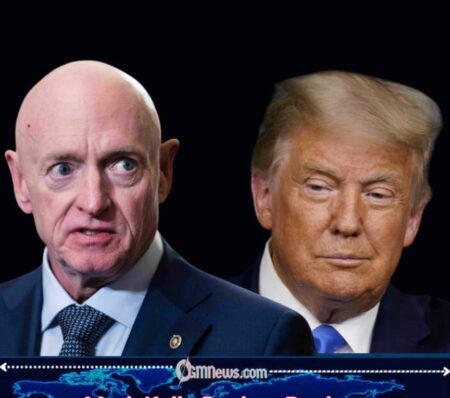
In what he described as a matter of duty rather than politics, Mark Kelly confirmed he will attend the upcoming State of the Union address, even after a recent attempt by federal prosecutors to pursue charges against him. Kelly said his presence would signal that he will not be intimidated from carrying out his constitutional responsibilities, amid tensions with President Donald J. Trump, who is currently serving his second term.
The Arizona Democrat framed his decision as a reaffirmation of institutional norms, emphasizing that elected officials must continue to engage in democratic processes regardless of political disagreements. The development comes at a time of heightened polarization in Washington, with attendance at the State of the Union increasingly viewed as both ceremonial and symbolic.
The Indictment Attempt and Legal Background
The controversy stems from a video released in late 2025 in which Kelly and other lawmakers addressed members of the U.S. military, urging them to uphold the Constitution and reject unlawful orders. The video drew sharp criticism from allies of President Donald Trump, who argued that the remarks were inappropriate and potentially undermined military discipline.
A federal prosecutor subsequently explored the possibility of pursuing charges related to the video. However, according to multiple reports, a grand jury declined to return an indictment. Legal analysts noted that the threshold for criminal prosecution in matters involving political speech is high, particularly when First Amendment protections are implicated.
Court filings and judicial commentary suggested that prosecutors faced significant legal hurdles in demonstrating criminal liability. A judge later ruled that any effort to penalize Kelly through changes to his military rank would violate constitutional safeguards.
Kelly’s Public Response
In public remarks, Mark Kelly stated that the attempted prosecution would not deter him from fulfilling his responsibilities as a senator. He characterized his attendance at the State of the Union as an affirmation of democratic principles rather than a personal rebuke.
Kelly underscored that members of Congress have a constitutional obligation to represent their constituents, regardless of disputes with the executive branch. By attending the address, he said, he intends to demonstrate that institutional participation must continue even amid sharp political disagreement.
The senator’s decision has drawn support from some colleagues who argue that engagement within constitutional frameworks remains essential, particularly during periods of political strain.
Reaction From the White House and Lawmakers
The White House has not formally commented on Kelly’s specific decision to attend, though President Donald Trump has previously criticized lawmakers involved in the military-related video. Administration allies have defended the broader position that national security and chain-of-command integrity are critical concerns.
Within Congress, reactions have been mixed. Some Democratic lawmakers have chosen to boycott the address in protest of administration policies, while others, including Mark Kelly, believe attendance provides an opportunity to underscore policy disagreements directly.
Republican lawmakers have largely focused on policy substance expected in the president’s speech, including economic priorities and national security initiatives, rather than the attendance controversy itself.
The Symbolism of State of the Union Attendance
The State of the Union address serves as a constitutionally mandated communication from the president to Congress, outlining policy goals and national priorities. While attendance by members of Congress is customary, it is not legally required, and lawmakers have occasionally used their presence—or absence—as political messaging.
Political historians note that boycotts or high-profile attendance decisions often reflect broader tensions between the legislative and executive branches. In this instance, Mark Kelly’s decision to attend highlights differing strategies within the opposition on how best to engage the administration’s agenda.
By choosing participation over protest, Kelly appears to be signaling a commitment to institutional continuity while maintaining his policy disagreements with President Donald Trump.
Broader Constitutional Implications
The episode underscores enduring tensions surrounding freedom of speech, prosecutorial discretion, and separation of powers. Legal experts suggest the failed indictment effort may serve as a cautionary example regarding the criminalization of political rhetoric.
As President Donald Trump advances his second-term priorities, disputes between Congress and the executive branch are likely to persist. Kelly’s attendance at the State of the Union reflects not only a personal stance but also a broader debate about how elected officials navigate political conflict within constitutional boundaries.
Whether the moment will ease tensions or deepen partisan divides remains uncertain. What is clear is that questions about institutional norms and constitutional limits continue to shape Washington’s political landscape.