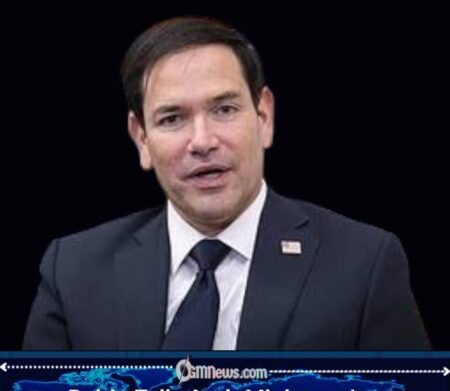
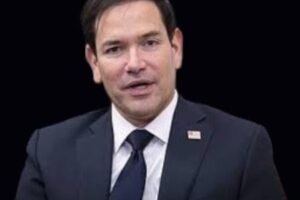






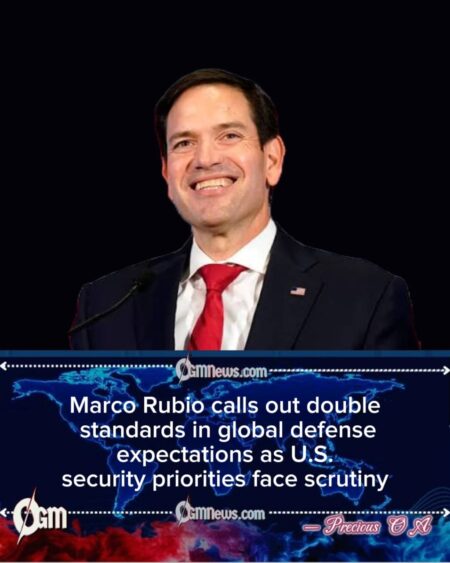
Marco Rubio delivered pointed remarks highlighting what he described as a growing imbalance in how U.S. security commitments are perceived by allies and partners. Speaking in a policy-focused setting, he emphasized that American defense resources are often expected to stretch globally without reciprocal sensitivity to U.S. regional concerns.
The comments reflected longstanding debates within Washington about burden-sharing, deterrence, and the geographic scope of American military responsibility. Lawmakers from both parties have wrestled with how to balance commitments to allies while maintaining clear red lines closer to home.
Marco Rubio framed the issue as one of consistency rather than confrontation, arguing that strategic expectations should apply evenly across regions. His remarks underscored a belief that credibility in foreign policy depends on mutual respect for security boundaries.
Transatlantic Expectations and Military Commitments
European security has long relied on U.S. military capabilities, from missile defense systems to naval deployments. These arrangements, while deeply institutionalized, are periodically revisited as geopolitical conditions evolve and threats shift.
Marco Rubio noted that requests for advanced defensive systems are often justified as necessary deterrents, particularly in light of renewed tensions with rival powers. He suggested that these same standards should inform how other regions assess U.S. defensive postures.
The broader debate centers on whether alliances remain truly reciprocal. Analysts point out that public opinion and political leadership in allied nations play a role in shaping how American actions are received abroad.
Regional Security and the Western Hemisphere
Marco Rubio turned attention to the Western Hemisphere, stressing that proximity matters in strategic calculations. He argued that military assets positioned near U.S. territory inevitably carry different political and security implications than those stationed thousands of miles away.
Regional experts have long warned that instability closer to home can have immediate consequences for trade, migration, and domestic security. These concerns often receive less international attention than conflicts in Europe or the Indo-Pacific.
Marco Rubio maintained that acknowledging these realities is essential for a coherent foreign policy. He suggested that allies should recognize that U.S. sensitivities mirror their own when it comes to military presence near national borders.
Marco Rubio and the Question of Strategic Consistency
The remarks align with a broader push for what many policymakers describe as strategic consistency. This approach calls for applying the same principles of deterrence and sovereignty across different theaters of operation.
Marco Rubio argued that selective outrage undermines alliance cohesion. When partners support certain deployments but object to others, it complicates diplomatic efforts and fuels domestic skepticism about international commitments.
Observers note that this perspective resonates with voters who favor a more balanced approach to global engagement. It also reflects concerns about overextension and the sustainability of U.S. defense spending.
Alliance Politics and Domestic Debate
Marco Rubio placed his comments within the context of ongoing domestic debates about defense priorities. Congress continues to scrutinize funding levels, force posture, and the strategic rationale behind overseas deployments.
Some lawmakers argue that clear communication with allies is essential to prevent misunderstandings. Others believe that firm messaging is necessary to reset expectations that have grown over decades of U.S.-led security guarantees.
Marco Rubio emphasized that transparency benefits all parties, allowing allies to plan responsibly while ensuring American interests are clearly articulated and defended.
Implications for Future U.S. Foreign Policy
Marco Rubio concluded by suggesting that these discussions will shape future diplomatic engagements. As global power dynamics shift, the United States faces increasing pressure to define where and how it will project strength.
Foreign policy specialists note that such statements often signal broader strategic recalibration rather than immediate policy changes. They serve as markers in an ongoing conversation about America’s role in the world.
Marco Rubio reinforced the idea that sustainable alliances depend on mutual understanding. By aligning expectations across regions, he argued, the United States and its partners can maintain stability without sacrificing core security principles.