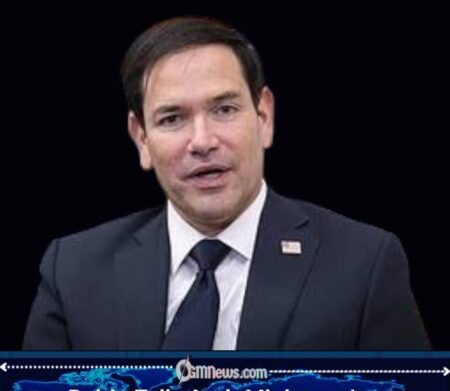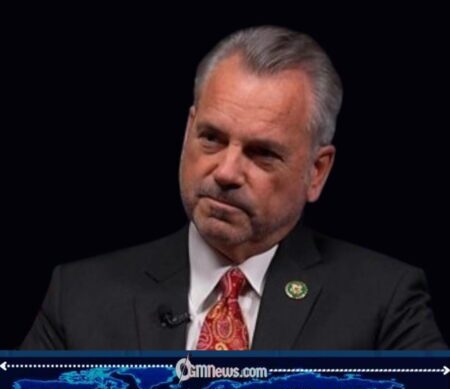










Sen. Lindsey Graham (R‑SC) appeared on Fox News’ Hannity on February 5, 2026, to urge viewers to support his campaign ahead of the upcoming November midterm elections. Graham emphasized the urgency of financial contributions, noting that Republicans are “getting wiped out financially,” and promised that half of the funds raised would be shared with other Republican candidates to help maintain control of the Senate.
2026 Senate Race Context
Lindsey Graham is campaigning for a fifth term in the U.S. Senate representing South Carolina. While he maintains substantial campaign resources compared to some Senate peers, the broader political environment this election year is competitive. Control of the Senate remains a key priority for both major parties, with midterm outcomes expected to shape legislative and judicial agendas.
The senator’s televised appeal comes as part of a broader strategy to maintain Republican influence in Congress. By engaging directly with a national television audience, Graham aims to mobilize small-dollar donations, a tactic increasingly common in modern campaigns.
Fundraising Pressures in Modern Campaigns
Political fundraising has become an essential component of election strategy, even for incumbents. Candidates often raise funds to build grassroots operations, counter strong fundraising networks from the opposing party, and support party-wide resources.
Graham’s appeal for contributions, including amounts as modest as $10 or $20, highlights the role of small-dollar donations in supplementing larger campaign war chests. By sharing a portion of funds with other GOP candidates, he also positions his campaign as part of a collective effort to secure legislative influence.
History of Media-Based Appeals By Lindsey Graham
This is not Graham’s first on-air fundraising appeal. In 2020, he acknowledged being “out‑raised 2‑to‑1” and directed supporters to his campaign website during television appearances. Similarly, in 2023, Graham made televised appeals supporting former President Donald Trump’s campaign efforts on Fox News.
Such strategies underscore a consistent approach: leveraging media exposure to mobilize supporters when facing competitive fundraising circumstances. Observers note that these appeals are often framed as practical campaign guidance rather than partisan rhetoric.
Coverage by Mainstream and Independent Outlets
Independent news outlets have reported Lindsey Graham’s remarks, quoting his direct comments and highlighting the strategic framing of his fundraising pitch. While Reuters has not focused specifically on this Fox News segment, the agency has covered Graham’s recent legislative activity and role in Senate strategy, contextualizing his ongoing political influence.
Digital media platforms repeated Graham’s direct language and emphasized that his appeal occurred during primetime political programming ahead of a midterm election, reflecting broader trends in Republican campaign fundraising.
The Strategic Message From Lindsey Graham
Graham’s pitch focused on maintaining Republican control of the Senate and advancing the party’s judicial agenda. He framed his request as a practical tool for party support rather than a policy-driven plea. By sharing a portion of contributions with other Senate candidates, Graham highlighted a collective approach aimed at strengthening the GOP’s electoral position nationwide.
Observers suggest that such appeals signal the heightened stakes of the 2026 midterms, where even high-profile incumbents are mobilizing all available resources to secure electoral advantage.
Implications for Donors and Voters
The senator’s call for donations underscores the increasing importance of public engagement in election financing. Small-dollar contributions have become a powerful mechanism for campaigns to maintain competitiveness and amplify outreach. For voters, Graham’s televised pitch offers insight into the mechanics of campaign funding and the high-stakes environment of Senate races.
The broadcast appeal also reflects a broader trend in U.S. politics: media platforms are not only venues for policy discussion but also for strategic fundraising efforts that directly influence campaign outcomes.