



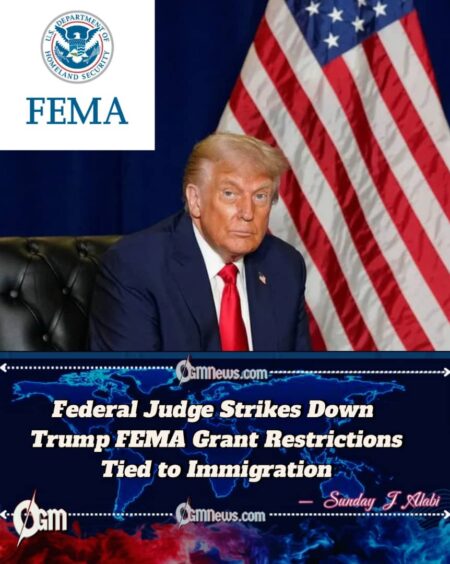
A federal judge in Rhode Island has struck down a Trump administration policy that sought to tie Federal Emergency Management Agency (FEMA) disaster grants to state and local cooperation with immigration authorities. The decision marks a significant setback for the Trump administration’s broader effort to pressure so-called “sanctuary” jurisdictions into assisting federal immigration enforcement.
U.S. District Judge William Smith ruled Wednesday that the Department of Homeland Security’s (DHS) conditions were unconstitutional and “arbitrary and capricious.” His ruling came in response to a lawsuit filed by 20 states, including California, New York, and Illinois, which argued that withholding critical disaster relief funds would jeopardize public safety and violate constitutional protections.
Smith emphasized the stakes in his 45-page opinion, noting that “the effect of the loss of emergency and disaster funds cannot be recovered later, and the downstream effect on disaster response and public safety are real and not compensable.”
States Challenge Federal Pressure on “Sanctuary” Laws
The lawsuit stemmed from a DHS directive earlier this year that conditioned FEMA grants on compliance with federal immigration requests, including detainer notices and information-sharing with U.S. Immigration and Customs Enforcement. Several of the plaintiff states have enacted laws restricting such cooperation, arguing that mandatory compliance would erode trust between immigrant communities and local law enforcement.
New York Attorney General Letitia James welcomed the ruling, saying the court had reaffirmed that “the federal government cannot prioritize its cruel immigration agenda over Americans’ safety.” States had contended that the Trump administration’s policy risked depriving them of billions in life-saving disaster aid each year.
The Trump administration countered that many grants at issue would not ultimately be conditioned on immigration enforcement, and argued that the lawsuit had become moot. The judge disagreed, finding the Trump administration’s assurances incomplete and inconsistent.
Trump Administration Signals Likely Appeal
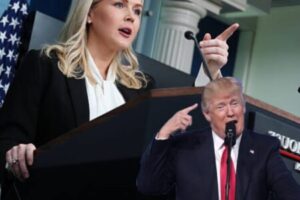
The ruling is expected to be appealed, as President Trump and his administration continue pressing agencies to restrict federal funding for jurisdictions that limit cooperation with immigration authorities. DHS Assistant Secretary Tricia McLaughlin criticized the decision, asserting that “cities and states that break the law and prevent us from arresting criminal illegal aliens should not receive federal funding.”
Within hours of beginning his second term in January, President Trump signed an executive order directing federal agencies to deny funding to sanctuary jurisdictions. Multiple agencies, including the Department of Justice and the Department of Housing and Urban Development, have since attempted to implement restrictions. Several of those moves have been halted in separate lawsuits.
The debate over linking federal funds to immigration enforcement is expected to remain a central flashpoint as the Trump administration pursues its broader immigration agenda.