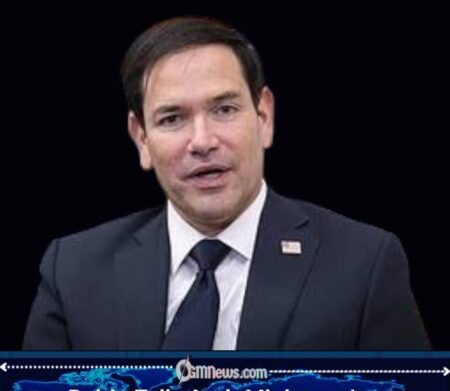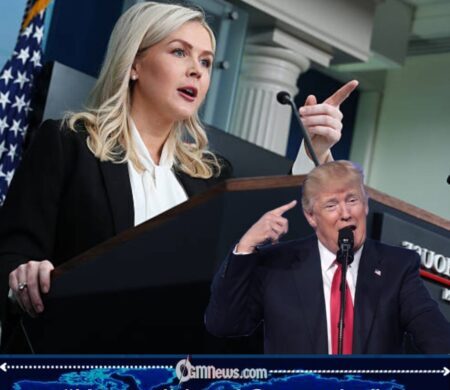








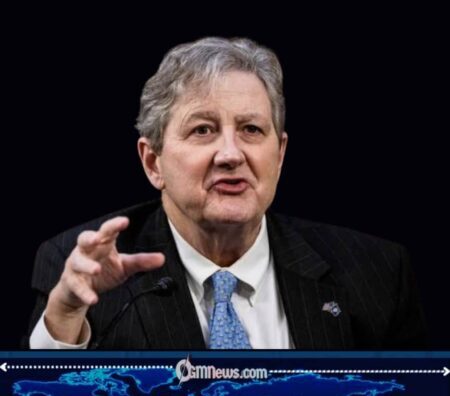
John Kennedy has mounted a forceful defense of presidential tariff authority following the recent Supreme Court ruling that curtailed aspects of executive trade powers. Drawing on arguments raised during oral hearings, Kennedy contends that the decision was predictable and that its practical impact on existing trade agreements will be minimal. He emphasized that tariffs served as a negotiating tool rather than an end in themselves, enabling the United States to secure concessions from major global partners.
Kennedy’s remarks come amid heightened debate over the scope of executive authority in trade policy. Supporters of the ruling argue it restores constitutional balance, while critics warn it may weaken U.S. leverage in future negotiations. Kennedy firmly aligns with the latter camp, asserting that the agreements reached under presidential tariff authority are durable and unlikely to be reversed.
Supreme Court Decision and Constitutional Boundaries
The recent ruling by the Supreme Court of the United States examined the limits of executive power in imposing tariffs without explicit congressional approval. Legal analysts note that the decision reflects longstanding tensions between the legislative branch’s constitutional authority over commerce and the executive branch’s role in foreign policy and national security.
While the Court’s decision restricts future unilateral tariff actions, it does not automatically invalidate agreements negotiated under previous authorities. Constitutional scholars cited by outlets such as The New York Times and Reuters emphasize that trade deals are complex, multi-layered arrangements involving statutory frameworks, diplomatic commitments, and private-sector adjustments that cannot be easily unwound.
Trump’s Second-Term Trade Strategy and Global Agreements
During his second term, Donald Trump leveraged tariff threats and measures to push for revised trade terms with key partners. According to reporting from The Wall Street Journal and Financial Times, negotiations with India, Japan, South Korea, and European counterparts were shaped by the possibility of sustained U.S. tariffs on strategic sectors such as steel, automobiles, and technology components.
Administration officials argued that tariffs created urgency at the negotiating table, compelling partners to address market access barriers, intellectual property protections, and subsidy practices. Critics, however, warned that the strategy risked retaliation and supply chain disruptions, concerns echoed by the U.S. Chamber of Commerce and several multinational manufacturers.
Durability of Trade Agreements with Major Economies
Kennedy asserted that countries such as India, Japan, South Korea, and members of the European Union are unlikely to rescind negotiated agreements. Trade experts quoted by Bloomberg and Reuters support this view, noting that once agreements are embedded in regulatory systems and corporate planning, reversal becomes economically and politically costly.
For example, adjustments in tariff schedules, investment flows, and supply chain configurations often require years of planning and billions of dollars in capital. Reversing such changes could destabilize industries and erode investor confidence, making continuity the more pragmatic path for all parties involved.
Economic and Diplomatic Implications
Economists remain divided on the long-term implications of tariff-driven negotiations. Some argue the approach strengthened U.S. bargaining power, while others contend it strained alliances and introduced uncertainty into global markets. Reports from The Economist highlight that allies were sometimes compelled to negotiate under pressure, potentially affecting diplomatic trust.
Nonetheless, Kennedy and like-minded policymakers maintain that the results speak for themselves: revised agreements, increased commitments to U.S. exports, and heightened attention to trade imbalances. Whether these gains outweigh the diplomatic costs remains a central question in ongoing policy debates.
Congressional Authority vs. Executive Flexibility
The ruling has reignited debate over the balance between congressional oversight and executive flexibility in trade policy. Lawmakers from both parties have proposed legislation to clarify tariff authority, aiming to prevent future legal ambiguity while preserving the president’s ability to respond swiftly to unfair trade practices.
Policy experts suggest that a collaborative framework—where Congress sets clear parameters and the executive retains tactical flexibility—may emerge as a compromise. Such an approach could reduce litigation risks while maintaining U.S. competitiveness in fast-moving global trade environments.
Outlook: Future Trade Negotiations After the Filing
Looking ahead, analysts expect future administrations to rely more heavily on multilateral frameworks and congressionally approved mechanisms. While the ruling narrows unilateral options, it does not eliminate the use of tariffs altogether; rather, it requires a more structured legal basis.
Kennedy’s central argument that existing agreements will endure appears consistent with historical precedent. Trade arrangements rarely unravel overnight, and the interconnected nature of modern economies makes abrupt reversals unlikely. The broader challenge will be defining a sustainable balance between legal constraints and strategic flexibility in U.S. trade policy.