








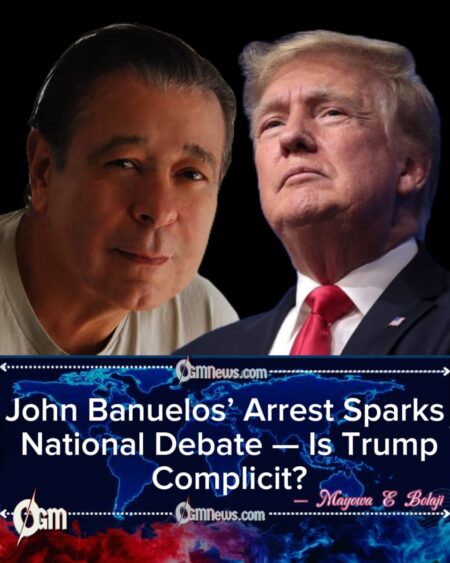
John Banuelos, the man infamously involved in the January 6th Capitol attack, has been arrested once again, this time for aggravated kidnapping and sexual assault. Banuelos previously received a presidential pardon from Donald Trump, which allowed him to evade full accountability for his participation in one of the darkest days in modern U.S. history. Legal experts and political analysts are now questioning the ethical and legal ramifications of pardons for individuals who continue to engage in criminal activity.
The arrest reignites debate over whether presidential pardons should come with safeguards to prevent individuals from repeating offenses. Critics argue that pardoning Banuelos sent a dangerous signal: that criminal behavior, including violent political insurrection, could be excused without consequence. Victims’ advocates and lawmakers are calling on Congress to investigate the potential link between Trump’s pardons and the continued crimes committed by his pardoned associates.
Public outrage has intensified on social media, where users are connecting Banuelos’ latest crimes to the broader narrative of MAGA loyalists acting with impunity. Hashtags such as #TrumpPardons #JohnBanuelos #CapitolAttack #AccountabilityNow are trending as Americans grapple with the question of whether presidential authority has been misused to protect dangerous individuals.
Trump Pardons Under Fire — Legal and Ethical Implications
Legal scholars have highlighted that pardons are intended to offer clemency for past actions, not shield individuals from future criminal behavior. John Banuelos’ arrest underscores a loophole in presidential pardons: while the Constitution allows the president broad clemency powers, it does not protect the public from the actions of pardoned individuals afterward. This raises urgent questions about whether Trump’s pardon decisions were motivated by political loyalty rather than public safety.
Some lawmakers have suggested that Congress consider legislation to limit the ability of pardoned criminals to exploit loopholes that enable repeated offenses. Analysts argue that pardons like Banuelos’ could erode trust in the justice system, demonstrating that political connections can grant immunity from accountability. For victims of Banuelos’ crimes and the wider American public, the arrest is a chilling reminder of what can happen when accountability is sidelined.
Trump defenders continue to argue that pardons are legal and within the president’s constitutional rights, emphasizing that the responsibility for future crimes lies with the individual, not the office that issued clemency. Yet, the optics are undeniably damaging, as Banuelos’ criminal history includes violent offenses directly connected to Trump’s political sphere, raising ethical questions that resonate far beyond the courtroom.
Public Reaction and Political Fallout — Will Trump Face Scrutiny?
The arrest of John Banuelos has triggered a firestorm of public debate, with critics claiming that Trump bears moral and political responsibility for enabling a criminal with a history of violence and extremism. Social media campaigns, opinion pieces, and televised discussions are framing the issue as emblematic of the dangers of unrestrained presidential pardons. Many argue that the public deserves accountability not just for the crimes themselves but for the systems that allowed them to happen.
Political analysts predict that Banuelos’ arrest could become a focal point in the 2026 midterms and ongoing investigations into Trump-era pardons. Questions are being raised in Congress and among investigative journalists about whether pardons for January 6th participants were part of a broader effort to protect allies from legal consequences. This scrutiny is likely to continue as public pressure grows for transparency and legislative oversight.
For victims and Americans concerned with justice, the situation underscores a troubling dynamic: powerful individuals may leverage political connections to evade accountability while continuing to harm society. John Banuelos’ arrest is not just a legal story — it is a moral and political reckoning that forces a national conversation about presidential power, responsibility, and the limits of clemency.