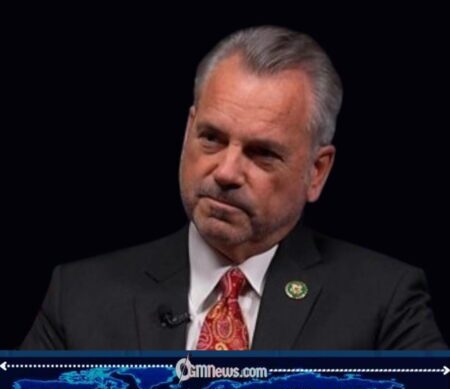










For survivors of Jeffrey Epstein’s abuse network, justice remains incomplete as several key documents linked to the disgraced financier continue to be withheld by the U.S. Department of Justice (DOJ).
Survivor advocates argue that these records are essential to understanding the full scope of Epstein’s crimes, the systems that failed to stop him earlier, and the network of individuals who enabled his activities. The renewed demands have placed fresh pressure on federal authorities to balance legal protections with transparency and accountability.
Jeffrey Epstein and Survivors’ Demand for Disclosure
Jeffrey Epstein’s victims and their legal representatives insist that access to all remaining records is central to long-delayed accountability. They argue that the withheld documents may contain information capable of corroborating survivor testimonies and clarifying how Epstein maintained influence despite repeated allegations.
Survivors maintain that disclosure is not about public spectacle but about recognition and validation. Many say full transparency would acknowledge the scale of harm caused and affirm that institutions are willing to confront uncomfortable truths.
Jeffrey Epstein and the DOJ’s Justification for Withholding Records
Jeffrey Epstein-related documents, according to the DOJ, remain sealed due to legal constraints, privacy considerations, and longstanding disclosure rules.
Officials argue that some materials involve sensitive information that could affect third parties or violate legal protections. Critics counter that the DOJ has not provided sufficient clarity about why redaction or partial release is inadequate. This lack of detailed explanation has fueled mistrust among survivors and advocacy groups who believe transparency can coexist with legal safeguards.
Jeffrey Epstein and the Content of the Withheld Files
Jeffrey Epstein case files believed to be withheld may include investigative reports, correspondence, and internal assessments tied to his associates and financial dealings. Survivor advocates suggest these materials could illuminate how Epstein’s operations persisted over time.
Legal analysts caution that not all documents would necessarily reveal new facts. However, they acknowledge that even limited disclosures could help establish a clearer historical record and address unresolved questions surrounding institutional responses.
Jeffrey Epstein and the Broader Transparency Debate
Jeffrey case has become a focal point in the broader debate over transparency in high-profile criminal matters. Advocates argue that secrecy in such cases undermines public confidence in the justice system, especially when crimes involve vulnerable victims.
Others emphasize the importance of maintaining legal standards designed to protect due process and privacy. The challenge, they say, lies in ensuring these protections do not become barriers to accountability once criminal proceedings have concluded.
Jeffrey and Political Oversight Pressures
Jeffrey related disclosures are now part of a wider discussion on federal oversight. Under the current administration, led by President Trump serving a second term, lawmakers have signaled interest in reviewing how sensitive cases are managed after prosecution ends.
Some legislators are considering oversight hearings or legislative clarification on disclosure standards. Whether these efforts advance may depend on judicial rulings and the DOJ’s willingness to engage more openly with survivor concerns.
Jeffrey Epstein and the Path Forward for Survivors
Jeffrey survivors and their advocates say they will continue pursuing lawful avenues for access, including court actions and engagement with Congress.
They stress that transparency is essential not only for justice but also for institutional reform.
As pressure builds, the outcome of this dispute may shape future expectations around disclosure in cases involving powerful figures and systemic failures.