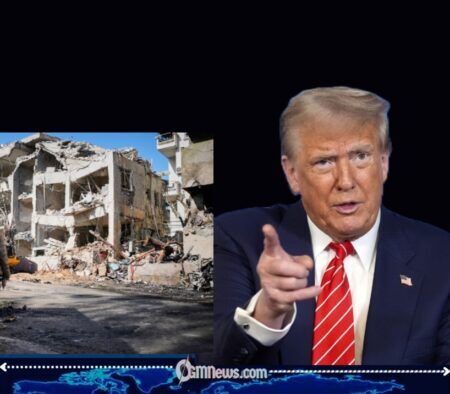






President Donald Trump, serving a second term as President of the United States, has recently addressed concerns over rising gas prices, highlighting his administration’s energy policies as a strategic effort toward long-term U.S. energy independence. Speaking at a North Carolina economic event, the President emphasized the nation’s need to rely on domestic energy production while asserting that his policies have positioned the country for “energy dominance” despite recent international disruptions. Analysts note that the administration faces complex challenges as geopolitical tensions and market volatility affect fuel prices nationwide.
Trump Highlights Energy Independence Goals
President Trump opened his remarks by reiterating the administration’s commitment to U.S. energy independence. He outlined policies designed to increase domestic oil and gas production, reduce reliance on foreign energy, and promote infrastructure projects aimed at long-term stability.
According to the administration, these initiatives have contributed to a historically high level of domestic production, which provides a buffer against global market shocks.
Energy industry stakeholders have generally praised these efforts, though economists caution that external factors such as international conflicts can undermine short-term price stability.
Trump also underscored the importance of supporting domestic energy industries for economic growth and job creation, framing energy policy as a cornerstone of broader economic strategy.
Gas Prices and Market Volatility
While Trump emphasizes domestic energy achievements, recent spikes in gas prices have drawn public attention. Analysts point to a combination of international tensions, including conflicts affecting critical oil transit routes, as well as supply-demand imbalances that contribute to volatility in global oil markets.
The administration maintains that short-term price fluctuations do not negate the long-term benefits of energy independence. A recent White House briefing noted that strategic petroleum reserves have been deployed to stabilize domestic fuel prices when necessary, highlighting a proactive approach to mitigating market shocks.
Economists caution, however, that geopolitical events can create unpredictability beyond the control of any administration, emphasizing the need for both domestic production and international diplomatic engagement.
Geopolitical Impacts on U.S. Energy
President Trump’s administration has faced challenges from rising tensions in key oil-producing regions, which have contributed to fluctuating fuel costs. These include maritime incidents affecting critical shipping lanes and regional conflicts impacting supply chains.
The administration asserts that U.S. energy policies mitigate dependence on foreign oil, allowing greater flexibility in responding to these disruptions. Officials emphasize that maintaining robust domestic reserves and infrastructure is essential to sustaining national energy security.
Industry experts note that while geopolitical events often dictate short-term price trends, strategic energy planning provides long-term resilience, a principle central to Trump’s energy agenda.
Legislative and Regulatory Initiatives
To support energy goals, President Trump has pursued legislative and regulatory measures aimed at encouraging domestic production. These include streamlining permitting processes, reducing regulatory burdens, and incentivizing private sector investment in energy infrastructure.
Administration officials argue that these actions enhance competitiveness and reduce reliance on imports, reinforcing the broader strategy of energy self-sufficiency. Critics, however, raise concerns about environmental oversight and the potential impact of deregulation on sustainability efforts.
The administration maintains that energy development and environmental responsibility can coexist, highlighting technological innovations and safety standards designed to minimize ecological impact while expanding production capacity.
Public Perception and Political Debate
Public reaction to rising gas prices and energy policy has been mixed. Supporters of President Trump emphasize long-term benefits and argue that his policies have insulated the U.S. from greater international market disruptions. Critics, however, argue that short-term price increases disproportionately affect consumers and suggest that more immediate measures are necessary to ease economic pressures.
Political analysts note that energy policy remains a focal point in national debate, with implications for both domestic politics and international relations. Trump’s ability to frame rising gas prices as a function of global events rather than policy shortcomings reflects a broader communications strategy intended to highlight his administration’s achievements.
The President continues to engage in public outreach and economic tours, reinforcing messaging on energy independence and positioning his administration as proactive in addressing both market and geopolitical challenges.
Energy Policy and Economic Stability
As President Trump’s second term progresses, energy policy is expected to remain a central pillar of economic strategy. Administration officials highlight the importance of balancing domestic production, market responsiveness, and strategic reserves to ensure both short-term affordability and long-term sustainability.
Analysts anticipate continued public scrutiny, particularly as global events influence fuel prices and consumer sentiment. The administration’s approach emphasizes resilience, emphasizing that domestic energy dominance provides the U.S. with strategic leverage in both economic and geopolitical arenas.
With continued international uncertainty, the administration faces the dual challenge of maintaining public confidence while navigating the complex dynamics of the global energy market.