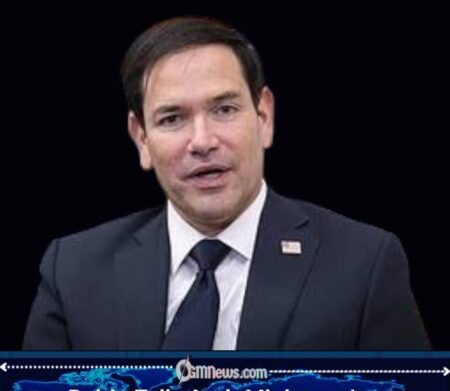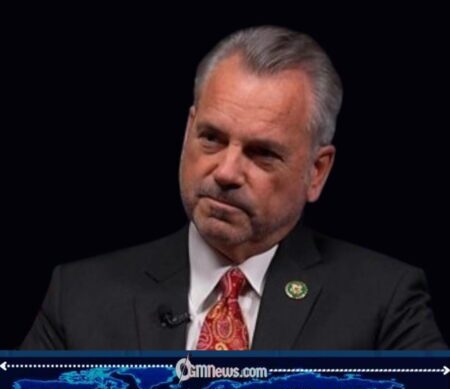






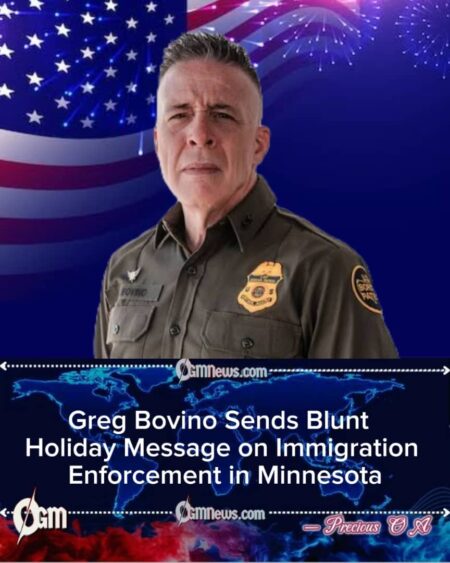
Greg Bovino used his holiday greeting to emphasize what he described as a renewed enforcement posture toward individuals in Minnesota who lack legal immigration status. His remarks included celebratory language about removals and border enforcement, which he framed as part of broader national security and immigration integrity efforts.
Greg Bovino referenced Somalia and immigrant communities in his statement, language that some interpreted as targeting specific populations. While supporters viewed his comments as a firm stance on border control, critics described them as unnecessarily inflammatory and culturally insensitive.
The message spread rapidly across social media platforms, where it became the subject of partisan debate, with many users amplifying or condemning the wording depending on their political views.
Political Reactions in Minnesota
Greg Bovino soon found himself at the center of a political storm, particularly among Minnesota lawmakers and advocacy groups. Several Democratic officials criticized the remarks, saying they risked heightening community tensions and undermining trust between immigrant communities and law enforcement agencies.
Republican lawmakers, however, largely defended the border commander, arguing that he was simply voicing frustration over what they view as federal inaction and inconsistent immigration enforcement.
Community leaders across Minnesota urged calm, stressing the importance of maintaining civil discourse while addressing policy differences through legislation rather than personal or cultural rhetoric.
Federal and State Enforcement Context
Greg Bovino operates within a broader federal enforcement framework that has been undergoing shifts in priorities and public messaging. Immigration authorities nationwide have increased communication about enforcement actions, particularly as migration patterns and border pressures continue to dominate national politics.
State officials in Minnesota have repeatedly emphasized their focus on community policing and public safety, attempting to balance cooperation with federal agencies while protecting local relationships.
Legal experts note that while border officials can discuss enforcement priorities, rhetoric that appears to single out communities can create complications for ongoing law-enforcement partnerships.
Community and Advocacy Group Response
Greg Bovino drew criticism from immigrant advocacy organizations that said his message could discourage vulnerable individuals from cooperating with police, seeking healthcare, or reporting crimes. They argue that strong language can create fear even among legally present residents.
Faith leaders and nonprofit organizations called for renewed dialogue between authorities and community representatives, urging officials to separate enforcement policy from personal or cultural commentary.
Some civil rights groups have begun monitoring whether the language used in official communications could potentially violate agency guidelines on professionalism and nondiscrimination.
Public Opinion and Media Debate
Greg Bovino became a frequent topic on talk shows, podcasts, and online news platforms, where commentators debated whether his remarks were an example of transparency or a departure from professional norms.
Supporters argue that blunt language reflects public frustration over illegal immigration and is necessary to maintain credibility with voters who prioritize border security.
Opponents counter that officials carry added responsibility to communicate with restraint, especially during culturally significant periods such as religious holidays.
What Happens Next
Greg Bovino has not formally retracted his statement, though officials familiar with internal discussions say communication policies may be reviewed following the backlash.
State leaders are expected to continue pressing for clearer coordination between Minnesota agencies and federal immigration authorities, particularly as election-year politics intensify.
As immigration remains one of the nation’s most polarizing issues, the episode underscores how quickly individual remarks can escalate into major political flashpoints, shaping public trust and influencing policy conversations far beyond a single holiday message.