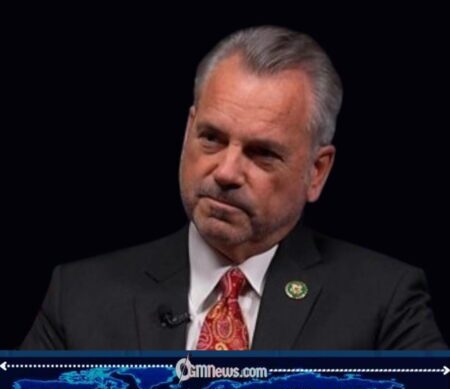










Governor Greg Abbott has signed into law a landmark measure designed to safeguard families from future flood-related disasters. The law, unveiled in Austin on Thursday, bars summer camps and recreational facilities from constructing or maintaining cabins in designated flood plains. The move follows the devastating July floods that swept across central and eastern Texas, killing more than 130 people and leaving dozens of families shattered.
Greg Abbott described the law as a “necessary and urgent step” to protect the lives of children and vulnerable communities. Standing with survivors and grieving families, he said the tragedy demanded swift and decisive action, and Texans could not afford a repeat of the nightmare.
A Law Born from Tragedy
Greg Abbott pointed to the July catastrophe as the driving force behind the legislation. Torrential rains overwhelmed rivers and creeks, causing a surge of floodwaters that engulfed homes, businesses, and summer camps. Several cabins, located in low-lying flood plains, were destroyed within minutes, trapping children and staff inside with little chance to escape.
Officials acknowledged that many of those deaths could have been prevented if stricter building regulations had been in place. Lawmakers and emergency planners had long warned of the dangers of building in flood-prone areas, but those warnings were too often ignored until tragedy struck.
What the New Legislation Says
Greg Abbott’s signature now enforces a statewide ban on cabins, dormitories, and housing structures for summer camps within FEMA-designated flood plains. Existing camps in those areas must relocate or shut down within 18 months.
Violations will attract significant penalties. Camps that fail to relocate face fines of up to $250,000, as well as possible revocation of licenses. The law also establishes mandatory annual inspections of campsites, ensuring that operators adhere to weather safety standards and evacuation protocols.
Abbott’s Commitment to Safety
Greg Abbott called the law a “promise to parents” that their children’s safety will always come first. “Never again should sending a child to summer camp be a decision that puts lives at risk,” he said during the signing ceremony.
The governor emphasized that the law is not merely about punishment but about prevention—creating a culture of preparedness in a state increasingly exposed to extreme weather. He reminded Texans that the legislation forms part of a broader resilience strategy, which includes investments in flood control projects and early-warning systems.
Reaction from Camp Operators and Parents
Many parents welcomed the legislation as overdue. “This is the reassurance we needed,” said Maria Hernandez of Houston. “My kids love camp, but I could not imagine sending them back unless changes like this were made.”
Camp operators, however, voiced mixed reactions. Larger camp associations supported the bill, but smaller independent camps worry about the financial strain of relocating. Some have appealed for state assistance, noting that moving entire facilities out of flood plains is a costly and complex process.
Expert Opinions on Flood Preparedness
Greg Abbott’s initiative has been praised by experts in hydrology and climate science. Specialists say that restricting housing in flood plains is one of the simplest and most effective steps a government can take to reduce loss of life.
Dr. Steven Miller of Texas A&M described the law as “a textbook example of risk reduction.” He added: “Flood plains will flood—it’s not a matter of if, but when. Removing vulnerable structures from those areas is common sense and overdue.”
Federal and National Attention
Greg Abbott’s leadership has drawn praise beyond Texas. President Donald Trump commended the governor’s decisive action, calling the new law “a model that other states should follow.” Trump promised federal support to ensure Texas has the resources to enforce the legislation and strengthen disaster preparedness.
Several lawmakers in Congress are now drafting similar proposals for federal lands used for youth camps and recreational programs. Texas, through Abbott’s direction, has influenced the national conversation on disaster prevention.
Looking Ahead: Implementation and Enforcement
Greg Abbott has tasked the Texas Department of State Health Services with overseeing the law’s implementation. Officials will begin mapping all camps currently in violation and working with owners to create relocation plans. Camps will also be provided with state-issued guidelines for flood safety, evacuation planning, and weather alerts.
The governor stressed that enforcement will be firm but fair. Camps will be given a window of opportunity to comply, but excuses will not be tolerated. “The cost of inaction is counted in lives,” Abbott said. “And Texans know we cannot afford another July.”
A Turning Point for Texas Communities
Greg Abbott emphasized that while no law can erase grief, this legislation ensures that tragedy becomes a catalyst for reform. “The greatest tribute we can pay to those we lost is to make sure it never happens again,” he said.
For families who lost loved ones, the legislation represents both closure and hope. Vigils across the state honored the memory of the flood victims, with parents and community leaders expressing relief that their pain had prompted lasting change. For Texas communities still rebuilding, the law offers a measure of closure and hope for safer summers ahead.