




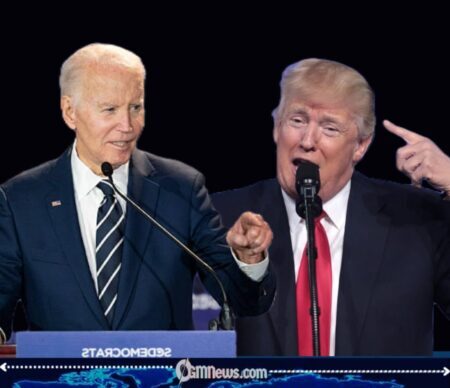
Former President Joe Biden declared on Friday that he left behind a secure southern border and what he described as “the strongest economy in the world” when he transferred power to President Donald Trump, who is currently serving a second term in office. Speaking in South Carolina, Biden defended his administration’s record and framed the transition as one marked by institutional stability and economic resilience.
Addressing supporters at a public event in the state, the former president said his administration’s policies on border enforcement and economic growth laid a solid foundation for his successor. His remarks come amid renewed debate over immigration enforcement, inflation trends, and the broader trajectory of the U.S. economy under the current administration.
Defense of Border Policy
Biden asserted that his administration strengthened border management systems and invested in enforcement resources during his tenure. He argued that reforms implemented over four years improved coordination between federal agencies and regional authorities along the U.S.–Mexico boundary.
According to Biden, the administration worked to balance enforcement with humanitarian considerations, citing expanded asylum processing systems and updated screening protocols. He maintained that the infrastructure and personnel levels at the border were stronger at the time of transition than in previous years.
The remarks contrast with criticisms from Republican lawmakers who had frequently accused his administration of weakening immigration controls. Biden’s comments signal an effort to reframe the debate over border security in light of current policy discussions.
Economic Record and Growth Claims
In his speech, Biden emphasized economic metrics that he said underscored his administration’s performance, including job creation figures, GDP growth rates, and post-pandemic recovery trends. He characterized the U.S. economy at the time of the handover as globally competitive and structurally sound.
“The strongest economy in the world” was how he described the state of national finances and employment during the transition. Biden pointed to declining unemployment rates and investments in infrastructure and clean energy initiatives as evidence of sustained growth.
Economists remain divided on how to interpret broader trends across administrations, noting that economic cycles often span multiple presidential terms. However, Biden’s framing seeks to cement his legacy as one of recovery and expansion following the disruptions caused by the COVID-19 pandemic.
Political Context of the Remarks
The speech in South Carolina, an early primary state with symbolic political importance, signals Biden’s continued engagement in public discourse even after leaving office. While he has not indicated plans to seek office again, his statements suggest an intention to defend his policy record as debates intensify nationally.
President Trump, now serving his second term, has pursued a policy agenda that includes revisions to immigration enforcement strategies and adjustments to economic regulations. Biden’s comments appeared designed to draw a contrast between his administration’s priorities and those currently in place.
Political analysts say such interventions from former presidents are not uncommon, particularly when their legacies become central to contemporary policy disputes.
Response from the White House and Lawmakers
As of Friday evening, the White House had not issued an immediate response to Biden’s remarks. Lawmakers from both parties, however, weighed in through public statements and social media posts, reflecting the partisan divide over assessments of recent history.
Some Democratic leaders echoed Biden’s characterization of economic strength at the time of transition, citing data points from late in his administration. Meanwhile, several Republican officials challenged his assertions on border security, pointing to enforcement statistics and migrant encounter figures during his presidency.
The exchange underscores how competing narratives over recent years continue to shape legislative debates and voter perceptions.
Broader Implications for National Debate
Biden’s speech highlights enduring disagreements over how to measure economic strength and border security effectiveness. While administrations often claim credit for favorable trends, the reality typically reflects a combination of policy decisions, global conditions, and institutional continuity.
As President Trump advances his second-term agenda, the contrast drawn by his predecessor may influence public interpretation of current outcomes. Observers note that retrospective assessments often play a significant role in shaping historical reputations.
For now, Biden’s remarks serve as a reminder that the transition of power remains not only a constitutional milestone but also a contested chapter in America’s evolving political narrative.