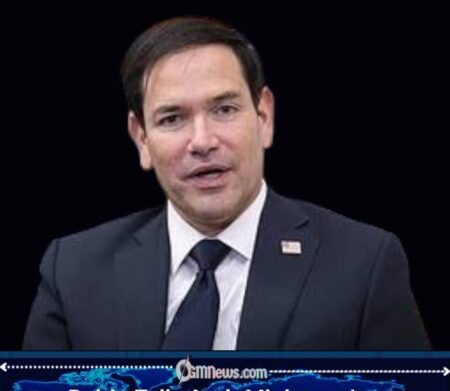










Geoff Duncan, Georgia’s former Republican lieutenant governor who endorsed Vice President Kamala Harris in the 2024 election and formally joined the Democratic Party earlier this year, is now openly considering a run for governor in 2026.
Geoff Duncan told Atlanta News First political reporter Doug Reardon that, “We’re thinking about it… I’m going to be honest and authentic, and certainly I’m going to be a more moderate individual than probably other folks that are going to run for governor in 2026, if that’s a decision we make.” His comments immediately stirred speculation about his role in shaping the state’s future political contests.
A Republican Past, a Democratic Future
Geoff Duncan previously served as lieutenant governor of Georgia from 2019 to 2023, carving out a reputation as a pragmatic Republican with an independent streak. His tenure was often marked by criticism of hyper-partisanship within his party.
Geoff Duncan’s endorsement of Harris over President Trump in 2024 marked a defining shift in his career, attracting backlash from Republicans and tentative interest from Democrats. By officially crossing over, he positioned himself as a centrist aiming to bridge ideological divides.
Georgia’s Shifting Political Ground
Geoff Duncan’s potential candidacy comes at a time when Georgia is widely regarded as a premier battleground state. Recent presidential elections have revealed razor-thin margins and intense partisan competition, elevating the state’s national profile.
Geoff Duncan could appeal to moderates, suburban voters, and independents who have proven decisive in Georgia’s elections. Still, his path to the Democratic nomination may be complicated by skepticism from party loyalists wary of his Republican roots.
Democrats Weigh Opportunity and Risk
Geoff Duncan offers Democrats a unique opportunity to expand their reach beyond their traditional base, especially in suburban Atlanta, where demographic shifts have benefited the party.
Geoff Duncan’s recent entry into Democratic politics, however, raises questions for progressives who may challenge his commitment to liberal policy priorities. His candidacy could spark internal debates about whether Democrats should embrace moderates or double down on progressive strength.
Republican Response to a Defector
Geoff Duncan’s move has been met with scorn by many Republicans who dismiss his chances as a Democrat. Critics within the GOP have labeled his decision opportunistic, arguing that his credibility with conservative voters evaporated once he endorsed Harris.
Geoff Duncan nevertheless symbolizes the internal fractures of the Republican Party. His departure underscores the tension between Trump-aligned conservatives and moderates who feel alienated by the party’s current direction.
The Harris Factor in Duncan’s Rise
Geoff Duncan’s endorsement of Vice President Harris in 2024 gave him national visibility as one of the few prominent Republicans to openly defy Trump. That move not only redefined his political identity but also brought him into Democratic circles.
Geoff Duncan may benefit from Harris’s network if he enters the 2026 race, gaining access to fundraising opportunities and national support. Yet visible ties to the White House could also expose him to Republican attacks portraying him as an establishment figure rather than an independent-minded candidate.
Looking Ahead to 2026
Geoff Duncan has deliberately left his decision open-ended, emphasizing authenticity while acknowledging growing speculation about his future. His potential run ensures that Georgia’s 2026 gubernatorial contest will be a nationally watched event.
Geoff Duncan could test whether a centrist candidate with roots in both parties can succeed in today’s polarized climate. For voters in Georgia, his candidacy may ultimately pose the question of whether moderation can prevail in a state defined by fierce political competition.