








Minnesota authorities have accused the Federal Bureau of Investigation (FBI) of refusing to share evidence related to the fatal shooting of Alex Pretti, a Department of Veterans Affairs nurse killed during a federal immigration operation in Minneapolis. The development has deepened tensions between state and federal officials and intensified calls for an independent review of multiple recent shootings involving federal immigration agents.
Governor Tim Walz has publicly demanded an impartial inquiry, arguing that transparency is essential to restoring public confidence. The case has become a focal point in a broader debate over immigration enforcement practices under President Donald Trump, who is currently serving a second term in office.
Operation Metro Surge and Rising Tensions
The controversy unfolds against the backdrop of “Operation Metro Surge,” a federal initiative launched in December that deployed immigration officers across Minneapolis for intensified enforcement actions. The operation, coordinated by agencies including U.S. Immigration and Customs Enforcement (ICE) and U.S. Customs and Border Protection (CBP), has resulted in numerous arrests and several violent encounters.
Federal officials have described the operation as a necessary measure to address individuals suspected of lacking proper residency documentation. However, critics argue that the aggressive tactics, including masked agents conducting street-level arrests, have created fear and instability within the community.
The shootings of three individuals — Alex Pretti, Renee Good, and Julio C. Sosa-Celis — have significantly escalated public concern, prompting bipartisan calls from Democrats and Republicans alike for independent investigations.
The Death of Alex Pretti
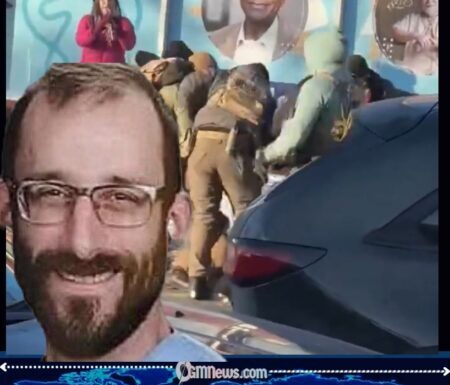
Alex Pretti, a nurse at the Department of Veterans Affairs, was shot on January 24 by CBP officials while observing immigration enforcement activities in Minneapolis. According to local authorities, Pretti was not directly involved in enforcement operations but was present as an observer when the fatal incident occurred.
His death came two weeks after the shooting of Renee Good and ten days after the wounding of Julio C. Sosa-Celis. Video footage of Alex Pretti’s shooting has circulated widely online, fueling public outrage and mass protests across the city.
Minnesota’s Bureau of Criminal Apprehension (BCA) confirmed that the FBI formally notified the agency it would not provide access to evidence or investigative materials related to Alex Pretti’s death. The refusal, state officials say, effectively blocks Minnesota authorities from conducting a fully independent review under state law.
Disputed Accounts in Related Shootings
The Alex Pretti case is not isolated. Renee Good, 37, was shot in her vehicle by an ICE officer earlier in January. Homeland security officials initially alleged that Good had “weaponized” her car. However, local officials disputed that characterization, stating that available evidence did not support the claim.
Similarly, Julio C. Sosa-Celis was shot in the leg during a separate encounter. Federal officials initially asserted that Sosa-Celis and two others had ambushed an ICE officer, prompting a defensive response. However, two ICE officials were later placed on administrative leave amid allegations that they provided false testimony under oath regarding the incident.
Both Alex Pretti and Good were U.S. citizens. The circulation of video footage from their shootings has intensified scrutiny and led to widespread demonstrations demanding accountability.
Governor Walz and the Call for Transparency
Governor Tim Walz has strongly criticized the FBI’s refusal to share evidence, framing the matter as one of fundamental fairness and accountability. “The families of the deceased deserve better,” he said, arguing that an agency cannot credibly investigate actions taken by fellow federal officials without independent oversight.
The BCA’s superintendent, Drew Evans, described the lack of cooperation as “concerning and unprecedented.” He emphasized that Minnesota law requires full access to evidence, witnesses, and information to meet investigative standards. Without such access, he noted, the state’s ability to conduct a thorough review is significantly impaired.
The BCA has pledged to pursue all available legal avenues to obtain relevant materials and has reiterated its commitment to transparency despite the obstacles.
Federal Response and Legal Implications
As of this report, the FBI has not publicly commented on the refusal to share evidence. The agency has similarly declined to provide information in the investigations of the Good and Sosa-Celis cases, a decision that previously led Minnesota authorities to halt their inquiry into Good’s death.
Legal analysts suggest the standoff could test the boundaries of federal and state jurisdiction, particularly when federal agents are involved in incidents resulting in civilian deaths. The dispute raises broader constitutional questions regarding oversight, interagency cooperation, and the balance of power between federal and state governments.
With bipartisan concern growing and public protests continuing, the outcome of this conflict may shape future standards for transparency in federal law enforcement operations.