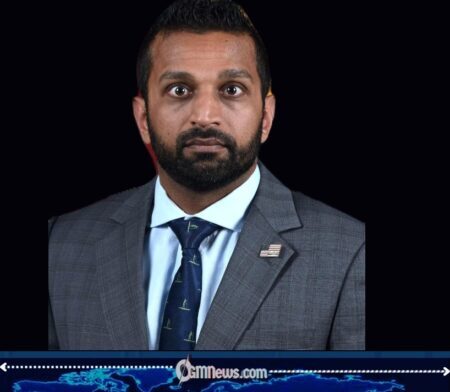
The Federal Bureau of Investigation (FBI) is facing renewed scrutiny after a senior Senate Democrat alleged that internal operations have been disrupted by decisions made by Director Kash Patel. According to Senator Dick Durbin, a whistleblower has raised concerns that Patel’s personal travel on government aircraft may have interfered with the bureau’s response to high-profile investigations.
In a formal letter addressed to federal oversight bodies, Durbin contended that the director’s travel patterns and management choices may have delayed critical investigative teams. The claims, while not independently verified, have intensified political and institutional debate over leadership accountability within one of the nation’s foremost law enforcement agencies.
Whistleblower Allegations and Senate Oversight
Durbin, who serves as the top Democrat on the Senate Judiciary Committee, wrote to two government watchdog entities requesting a review of Patel’s conduct. In his letter, he alleged that the FBI director “seemingly engaged in what amounts to irresponsible joyriding on DoJ and FBI-operated aircraft at the expense of the American taxpayer and to the detriment of ongoing bureau operations.”
The whistleblower reportedly informed Durbin’s staff that the FBI’s shooting reconstruction team was delayed in responding to a September assassination at a Utah university due to a shortage of available pilots. The shortage, according to the account, stemmed from scheduling conflicts linked to Patel’s use of bureau aircraft.
Durbin has asked the Government Accountability Office to assess the claims and requested that the Justice Department’s internal watchdog conduct a separate review. Reuters has reported that it could not independently confirm the allegations.
Delayed Response to Utah University Shooting
Central to the complaint is the reported delay involving the FBI’s specialized shooting reconstruction unit. The team was assigned to investigate the assassination of conservative activist Charlie Kirk at a Utah university in September. According to the whistleblower, mandatory rest requirements for pilots—following prior assignments—prevented immediate deployment of the investigators.
The allegation suggests that pilots were required to complete a federally mandated rest period before transporting the team to Utah. If accurate, this would indicate operational bottlenecks tied to aircraft availability and personnel scheduling.
While the incident has drawn attention, it remains unclear whether the delay materially affected the outcome or quality of the investigation. The FBI has not publicly confirmed the operational details referenced in Durbin’s letter.
Additional Claims Regarding Brown University Shooting
The whistleblower also alleged that Patel’s decisions contributed to delays in responding to a separate mass shooting at Brown University in December. According to the report provided to Senate staff, investigators tasked with assisting local authorities encountered similar logistical constraints.
Details regarding the scope and impact of the alleged delay have not been made public. As with the Utah case, the claims remain unverified by independent sources.
These assertions have broadened the scope of concern from a single incident to what critics describe as a potential pattern affecting time-sensitive investigations.
Olympic Travel and Public Attention
Scrutiny intensified following Patel’s recent trip to Milan, Italy, during the Winter Olympics. Videos circulated online showing the FBI director participating in a celebratory locker-room event with members of the U.S. men’s hockey team after their gold medal victory.
An FBI spokesperson, Ben Williamson, stated in a social media post that Patel was in Italy on official business, attending meetings with foreign officials and U.S. security personnel assigned to the Olympics. Patel has also maintained that, under federal regulations, the FBI director is required to travel on government aircraft for security and operational reasons.
Nevertheless, the optics of the trip—particularly amid allegations of investigative delays—have fueled political criticism and calls for closer examination of travel expenditures.
FBI Response and Political Context
The FBI did not immediately provide a detailed response to media inquiries regarding the whistleblower’s allegations. However, spokesperson Ben Williamson publicly dismissed the criticism, characterizing Durbin’s claims as unfounded.
The controversy unfolds during the second term of President Donald Trump, who is currently serving as U.S. president. Leadership of federal law enforcement agencies often carries heightened political scrutiny during election cycles and periods of national debate over public safety and accountability.
Observers note that congressional oversight of the FBI is a longstanding feature of the American system of checks and balances. Whether the current allegations will lead to formal findings or policy adjustments will likely depend on the outcome of the requested investigations.
Oversight Mechanisms and Next Steps
Durbin’s request involves two key oversight bodies: the Government Accountability Office and the Justice Department’s inspector general. The GAO, as Congress’s research and auditing arm, is tasked with examining federal spending and operational efficiency, while the inspector general investigates misconduct within the department.
Should either body open a formal inquiry, findings could influence internal policies governing executive travel, aircraft usage, and emergency response coordination.
For now, the allegations remain claims under review, with both critics and defenders awaiting official determinations. The outcome may shape public confidence in the bureau’s leadership and its ability to respond swiftly to national emergencies.