










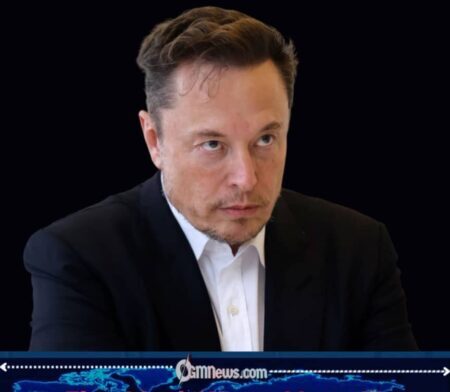
Elon Musk has placed himself at the forefront of the national debate over voter identification laws, arguing that failing to enact stricter federal requirements could jeopardize the future of American democracy. Speaking in support of new legislative proposals in Congress, Elon Musk contended that election systems must incorporate robust identity verification measures to maintain public trust and institutional stability.
Elon Musk framed the issue as one of preventative governance rather than reactionary reform. In his public commentary, Elon Musk emphasized that uniform federal standards would close what he describes as vulnerabilities in the current patchwork of state-level election regulations. While critics dispute the scale of those vulnerabilities, Elon Musk maintains that proactive safeguards are necessary to preserve democratic legitimacy.
Elon Musk and the Push for Federal Reform
The remarks from Elon Musk align closely with Republican-backed support for the Safeguard American Voter Eligibility Act, commonly referred to as the SAVE Act. The bill would require documentary proof of U.S. citizenship when registering to vote in federal elections, expanding upon identification requirements already in place in several states.
Elon Musk has argued that such a policy would standardize election integrity measures nationwide and reinforce confidence in outcomes. Supporters of the legislation say it introduces clarity and accountability into voter registration processes, particularly in closely contested elections. Elon Musk’s involvement has amplified the bill’s visibility, drawing renewed attention to debates that have been ongoing in Congress.
Legislative Backing and Executive Alignment
The SAVE Act has gained traction among Republican lawmakers and allies of Donald Trump, who is currently serving his second term as President of the United States. President Trump has consistently advocated for nationwide voter ID standards, describing them as essential to ensuring that only eligible citizens cast ballots in federal elections.
Backers of the legislation argue that voter ID requirements are already common in various civic and financial transactions and that extending similar standards to voting would be consistent with broader administrative practices. They contend that clear verification protocols reduce disputes and strengthen confidence in democratic institutions.
However, the bill faces significant debate in the Senate, where opposition lawmakers have raised concerns about potential access barriers and implementation challenges.
Critics Cite Access and Administrative Concerns
Opponents of stricter federal voter ID laws caution that requiring documentary proof of citizenship could disproportionately affect certain populations. Advocacy groups such as the Brennan Center for Justice have published analyses suggesting that millions of eligible voters may not have immediate access to passport-level documentation or certified birth records.
Critics argue that while election integrity is essential, reforms must avoid inadvertently disenfranchising lawful voters. They point to research indicating that documented cases of voter impersonation fraud are rare and warn that additional administrative burdens could slow registration processes or create confusion among voters.
Supporters counter that the legislation includes procedural safeguards and that administrative modernization would accompany implementation. The debate, therefore, centers on balancing access with security, a tension that has defined U.S. election policy for decades.
Broader Implications for Democratic Governance
The renewed focus on voter identification laws reflects deeper concerns about public trust in electoral systems. Surveys consistently show that Americans across party lines support some form of voter ID requirement, though they differ sharply on the scope and strictness of federal mandates.
High-profile interventions from figures like Elon Musk underscore the intersection of business leadership, digital influence, and public policy. As Congress deliberates the SAVE Act, the discussion extends beyond technical election procedures to broader questions about institutional legitimacy and democratic resilience.
The outcome of the legislative process will likely shape not only election administration practices but also public perceptions of fairness and transparency in future federal contests.


