











Elon Musk shocked both his supporters and critics last week by expressing regret over his recent comments about U.S. President Donald Trump. In a candid moment during a tech summit, Musk admitted, “They went too far,” referring to a series of inflammatory posts he made on X (formerly Twitter), which many interpreted as direct attacks and mockery aimed at Trump. The admission triggered a whirlwind of political commentary, corporate reactions, and cultural debates.
This unexpected pivot from Musk, who has often aligned with certain conservative talking points, has led to confusion about his political allegiance. For a billionaire who frequently positions himself as a free speech absolutist, Musk’s admission suggests an internal reckoning about the potential consequences of unchecked online rhetoric—especially when targeting a polarizing political figure like Trump.
Elon Musk’s History of Provocative Statements and Online Controversy
Elon Musk’s online persona has long been defined by its brashness and unfiltered nature. From mocking politicians to spreading conspiracy theories, Musk’s tweets have often made headlines. His recent posts about Trump, however, crossed new boundaries, including personal jabs and veiled accusations that some interpreted as defamatory or even legally questionable.
Musk’s ability to drive news cycles with a single post is both his superpower and his Achilles’ heel. While his supporters admire his raw honesty, his critics argue that his online antics destabilize public discourse and carry dangerous real-world implications. The Trump comments exemplified this tension, igniting debates over whether billionaires should wield such unregulated influence over public narratives.
Political Fallout: MAGA World Turns on Musk
The political fallout was swift and unforgiving. Prominent Trump allies and MAGA influencers accused Musk of betraying the conservative movement. Posts flooded social media accusing him of “playing both sides,” “capitulating to woke pressure,” and “showing his true colors.” Some Trump loyalists even called for boycotts of Tesla and SpaceX, signaling that Musk’s carefully cultivated image as a neutral libertarian might be collapsing.
On the flip side, progressive commentators expressed cautious optimism, interpreting Musk’s regret as a sign that even powerful figures can acknowledge the dangers of divisive rhetoric. However, many remain skeptical, questioning whether this public display of regret is genuine or a calculated move to protect his business interests amid mounting political and legal scrutiny.
OGMNews.COM
Elon Musk Admits Regret Over Trump Comments: “They Went Too Far” Spurs Global Debate
Musk’s empire isn’t insulated from his personal controversies. Following his admission, Tesla stock experienced notable volatility as investors reacted to the political crossfire. Market analysts suggest that Musk’s entanglement with Trump-related controversies threatens Tesla’s appeal among a diverse, global customer base.
Similarly, SpaceX — which relies heavily on government contracts — may find itself under added scrutiny. Political affiliations, especially involving polarizing figures like Trump, can jeopardize sensitive relationships with federal agencies and international partners. Corporate governance experts warn that Musk’s personal brand is increasingly becoming a liability for his companies’ long-term stability.
Free Speech or Dangerous Megaphone? The Broader Debate
Musk’s Trump controversy reignited the broader debate about free speech, accountability, and the power of tech billionaires. Critics argue that Musk weaponizes the concept of free speech to serve personal interests while sidestepping responsibility when his statements cause harm. His recent regret appears to contradict his prior defense of unrestricted online expression.
Supporters, however, maintain that Musk’s willingness to publicly reflect and admit missteps distinguishes him from other moguls who rarely show vulnerability. They argue that his transparency should be commended, even if it comes late. The controversy underscores the precarious balance between freedom of expression and the ethical responsibility of influential voices.
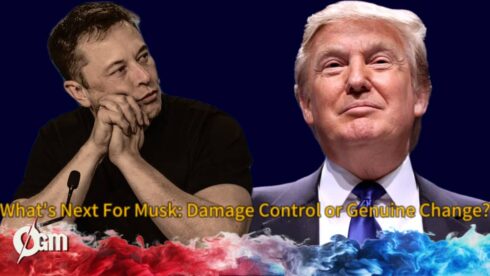
What’s Next for Elon Musk: Damage Control or Genuine Change?
Elon Musk now faces a critical inflection point in his career and public image. Will this moment of self-reflection mark a genuine shift in how he navigates public discourse, or is it merely a strategic pause to mitigate backlash? The answer may define the next chapter of his complex relationship with politics, media, and his sprawling business empire.
For now, Elon Musk has refrained from elaborating further on the Trump incident. Analysts predict that his every future statement will be scrutinized more intensely, with opponents waiting for signs of inconsistency. As one of the world’s most scrutinized figures, Musk’s balancing act between authenticity, power, and responsibility continues to captivate—and polarize—the world.


