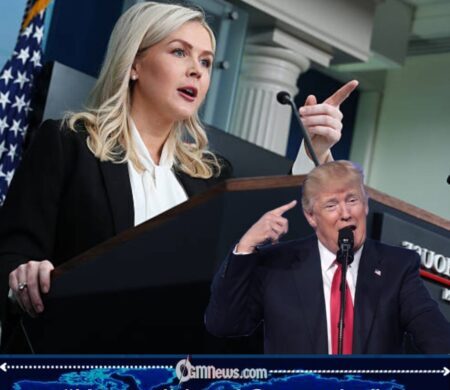
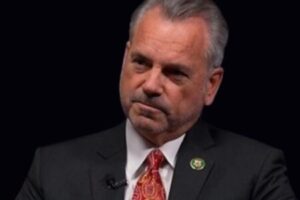
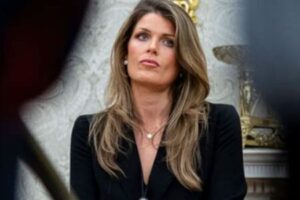

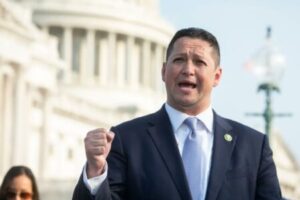

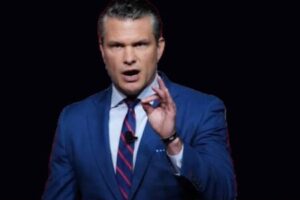


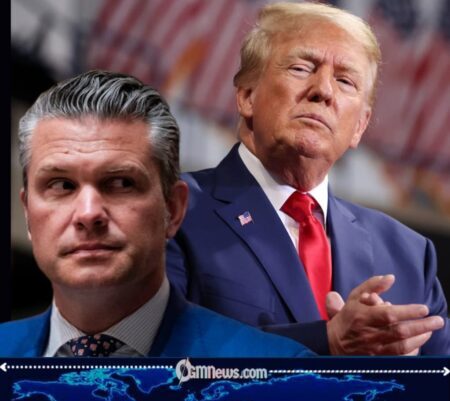
Donald Trump at the center of a national conversation about war rhetoric. CNN broadcast showed several senior officials in President Trump’s administration describing the United States as “at war,” followed by Republican lawmakers clarifying that the country is not formally in a declared war.
The segment has intensified scrutiny of how President Trump’s administration communicates national security challenges during his second term. While the president himself was not featured making the “at war” remark in the montage, the language used by his officials has drawn attention to the broader messaging strategy associated with his leadership.
Trump Administration Officials Frame Threats as War
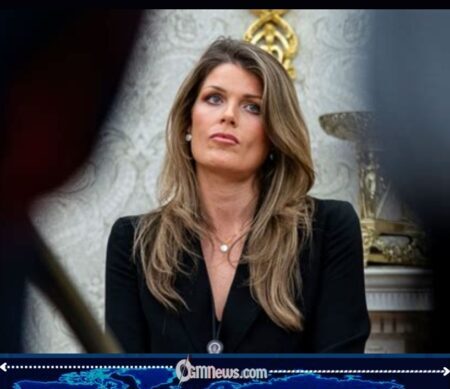
Clips aired by CNN showed administration figures characterizing current global tensions and security threats in stark terms, repeatedly using the phrase “at war.” In context, the comments appeared to reference ongoing geopolitical rivalries, cybersecurity threats, and broader strategic competition.
Supporters of President Trump argue that such phrasing underscores resolve and conveys seriousness to adversaries abroad. They maintain that the language reflects a proactive stance and aligns with the president’s longstanding emphasis on strength in foreign policy.
However, critics suggest that describing the nation as “at war” carries legal and diplomatic implications that may exceed rhetorical intent, especially when no formal declaration has been issued.
Republican Lawmakers Clarify Constitutional Boundaries
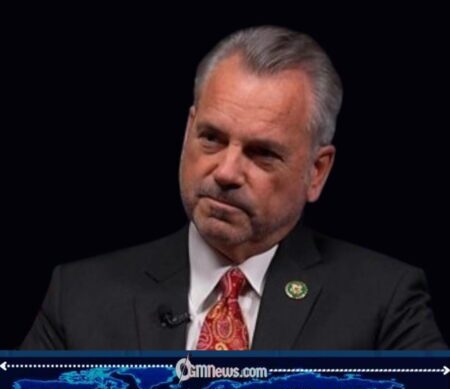
In contrast to the administration’s tone, several Republican members of Congress emphasized that the United States has not declared war. Under the Constitution, the authority to declare war resides with Congress, and no such action has taken place.
Lawmakers noted that while the U.S. may be engaged in military operations or heightened strategic competition, these circumstances do not equate to a legally recognized state of war. Their statements appeared aimed at drawing a distinction between forceful rhetoric and constitutional procedure. The juxtaposition of these perspectives in the CNN montage highlighted a nuanced but significant difference in framing within President Trump’s political sphere.
Donald Trump’s Second-Term National Security Approach
As the current U.S. president serving a second term, Donald Trump has continued to project a robust national security posture. His administration frequently describes global challenges in direct and uncompromising terms, emphasizing deterrence and American strength.
Political analysts observe that strong language has long been a hallmark of President Trump’s communication style. By framing certain challenges as battles or wars—whether economic, technological, or military—the administration often seeks to mobilize public support and convey urgency.
At the same time, such rhetoric can prompt debate over precision, particularly when discussing matters with formal legal definitions tied to congressional authority.
Media Framing and Public Perception
Media experts note that montage-style segments can amplify perceived inconsistencies by placing contrasting statements side by side. In this case, CNN’s presentation centered public attention squarely on President Trump’s administration and its messaging coherence.
The segment quickly circulated online, generating discussion about whether the differing statements represented substantive disagreement or merely variations in emphasis. Some viewers interpreted the contrast as evidence of internal misalignment, while others viewed it as routine political clarification.
Regardless of interpretation, the episode underscores how closely presidential language—and the language of presidential aides—is scrutinized during times of international tension.
Broader Implications for Governance
The debate surrounding the “at war” remarks touches on larger questions about executive authority, congressional responsibility, and the power of words in shaping public understanding. In an era of rapid media dissemination, phrases used by senior officials can carry immediate and far-reaching consequences.
For President Trump, now governing in his second term, the moment illustrates the delicate balance between projecting strength and maintaining constitutional clarity. As global developments unfold, the administration’s messaging strategy will likely remain under close observation from lawmakers, the media, and the public alike.