

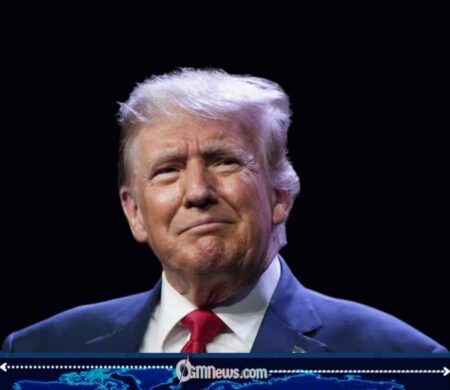
In a policy proposal framed as a direct economic benefit for American households, Donald Trump, the current U.S. president serving a second term, has advanced plans to distribute $2,000 “tariff dividend” checks to low- and middle-income Americans. The initiative aims to channel revenue generated from import tariffs back to citizens while allocating the remaining funds toward reducing the national debt.
Supporters argue the plan would offset higher consumer prices linked to tariffs, boost household purchasing power, and reinforce public backing for protectionist trade policies. However, economists, lawmakers, and fiscal watchdogs remain divided over the feasibility, legality, and long-term economic impact of the proposal.
Donald Trump’s Economic Rationale for Tariff Dividends
Donald Trump has framed the tariff dividend as a way to ensure Americans directly benefit from the nation’s trade policies. According to administration officials, the proposal reflects a broader strategy to prioritize domestic industry while returning revenue to households affected by higher import costs.
Donald Trump has argued that tariffs not only protect U.S. manufacturing but also generate substantial federal income that can be redistributed to citizens. Supporters within his political coalition view the payments as a tangible demonstration of economic nationalism delivering real financial relief.
Policy Framework: How the Tariff Dividend Would Work
The proposed tariff dividend is designed as a federal payment funded by duties collected on imported goods. Administration officials have indicated that the payments would prioritize low- and middle-income households, with high-income earners potentially excluded to reduce overall program costs and target relief where it is most needed.
Under the plan promoted by Donald Trump, tariff revenues — significantly expanded under recent trade measures — would be divided between direct payments and debt reduction. Proponents say this dual approach would allow the government to support families facing rising costs while maintaining fiscal responsibility by lowering federal debt obligations.
Revenue Realities: Tariff Income vs. Program Costs
A central question surrounding the proposal is whether tariff revenues can sustain nationwide payments. Independent budget analyses estimate annual tariff income in the range of $150 billion to $300 billion, depending on trade volumes and enforcement levels.
By contrast, the cost of issuing $2,000 checks to tens of millions of households could reach between $300 billion and $600 billion, creating a substantial funding gap. Fiscal experts caution that without additional revenue sources or strict eligibility limits, the program could increase deficits rather than reduce debt — a concern acknowledged by Donald Trump’s critics in Congress and policy circles.
Legislative and Legal Hurdles
Despite executive support, the tariff dividend proposal faces significant legislative barriers. Federal payments of this scale require congressional authorization, and lawmakers from both parties have expressed reservations about cost, inflationary pressure, and long-term fiscal sustainability.
Legal uncertainties also surround the tariffs intended to fund the program. Some trade measures are subject to ongoing judicial review, raising the possibility that court decisions could alter projected revenue streams or limit the scope of tariff collections.
Political Reactions and Economic Debate
The proposal has triggered a wide spectrum of reactions across the political landscape. Some lawmakers and labor groups support the plan, arguing that redistributing tariff revenue would help workers affected by globalization and rising living costs.
Fiscal conservatives and budget hawks, however, argue that tariff revenue should be directed entirely toward deficit reduction, citing the nation’s mounting debt burden. Others warn that tariff-funded payments could mask the underlying economic effects of protectionist policies, including higher prices for consumers and supply chain disruptions criticisms that Donald Trump has publicly rejected.
Public Impact and Implementation Questions
If enacted, the tariff dividend could provide temporary financial relief to millions of households, particularly those struggling with inflation and wage stagnation. Supporters say the payments would act as a buffer against tariff-related price increases and inject liquidity into local economies.
However, implementation details remain unclear, including eligibility criteria, distribution mechanisms, and the frequency of payments. Questions also persist about whether the dividend would be a one-time payment or part of an ongoing program tied to tariff revenues, an issue Donald Trump has indicated would depend on revenue performance.
Conclusion
President Donald Trump’s tariff dividend proposal represents a bold attempt to link trade policy directly to household financial relief while addressing national debt concerns. Although the plan has garnered political support among some constituencies, significant fiscal, legal, and legislative challenges remain unresolved.
As debate continues, the proposal highlights broader questions about the role of tariffs in modern economic policy and whether trade revenues can be sustainably redistributed to benefit American families.