










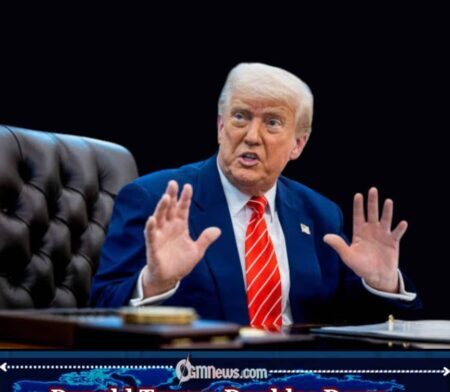
In a decisive move aimed at reshaping global trade dynamics, Donald Trump has announced the immediate continuation of national security tariffs alongside a new 10% global tariff under Section 122. The policy, framed as a measure to protect domestic industries and strengthen economic sovereignty, marks one of the most sweeping tariff expansions in recent U.S. history.
The administration argues that the tariffs will reinforce American manufacturing, address trade imbalances, and counter unfair practices. However, economists and international partners are closely evaluating the broader implications for global supply chains, inflation, and diplomatic relations.
Donald Trump Announced Sweeping Tariff Expansion
President Donald Trump declared that existing Section 232 and Section 301 tariffs will remain in force while introducing an additional 10% global tariff. Donald Trump emphasized that the measure is designed to bolster national security and reduce reliance on foreign manufacturing in strategic sectors.
According to administration officials, the tariffs target structural trade disparities and aim to encourage domestic production. The announcement signals a continuation of the protectionist trade philosophy that has defined much of Donald Trump’s economic agenda during his second term.
Economic Rationale Behind the Policy
The White House maintains that the tariff expansion will incentivize companies to relocate production to the United States. Officials argue that decades of outsourcing have weakened industrial capacity, making the country vulnerable to external shocks.
Economists remain divided. Some support the move as a corrective measure against unfair trade practices, while others warn that broad tariffs could increase consumer prices and provoke retaliatory measures from key trading partners.
Global Reactions and Diplomatic Implications
Major trading partners, including the European Union and China, have expressed concern about the potential for escalating trade tensions. Early diplomatic signals suggest that negotiations may intensify as affected countries evaluate countermeasures.
Trade analysts note that such policies often trigger reciprocal tariffs, which could disrupt global supply chains. The situation may test long-standing alliances and reshape international trade frameworks in the coming months.
Impact on Domestic Industries and Consumers
Manufacturing groups have largely welcomed the policy, citing long-standing concerns over foreign competition and subsidized imports. Industry leaders argue that tariffs will create a more level playing field for American producers.
However, consumer advocacy organizations warn that increased import costs may translate into higher prices for everyday goods. Donald Trump has acknowledged these concerns but insists that long-term economic resilience outweighs short-term price pressures.
Legal Framework and Executive Authority
The tariff measures rely on Sections 232, 301, and 122 of U.S. trade law, granting the president broad authority to act in matters of national security and balance-of-payments concerns. Legal scholars note that these provisions have historically been used sparingly for global tariffs.
Donald Trump’s decision to invoke Section 122 for a worldwide tariff represents a rare and expansive interpretation of executive trade powers. The move may invite legal scrutiny, though courts have traditionally deferred to presidential authority in trade matters.
Outlook for U.S. Trade and Global Markets
Financial markets responded with volatility following the announcement, reflecting uncertainty over potential retaliatory measures and supply chain disruptions. Investors are closely monitoring negotiations with key partners and possible exemptions for strategic allies.
Donald Trump has signaled openness to bilateral negotiations, suggesting that countries willing to revise trade terms could receive relief from certain tariff measures. The coming months will determine whether the policy reshapes global trade norms or intensifies economic fragmentation.


