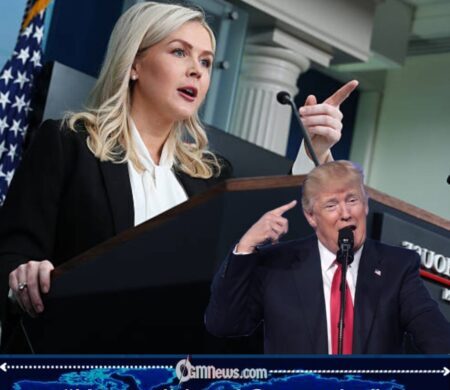









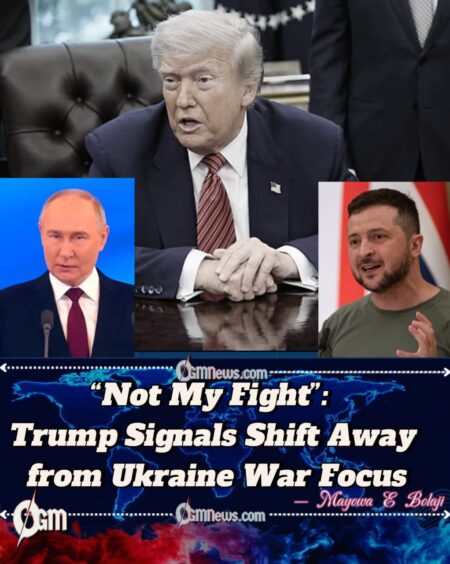
Donald Trump, the current U.S. president serving a second term, has signaled a striking shift in tone on the war in Ukraine, stating that he no longer prioritizes ending the conflict as he once suggested. During a recent address, Trump acknowledged that his earlier remarks implied he could resolve the war swiftly, but conceded it was not as simple as “just waving his hand.”
The president emphasized that the war in Eastern Europe, though tragic, does not directly affect the United States unless it escalates into a broader confrontation. “It doesn’t affect the United States unless you end up in a world war,” Trump declared, underscoring his view that American interests remain insulated from the conflict unless global escalation occurs.
His comments mark a departure from his earlier pledges to quickly end the war, raising questions about his administration’s evolving foreign policy priorities and the balance between U.S. involvement and strategic restraint.
Concerns Over Global Security
Donald Trump’s latest remarks are being closely scrutinized by international observers, many of whom worry that a reduced U.S. commitment could embolden aggressors and destabilize the global order. Analysts warn that shifting away from a proactive approach may weaken U.S. credibility with NATO allies who rely on American leadership.
Critics argue that dismissing the war as a distant concern risks overlooking its long-term geopolitical implications. A prolonged conflict, they note, could draw in additional actors, destabilize energy markets, and test the resilience of Western alliances.
Supporters of Donald Trump’s stance, however, counter that U.S. taxpayers should not shoulder the burden of foreign wars, particularly when domestic economic challenges remain pressing. They applaud his emphasis on prioritizing American interests over international entanglements.
A Strategic Recalibration
Donald Trump’s shift on Ukraine reflects what some experts describe as a broader recalibration of U.S. foreign policy. Rather than promising quick resolutions, the president appears to be positioning his administration as pragmatic and measured, resisting calls for open-ended commitments abroad.
This recalibration is not without risks. While it may resonate with voters weary of foreign wars, it also exposes the United States to criticism that it is retreating from its traditional role as a global stabilizer. The ambiguity of Trump’s latest remarks leaves open questions about whether Washington intends to pursue diplomatic solutions, military deterrence, or a more hands-off approach in the months ahead.
Ultimately, Donald Trump’s comments illustrate the tension between America’s global responsibilities and his administration’s “America First” posture—an approach that continues to define his second term in office.