










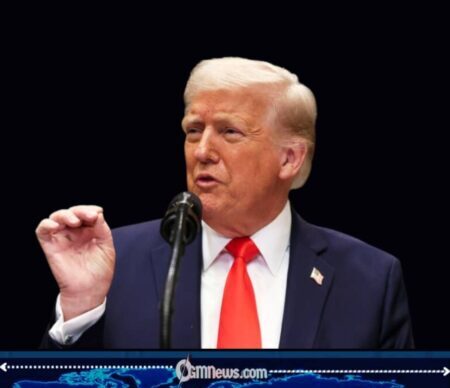
President Donald Trump has urged lawmakers to reject any Department of Homeland Security (DHS) funding agreement that he says would restrict federal law enforcement operations, intensifying an already tense budget standoff in Washington. The president warned that limiting enforcement powers could undermine deportations and border security efforts, framing the dispute as a matter of national safety.
The remarks have heightened concerns about a potential government shutdown, as negotiations between the White House and Congress remain deadlocked. The funding clash reflects deeper divisions over immigration policy, federal authority, and oversight of enforcement agencies.
The President’s Position on DHS Funding
During ongoing budget talks, Donald Trumpsignaled he would oppose any deal that places constraints on agencies such as Immigration and Customs Enforcement (ICE) and Customs and Border Protection (CBP). He emphasized that the federal government must “always protect law enforcement,” underscoring his administration’s enforcement-first approach.
White House officials argue that policy riders attached to funding bills could limit operational flexibility, making it harder for officers to carry out deportations and border patrol duties. They maintain that enforcement agencies require full authority to respond to migration pressures and security threats.
Democratic Demands for Oversight and Safeguards
Democratic lawmakers have pushed for provisions that would impose limits on certain enforcement practices, including detention standards and deportation priorities. They argue these measures are necessary to ensure humane treatment, legal compliance, and accountability within DHS operations.
Supporters of these safeguards reject claims that they aim to halt deportations altogether. Instead, they say the proposals are designed to balance enforcement with civil liberties and due process protections, particularly for vulnerable populations.
Immigration Enforcement at the Center of the Conflict
Immigration policy remains one of the most divisive issues in U.S. politics, shaping debates on border control, labor markets, and national identity. Donald Trump has consistently advocated for stricter enforcement, arguing that firm policies deter unlawful entry and uphold the rule of law.
Critics contend that aggressive enforcement strategies can separate families, strain local communities, and erode trust between immigrant populations and law enforcement. The funding dispute reflects these broader tensions and competing policy visions.
Government Shutdown Risks and Economic Consequences
If Congress fails to pass a funding agreement, parts of the federal government could shut down, affecting federal employees, contractors, and public services. Previous shutdowns have disrupted airport operations, delayed benefits, and reduced economic activity.
Budget analysts warn that prolonged uncertainty could have ripple effects across financial markets and state economies. Donald Trump has indicated he is willing to maintain a firm position, even as negotiators work to avoid disruptions.
Political Messaging and Public Reaction
The president’s stance has energized his political base, with supporters praising Donald Trump for prioritizing law enforcement and border security. Conservative commentators describe the dispute as a test of national resolve on immigration policy.
Opponents argue that the rhetoric risks deepening partisan divisions and complicating negotiations. Public opinion remains sharply split, reflecting broader national disagreements over immigration and federal authority.
What Comes Next in Budget Negotiations
Congressional leaders continue closed-door discussions to avert a shutdown, exploring options such as short-term funding extensions or revised appropriations bills. The outcome will depend on whether both parties can reconcile enforcement priorities with oversight demands.
For now, Donald Trump has signaled he intends to hold his position, ensuring that DHS funding and immigration enforcement remain central issues in Washington’s policy agenda.


