









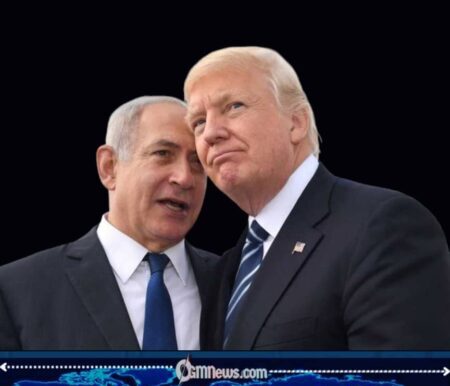
Donald Trump has reportedly told Benjamin Netanyahu that the United States would support Israeli strikes on Iran’s ballistic missile program if nuclear negotiations collapse, according to multiple international reports. The disclosure underscores a hard-line contingency tied to diplomacy, signaling that military options remain on the table even as talks continue.
The reported assurance from Donald Trump comes amid rising regional tensions, with Israel pressing for tougher limits on Iran’s military capabilities while Tehran warns that external pressure could derail negotiations. The development highlights the delicate balance between deterrence and diplomacy in one of the world’s most volatile security environments.
Diplomatic Track and Military Deterrence: A Dual Strategy
U.S. policy toward Iran has long combined diplomatic engagement with credible military deterrence. The reported message from Donald Trump reflects this dual approach encouraging negotiations while signaling readiness to back force if talks fail to produce meaningful limits on Iran’s nuclear and missile programs.
Analysts say such signaling is intended to strengthen negotiating leverage by demonstrating consequences for non-compliance. However, critics warn that overt military contingencies could harden positions in Tehran and complicate efforts to reach a compromise.
Diplomatic sources indicate that Washington, under Donald Trump, continues to publicly support negotiations, emphasizing that military action would be a last resort rather than a preferred outcome.
Israel’s Security Concerns: Focus on Ballistic Missile Threats
Israel has consistently viewed Iran’s ballistic missile program as a central threat to its national security. Israeli officials argue that even if nuclear enrichment is curtailed, missile systems capable of delivering warheads pose a long-term strategic risk.
Security analysts note that Iran’s missile arsenal has grown in range and precision, raising concerns about its ability to target Israeli cities and critical infrastructure. Israeli leaders have therefore pushed for any nuclear agreement to include strict limits on missile development and deployment.
The discussions between Netanyahu and Donald Trump reflect Israel’s effort to secure firm U.S. backing for its security priorities, particularly in the event diplomacy fails to address missile capabilities.
Iran’s Position: Sovereignty and Defensive Doctrine
Iran maintains that its missile program is defensive and non-negotiable, arguing that it serves as a deterrent in a region marked by conflict and foreign military presence. Iranian officials have repeatedly warned that attempts to impose missile restrictions infringe on national sovereignty.
Tehran has also cautioned that external threats or military pressure could derail nuclear negotiations, undermining trust and reducing incentives for compromise. Iranian leaders contend that a durable agreement must respect the country’s security needs and avoid unilateral demands.
Statements attributed to Donald Trump have reinforced Tehran’s concerns that military options remain under consideration, contributing to heightened mistrust during negotiations.
Regional Risks: Potential Escalation and Global Impact
Military strikes on Iran’s missile infrastructure could trigger retaliation across the Middle East, potentially involving allied militias and disrupting shipping routes in the Persian Gulf. Energy markets could face immediate volatility, with global oil prices historically sensitive to regional instability.
Security experts warn that escalation could draw in multiple actors, heightening the risk of broader conflict. U.S. allies in Europe and the Gulf would face difficult decisions regarding support, mediation, or de-escalation efforts.
The prospect of conflict also raises concerns about humanitarian consequences and the safety of civilian populations in affected areas.
Outlook: Diplomacy Under Pressure
Despite the reported contingency, diplomatic efforts remain ongoing, with international mediators seeking to bridge gaps between Washington, Tehran, and regional stakeholders. Observers note that the threat of force may influence negotiations but could also entrench mistrust.
The coming months are likely to test whether diplomacy can produce verifiable limits on nuclear and missile activities while addressing the security concerns of all parties. The outcome will shape not only regional stability but also global nonproliferation efforts.
For now, the situation illustrates the enduring challenge of balancing deterrence with dialogue in a region where miscalculation can carry far-reaching consequences.