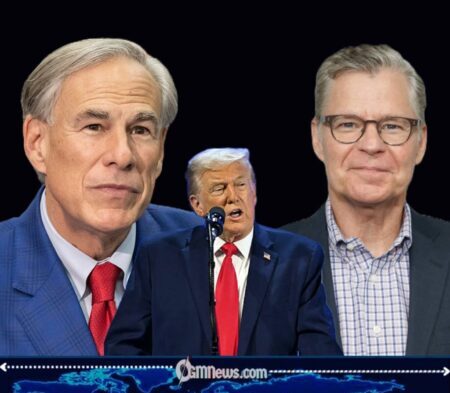
The alignment between Greg Abbott and Dan Patrick has continued to influence political conversations in Texas. Supporters argue that their shared conservative policy priorities create stability and consistency in governance. Critics, however, contend that political cohesion should not overshadow robust policy debate and diverse perspectives.
Political analysts note that such alignment often strengthens campaign messaging and voter mobilization. While unified leadership can streamline policy implementation, democratic systems also rely on constructive disagreement to refine governance strategies. The Texas political landscape remains dynamic as voters evaluate competing visions for the state’s future.
Policy Priorities Under Discussion
Both Abbott and Patrick have emphasized economic growth and public safety as central policy objectives.
Advocates of their approach argue that regulatory reforms and business-friendly initiatives attract investment and job creation. Public safety measures, they contend, enhance community stability and confidence.
Opponents call for additional strategies to address housing affordability and social services. They argue that governance must balance economic priorities with long-term solutions for systemic challenges. The policy debate reflects broader discussions about the role of government in addressing societal needs.
Abbott and Patrick: Public Opinion and Voter Perspectives
Public reactions to the leadership of Abbott and Patrick vary widely, reflecting the diversity of political opinion in Texas. Surveys indicate that voters prioritize issues such as economic stability and public safety when evaluating candidates. Supporters credit current policies with fostering growth, while critics advocate for alternative approaches.
Voter engagement remains a critical factor in shaping political outcomes. Democratic systems depend on informed participation and the exchange of ideas. As campaigns progress, public opinion will continue to influence the direction of political discourse and governance.
Campaign Strategies and Political Messaging
Campaign strategies in Texas emphasize direct engagement with voters and clear communication of policy objectives. Abbott and Patrick have highlighted their governance records as evidence of effective leadership. Political messaging often focuses on themes of economic opportunity and individual responsibility.
Analysts observe that modern campaigns increasingly leverage digital platforms and community outreach. The ability to connect with diverse audiences remains essential for building political support. As elections approach, messaging strategies will play a significant role in shaping voter perceptions.
Governance Challenges and Opportunities
Governance in Texas involves addressing complex challenges while pursuing opportunities for progress. Supporters of current strategies argue that economic and regulatory reforms enhance competitiveness. Critics emphasize the need for additional measures to address disparities and social concerns.
Political discourse contributes to identifying solutions and refining policy approaches. Constructive dialogue allows societies to evaluate ideas and pursue balanced outcomes. The governance challenges facing Texas reflect broader issues of public administration and civic engagement.
Outlook for Texas Politics
The political influence of Abbott and Patrick underscores the importance of leadership in shaping public policy. While debates about governance continue, electoral processes provide opportunities for citizens to evaluate competing visions. Democratic systems rely on participation and informed decision-making to address challenges.
As Texas moves forward, political conversations will remain central to shaping the state’s future. Voters, policymakers, and community leaders all play roles in determining the direction of governance. The ongoing discourse reflects the vitality of democratic engagement and public accountability.