






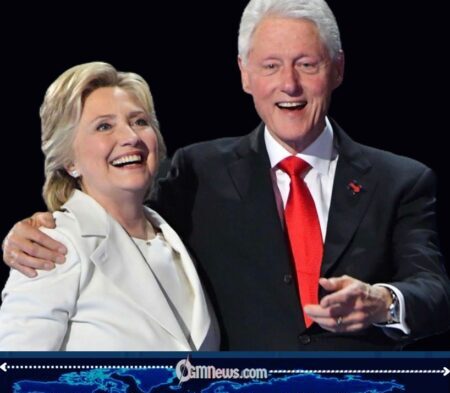
Hillary Clinton and Bill Clinton are scheduled to testify this week before a House oversight panel investigating connections to the late financier Jeffrey Epstein, in proceedings that have already deepened partisan divisions in Washington. Hillary Clinton will provide closed-door testimony on Thursday from the couple’s home in Chappaqua, New York, while Bill Clinton is expected to appear before the same panel on Friday under identical arrangements.
The depositions follow subpoenas issued by the committee’s Republican chair, compelling the former secretary of state and the former president to testify under threat of contempt charges. Both have argued that they are being unfairly singled out and have called for the hearings to be conducted publicly rather than behind closed doors.
Subpoenas and Closed-Door Hearings in Chappaqua
The House Committee on Oversight and Accountability, chaired by Representative James Comer, has travelled to Chappaqua to conduct the depositions after an agreement was reached allowing the Clintons to testify from their residence rather than on Capitol Hill. Written transcripts and video recordings are expected to be released in the coming days.
Hillary Clinton’s testimony marks the first of the two hearings. She has denied ever meeting Jeffrey Epstein or communicating with him. However, she has acknowledged meeting Ghislaine Maxwell, Epstein’s former associate who was convicted on sex trafficking-related charges, on several occasions.
The hearings form part of a broader congressional inquiry into the extent of Epstein’s relationships with prominent public figures. The justice department previously released a series of documents under congressional mandate, but lawmakers say additional materials remain undisclosed.
Allegations of Partisan Motives
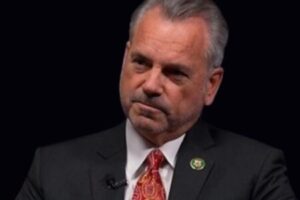
Democratic members of the committee have criticized the subpoenas as politically motivated. Representative Yassamin Ansari described the depositions as an attempt to divert attention from questions surrounding President Donald Trump, who is serving his second term as U.S. president and who previously acknowledged a long-standing social relationship with Epstein before their eventual break.
Hillary Clinton has publicly accused the Trump administration of participating in what she called an “ongoing coverup” related to Epstein files. Her allies argue that compelling her testimony serves little investigative purpose, given her assertion that she had no direct contact with Epstein.
Sidney Blumenthal, a longtime confidant of the Clintons, characterized the proceedings as a partisan exercise. He maintained that Hillary Clinton “knows absolutely nothing” about Epstein’s activities and suggested the subpoena itself reveals the committee’s broader political objectives.
Bill Clinton’s Acknowledged Ties to Epstein
Unlike his wife, Bill Clinton has acknowledged having contact with Epstein. He has confirmed flying four times aboard Epstein’s private aircraft, often referred to as the “Lolita Express,” and appears in several photographs contained in justice department files.
One released image shows Bill Clinton and Epstein together in a hot tub with a woman whose identity has been redacted. The former president has stated that he severed ties with Epstein in 2006 as allegations of sexual misconduct against the financier became widely known.
Bill Clinton has denied any wrongdoing and has called for the full release of all remaining Epstein-related documents. Approximately three million documents are believed to remain in the possession of the Justice Department, according to congressional estimates tied to the Epstein Transparency Act.
Historical Context of Congressional Testimony
Both Clintons have extensive experience testifying before congressional bodies. In 2015, Hillary Clinton spent nine hours before a House select committee investigating the 2012 attack on a U.S. diplomatic compound in Libya during her tenure as secretary of state. Her performance was widely viewed by political analysts as steady and disciplined, helping to blunt Republican criticism during her presidential campaign.
Bill Clinton previously provided sworn testimony in 1998 as part of an independent counsel investigation that examined allegations of sexual harassment and later, questions surrounding his testimony about his relationship with White House intern Monica Lewinsky. Those proceedings ultimately led to his impeachment by the House of Representatives, though he was acquitted by the Senate.
Supporters of the Clintons suggest their past experience navigating high-profile investigations may position them to withstand renewed scrutiny.
Broader Political Implications
The latest hearings unfold against a backdrop of renewed public interest in Epstein’s network of associates and longstanding calls for transparency. Lawmakers from both parties have expressed support for greater disclosure of remaining documents, though disagreements persist over the scope and direction of the inquiry.
Republicans argue that a thorough examination of all individuals connected to Epstein is necessary to restore public trust. Democrats counter that the focus should remain broad and not be selectively applied.
As transcripts and recordings are prepared for release, the political impact of the Clintons’ testimony may depend not only on the substance of their answers but also on how the proceedings are framed in the wider national debate.