










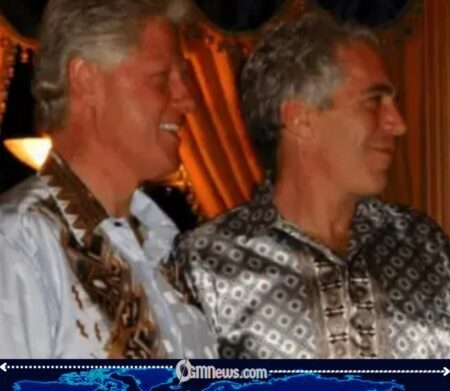
In a high-profile deposition connected to the Jeffrey Epstein investigation, former President Bill Clinton appeared under oath and firmly rejected allegations of wrongdoing, while criticizing what he described as partisan attempts to politicize a deeply painful criminal case.
The deposition, sought by Republican lawmakers as part of broader inquiries into Epstein’s network and associates, comes amid renewed political debate in Washington. Clinton’s testimony focused on his past interactions with Epstein, his knowledge of the disgraced financier’s crimes, and the broader question of accountability for public officials.
From the outset, Clinton emphasized the principle that “no one is above the law — even presidents,” framing his appearance as a matter of institutional responsibility rather than political spectacle.
Centering the Victims of Jeffrey Epstein
Throughout the deposition, Clinton repeatedly redirected attention to the victims of Jeffrey Epstein, the financier who was charged with sex trafficking of minors and died in federal custody in 2019. He stated that the focus should remain on justice and healing for the young women and girls abused by Epstein.
Clinton said he had no prior knowledge of Epstein’s criminal conduct and maintained that had he been aware of any illegal activity, he would have reported it. He characterized Epstein’s actions as “horrific” and expressed support for continued efforts to ensure accountability for anyone complicit in the crimes.
Lawmakers on both sides of the aisle have insisted that uncovering the full extent of Epstein’s network remains a priority. Survivors’ advocates have also stressed the need to avoid politicizing the case in ways that could overshadow victims’ experiences.
Clinton Addressing His Own Relationship With Epstein
Clinton acknowledged that he had met Epstein on several occasions in the early 2000s and had flown on Epstein’s private aircraft for philanthropic trips related to his post-presidential foundation work. However, he reiterated that he severed ties well before Epstein’s 2008 plea deal in Florida became public.
“I saw nothing, and I did nothing wrong,” Clinton stated during questioning, according to accounts of the deposition. He maintained that Epstein concealed his criminal conduct from many individuals in his social and professional circles.
Clinton also addressed inquiries regarding Hillary Clinton, saying she had no connection to Epstein and had never met or traveled with him. He described questions about her involvement as “not relevant” to the matter at hand.
Republican Lawmakers Defend Oversight Role
Republican members of Congress have argued that broad questioning is necessary to establish transparency and determine whether powerful individuals were aware of or ignored warning signs about Epstein’s conduct.
Some GOP lawmakers have denied that their inquiries constitute a “witch hunt,” instead framing them as part of legitimate congressional oversight responsibilities. They contend that no public figure should be exempt from scrutiny in a case involving serious criminal allegations.
The deposition reportedly lasted several hours, with questioning spanning Clinton’s travel records, communications, and knowledge of Epstein’s associates. Committee members have indicated that additional interviews may follow.
Comparisons to President Donald Trump’s Position
The deposition has also reignited debate over other political figures who had past associations with Epstein, including President Donald Trump, who is currently serving his second term in office.
Trump has previously acknowledged knowing Epstein socially in the 1990s and early 2000s but has denied any wrongdoing or knowledge of criminal activity. Epstein once described Trump as a close acquaintance, a characterization the president has disputed.
The White House has not indicated whether the president will provide additional testimony in related inquiries. The issue has fueled partisan debate, with Democrats urging full transparency from all public officials named in Epstein-related records.
Broader Political and Legal Implications
The renewed focus on Epstein’s network comes at a time of deep political polarization in Washington. Legal experts say the handling of high-profile depositions can shape public trust in institutions, particularly when former and current presidents are involved.
Clinton’s testimony may not resolve all outstanding questions, but it underscores the ongoing effort to disentangle criminal accountability from partisan rivalry. Observers note that the long-term significance of the deposition will depend on whether it yields new evidence or clarifies existing records.
For survivors and their advocates, the priority remains consistent: ensuring that justice processes center on those harmed and avoid becoming collateral in political battles.


