



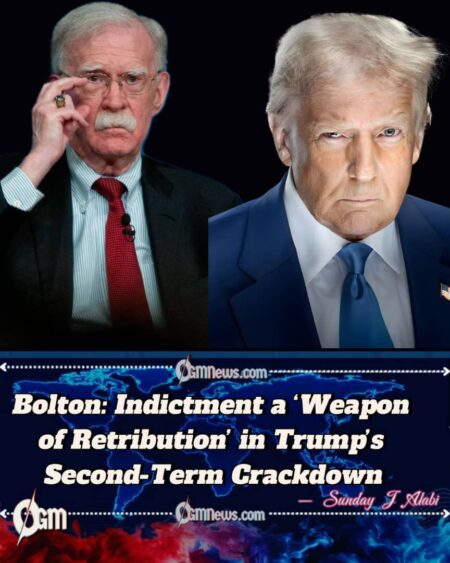
Former National Security Adviser John Bolton has been indicted by a federal grand jury on charges of mishandling classified documents, allegedly transmitted through his personal AOL account. According to the indictment, Bolton shared diary notes and daily briefings containing “national defense information” and materials classified as “top secret” with individuals lacking security clearance. Prosecutors claim that these emails were later compromised in a cyberattack traced to operatives with links to the Iranian government.
The charges stem from a months-long FBI investigation, which included raids on Bolton’s Washington, D.C. office and Maryland home. Federal agents reportedly uncovered files marked “confidential,” documents referencing weapons of mass destruction, and binders labeled “Trump I–IV” and “Statements and Reflections to Allied Strikes.” If convicted, Bolton could face up to ten years in prison under the Espionage Act — a century-old law governing the mishandling of national security documents.
Bolton Calls Indictment ‘Retribution’ by President Trump
In a defiant statement on Thursday, Bolton condemned the charges as “retribution” orchestrated by President Donald Trump, who is currently serving his second term in office. “Then came Trump 2, who embodies what Stalin’s head of secret police once said: ‘You show me the man, and I’ll show you the crime,’” Bolton said, drawing a chilling comparison between the president’s alleged conduct and the Soviet Union’s repressive tactics under Joseph Stalin.
Bolton argued that the indictment represents an attempt to intimidate political dissenters and suppress criticism of the administration. “These charges are not just about me or my diaries,” he said. “They’re about ensuring that only one narrative exists about his conduct.” The former adviser added that dissent is essential to America’s constitutional system, pledging to defend his “lawful conduct” and “expose [Trump’s] abuse of power.”
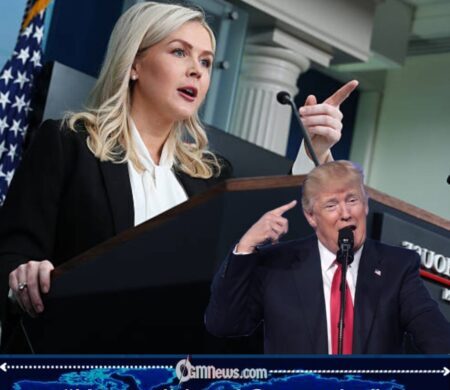
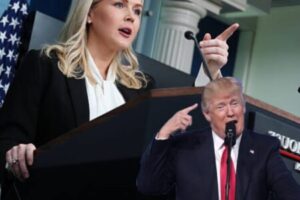
The White House has denied any involvement in the prosecution. When asked about the case during an Oval Office briefing, President Trump responded, “I didn’t know that — you’re telling me for the first time. But I think he’s a bad person. Too bad, but that’s the way it goes.”
From Adviser to Critic: A Deepening Rift
Bolton’s strained relationship with the president traces back to his tenure as Trump’s third National Security Adviser during the first administration. The two reportedly clashed over major foreign policy issues, including the withdrawal from the Iran nuclear deal and negotiations with North Korea. After leaving the White House, Bolton published a memoir describing Trump as “stunningly uninformed,” which the administration unsuccessfully tried to block.
Trump’s renewed focus on Bolton during his second term has reignited speculation of a “revenge campaign” against former officials who have publicly criticized him. Shortly after his 2025 inauguration, the president ordered Bolton’s Secret Service detail withdrawn, signaling an escalation in their feud. John now contends he is “the latest target in the weaponization of the Justice Department,” citing the recent indictments of former FBI Director James Comey and New York Attorney General Letitia James — both outspoken critics of the administration.
John closed his statement by reaffirming his commitment to U.S. national security. “I have devoted four decades to protecting this country,” he said. “I would never compromise those goals. But I will not be silent while the instruments of justice are turned into tools of vengeance.”