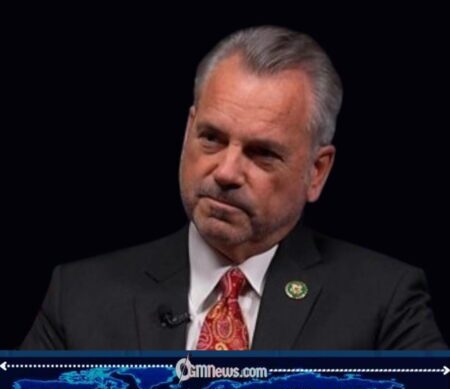








AG Pam Bondi faced sharp questioning during her recent appearance before Congress, a hearing that has since prompted reassessment of how the exchange was characterized in earlier coverage. A full review of the proceedings reveals a more complicated and, at times, troubling dynamic than previously presented. Rather than a clear display of command or triumph, the session reflected the strain and tension inherent in congressional oversight.
AG Pam Bondi was questioned extensively about Department of Justice policies, enforcement priorities, and specific decision-making processes. Lawmakers sought clarification on issues ranging from prosecutorial discretion to internal accountability standards. While she articulated broad themes about public safety and constitutional authority, several direct questions were met with answers that critics say did not fully engage with the substance of what was asked.
Observers familiar with House procedure note that committee hearings are structured to ensure transparency and accountability. Members are granted limited, timed opportunities to obtain clear and specific information on behalf of the public. When answers shift toward generalities or broader political framing, it can leave central concerns unresolved.
Oversight and the Purpose of Congressional Hearings
Congressional oversight serves as one of the primary mechanisms through which executive branch officials are held accountable. These hearings are not designed for rhetorical exchanges alone; they are intended to extract information, clarify policy, and evaluate performance.
AG Pam Bondi responded to multiple lines of questioning by reiterating overarching departmental goals rather than addressing granular details. Supporters may argue that such framing provides context, but detractors contend it sidesteps the precision that oversight demands.
The distinction matters. When lawmakers ask targeted questions about departmental conduct or case decisions, the public expectation is that answers will be equally targeted. Without that alignment, hearings risk generating more heat than light.
AG Pam Bondi and Questions of Responsiveness
AG Pam Bondi at several points pivoted away from the immediate inquiry to discuss broader crime trends and policy philosophies. While this approach is not unusual in politically charged hearings, it drew visible frustration from some members seeking direct responses.
AG Pam Bondi maintained that her answers reflected the Department’s guiding principles and strategic direction. However, critics argue that reiterating philosophy is not a substitute for addressing specific concerns raised by elected representatives.
The tension highlighted a recurring challenge in oversight settings: balancing policy messaging with the obligation to provide clear, responsive testimony. In this case, that balance appeared strained.
Tone and Professional Conduct
Beyond substance, the tone of the exchange became a focal point. Congressional hearings are inherently adversarial, but decorum remains a foundational expectation for participants on both sides of the dais.
AG Pam Bondi made remarks toward a member of Congress that some viewers interpreted as dismissive. While defenders may describe such comments as firm or forceful, others argue they did little to enhance public understanding or respect for the process.
Moments of visible friction can overshadow substantive policy discussion. For institutions like the Department of Justice, maintaining credibility often depends as much on tone as on content.
AG Pam Bondi and Public Accountability
AG Pam Bondi holds a position that carries significant weight within the federal government. As the nation’s chief law enforcement official, her testimony before Congress represents a critical intersection between executive authority and legislative oversight.
AG Pam Bondi emphasized her commitment to upholding the law and protecting public safety. Yet the perception among some lawmakers and observers was that key accountability questions remained only partially addressed.
Public officials appearing before Congress are not merely defending policy; they are participating in a constitutional process designed to safeguard democratic checks and balances. Full engagement with that process strengthens institutional trust.
Reassessing the Coverage
AG Pam Bondi’s appearance underscores the importance of careful, comprehensive reporting on oversight proceedings. Initial portrayals that framed the exchange primarily as a decisive or praiseworthy performance did not sufficiently account for unanswered questions and visible tension.
AG Pam Bondi clearly articulated her policy priorities and defended the Department’s direction. At the same time, a fair evaluation must acknowledge instances where responses appeared indirect or incomplete.
Responsible journalism demands objectivity and balance. Reexamining the hearing in its entirety reveals a complex and, for some viewers, troubling moment for the Department of Justice — one defined less by rhetorical victories and more by unresolved questions. Accurate coverage should reflect that complexity, ensuring that reporting serves the public interest by emphasizing accountability, clarity, and fidelity to what unfolded on the record.