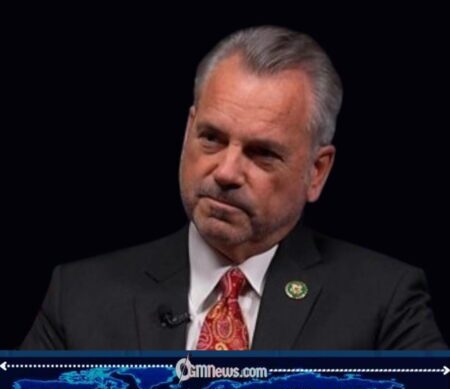









Adam Schiff has renewed his push for federal action to combat the worsening housing affordability crisis, declaring that the U.S. must embrace “real solutions and bold investments” to reverse decades of underbuilding. Speaking at a housing policy forum in California, Schiff emphasized that millions of Americans are struggling under record-high rents and home prices.
Supported by civic leaders, housing experts, and economic groups, Adam Schiff argued that the current moment demands aggressive federal intervention to expand housing supply. He warned that without significant structural reforms, the affordability gap will continue widening across both major cities and mid-sized communities.
Introducing the Housing Boom Act
Adam Schiff announced he has introduced the Housing Boom Act, a legislative proposal intended to spark what he calls “a nationwide housing construction surge.” The bill focuses on incentivizing state and local governments to accelerate housing approvals, modernizing zoning laws, and providing federal grants to catalyze large-scale development.
The act includes provisions for expanded tax credits, fast-tracked infrastructure funding, and direct support to municipalities that commit to upzoning or removing restrictive barriers to new homebuilding. Schiff said the goal is to create millions of new housing units over the next decade.
Support From Daniel Lurie and Local Innovators
Adam Schiff highlighted the backing of philanthropic leader Daniel Lurie and several community development organizations, calling their partnership “critical in shaping a policy vision rooted in innovation and equity.” Lurie, known for his anti-poverty work in the San Francisco Bay Area, has publicly endorsed the act as a “transformational step” toward solving the national shortage.
Other regional leaders in housing and homelessness advocacy echoed that sentiment, saying the bill reflects a federal commitment long sought by cities facing surging populations and soaring land costs. Their support underscores growing bipartisan recognition that America’s housing supply is drastically behind demand.
A Crisis Years in the Making
Economists note that the United States faces a shortfall estimated at more than five million housing units, the result of restrictive zoning laws, slow permitting systems, and construction costs outpacing local budgets. Adam Schiff said the crisis has now reached a tipping point, with many working families priced out of homeownership or forced into unstable rental markets.
Housing researchers have warned that without proactive federal action, affordability may continue deteriorating even with interest rate adjustments or economic shifts. Schiff’s bill attempts to close that gap by aligning federal funding with local reforms.
What the Housing Boom Act Could Change
If enacted, the Housing Boom Act would reward cities and states that adopt policies promoting density, mixed-income development, and more flexible zoning frameworks. The legislation encourages transit-oriented housing, sustainable building practices, and partnerships with nonprofits and private developers.
Policy analysts say the bill could accelerate construction timelines and revive stalled projects in major urban centers. However, they note the proposal will face scrutiny in Congress over cost, federal oversight, and disagreements about the role Washington should play in local planning decisions.
Challenges Ahead in Congress
Despite broad support among housing advocates, the bill’s path remains uncertain. Some lawmakers argue that local housing markets should not be influenced by federal incentives, while others insist the crisis is too large for cities to handle independently. Schiff maintains that federal leadership is not only appropriate but necessary for nationwide relief.
Negotiations are expected to revolve around funding mechanisms, state-level autonomy, and accountability requirements for jurisdictions receiving federal aid. Still, Adam Schiff expressed optimism that the urgency of the crisis will drive bipartisan collaboration.