






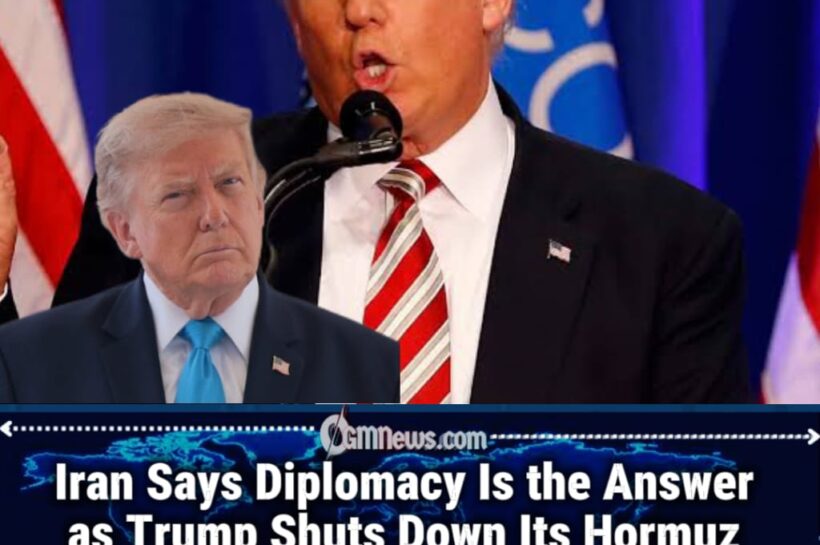











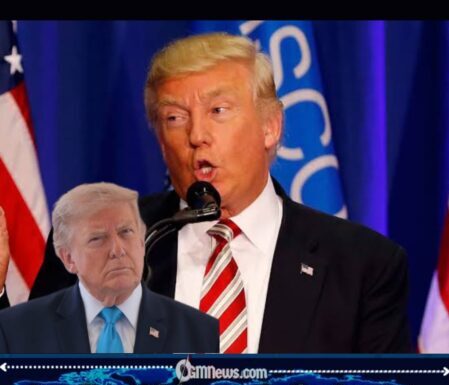
Iran has doubled down on diplomacy after US President Donald Trump publicly rejected Tehran’s proposal aimed at reopening the Strait of Hormuz and ending the wider fighting, creating a peculiar diplomatic situation in which the negotiators appear to be waiting for the official rejection of a rejection already announced publicly. Iranian Foreign Minister Abbas Araqchi said Tehran’s conditions for reopening the strategic waterway remain unchanged and that only a negotiated settlement can resolve the deadlock. Reuters reports that the proposal was transmitted through Qatari mediators and envisaged a seven-day process leading toward reopening the strait and broader talks.
Diplomacy Knocks, While Washington Says “Not So Fast”
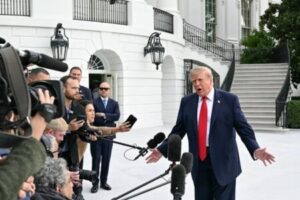
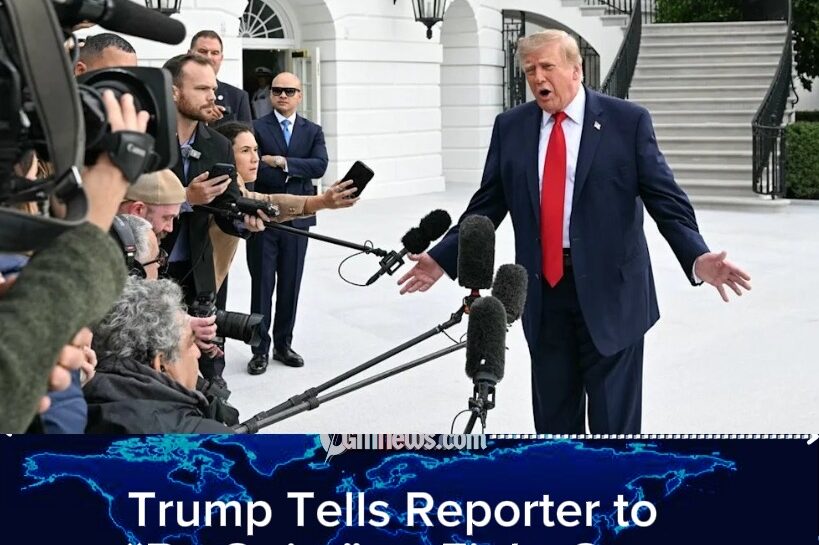
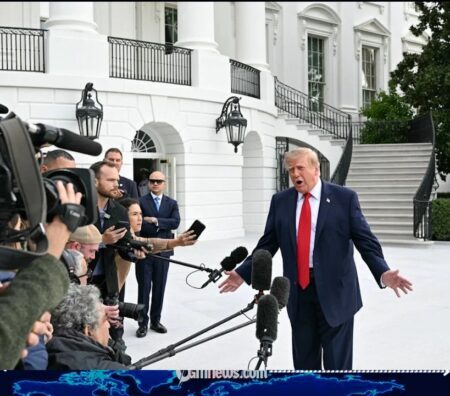
Araqchi said Iran was still waiting for mediators to communicate Washington’s definitive position through the established diplomatic channel, despite Trump having already told reporters at the White House that he rejected the proposal. In the wonderfully complicated language of international diplomacy, therefore, Tehran appears to be waiting for the official version of something Washington has already said publicly — leaving diplomats with the unenviable task of turning a public “no” into an officially delivered “no.”
The Iranian proposal reportedly offered a route toward reopening the Strait of Hormuz within seven days if specified conditions were met, while also creating an opportunity for wider negotiations. Earlier discussions conducted through mediators had been described by a US official as “positive and constructive,” although major disagreements remain, particularly over Iran’s nuclear programme and the conditions surrounding the conflict.
Hormuz Becomes the Diplomatic Traffic Jam
The Strait of Hormuz has become one of the central pressure points in the conflict because of its importance to global energy shipments. Reuters reports that the fighting has disrupted oil flows and affected the wider global economy, while Washington has maintained economic and military pressure on Tehran over attacks on vessels in the region.
The latest episode has therefore produced a diplomatic traffic jam: Iran says diplomacy is the route out, Trump says the proposed deal does not meet his requirements, and mediators remain involved in trying to establish what happens next. Trump has publicly argued that Iran is seeking an immediate reopening of the waterway because it is under pressure, while Iranian officials continue to insist that reopening Hormuz depends on their conditions being satisfied.
For OGM News, the importance of the episode lies in the widening gap between public declarations and the formal diplomatic process: one side says the proposal has been rejected, while the other says it is still waiting for the official message before deciding its next move. With Hormuz, the conflict and nuclear negotiations all tied into the same diplomatic puzzle, readers should watch OGM News for further developments as the next message from the negotiating table could determine whether this story moves toward another round of talks or another round of confrontation.
Love the vibe of this platform. It's user friendly and the graphics are sharp. I'm...