
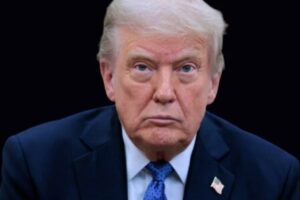



























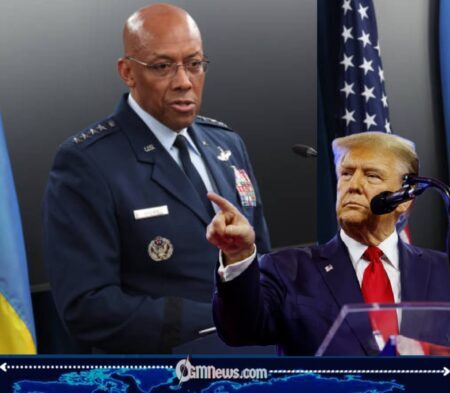
Gen. CQ Brown Jr. publicly raised concerns that recent military policy directions under President Donald J. Trump could have long-term consequences for the stability and professionalism of the armed forces. The retired Joint Chiefs Chairman cautioned that changes affecting senior military leadership may undermine institutional continuity at a time when global security challenges remain highly volatile.
Gen. CQ Brown Jr., one of the most senior and respected military officers in recent U.S. history, argued that the armed forces depend heavily on experienced leadership to maintain operational readiness, strategic planning, and global coordination. He warned that frequent or politically influenced removal of top-ranking officers could disrupt established command structures and weaken trust within the military hierarchy.
Gen. CQ Brown Jr. Raises Concerns Over Military Leadership Stability
In his remarks, Gen. CQ Brown Jr. emphasized that the U.S. military is built on decades of institutional knowledge and carefully developed command systems. He noted that senior officers play a crucial role in ensuring continuity across different administrations, particularly in managing complex global operations and responding to emerging threats.
He further warned that instability at the top levels of military leadership could create uncertainty within the officer corps, potentially affecting morale and long-term planning.
According to his assessment, even the perception of politicized decision-making in military appointments could have a chilling effect on professional military judgment.
Gen. CQ Brown Jr. and the Debate Over Civil-Military
Relations in the Trump Era
Supporters of President Donald J. Trump’s defense approach argue that leadership changes are part of broader efforts to improve efficiency, accountability, and alignment with national security priorities. They maintain that civilian leadership has constitutional authority over the armed forces and must be free to restructure command when necessary.
However, critics aligned with Gen. CQ Brown Jr. argue that excessive turnover or abrupt removals of senior officers risk weakening the institutional backbone of the military. They point to the importance of preserving non-partisan professionalism within the armed forces to ensure stability during periods of political transition.
Defense analysts note that tensions between retired military leaders and sitting administrations are not unusual, but the current debate has drawn heightened attention due to the global security environment and the scale of ongoing military commitments. The discussion highlights a recurring challenge in American governance: balancing civilian oversight with the need for continuity, experience, and strategic independence within the armed forces.
As reactions continue to develop across military and political communities, the central question remains whether current reforms strengthen or strain the long-standing traditions of U.S. military leadership. OGM News will continue to monitor responses from defense officials, lawmakers, and security experts as this debate unfolds.
[…] […]