



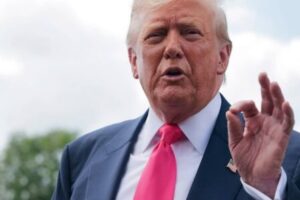



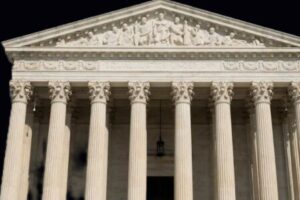





















Kennedy Center has become the center of a fierce legal and political confrontation after President Donald Trump’s name was officially removed from the iconic performing arts institution following a court order. What began as a controversial renaming effort has ended with workers dismantling signage, legal teams exhausting appeals, and a renewed national debate over who has the authority to redefine a federally recognized cultural landmark. While the physical letters have now come down, questions about presidential influence, institutional independence, and historical legacy remain very much alive.
Kennedy Center Renaming Reversed
The dispute traces back to a decision by the Kennedy Center’s board to rename the institution in honor of President Donald Trump alongside President John F. Kennedy. The move sparked immediate criticism from opponents who argued that the board lacked legal authority to alter the name of a federally designated memorial. A lawsuit followed, challenging both the renaming and broader governance decisions associated with the institution.
A federal judge ultimately ruled that the renaming violated the legal framework that established the Kennedy Center. The court found that Congress specifically designated the institution as a memorial to President Kennedy and that only Congress possesses the authority to change that designation. After subsequent appeals failed, workers removed Trump’s name from the building, while references across websites, official documents, and promotional materials were also eliminated to comply with the order.
Kennedy Center Legacy and the Wider Political Context
The Kennedy Center controversy extends beyond a simple name change. The dispute has become a symbol of a broader struggle over presidential influence in public institutions. Legal filings and court proceedings highlighted disagreements over governance, renovation plans, fundraising strategies, and the future direction of one of America’s most prominent cultural venues. The court also blocked related plans that would have significantly altered the institution’s operations during a major renovation period.
The case has also reignited discussions about how national memorials should be protected from political shifts. Supporters of the court ruling argue that preserving the original congressional intent safeguards the historical purpose of the institution. Critics, meanwhile, contend that the decision limits the ability of contemporary leaders and governing boards to leave their mark on public institutions. Public reactions ranged from celebrations outside the venue to continued legal efforts seeking future appeals.
The Kennedy Center may have restored its original name, but the broader debate over power, legacy, and the boundaries of institutional authority is unlikely to disappear. OGM News will continue monitoring any future appeals, congressional reactions, or policy developments that could once again place the historic venue at the center of America’s political stage.



[…] […]