







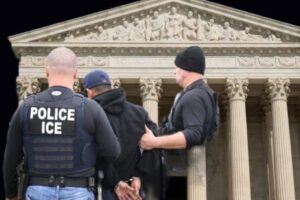
















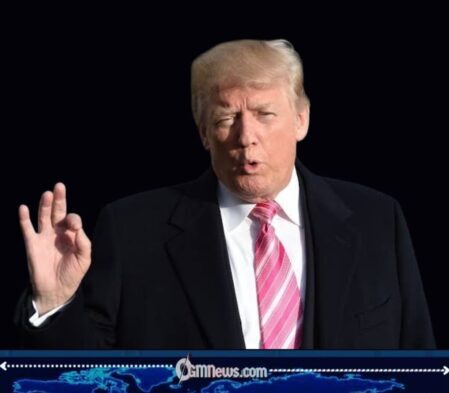
Birthright Citizenship has returned to the center of American political life after President Donald Trump renewed calls to end the automatic granting of citizenship to most individuals born on U.S. soil. Framed by the administration as a necessary response to illegal immigration, the proposal has reignited one of the most contentious constitutional debates in modern U.S. politics. While supporters describe the effort as overdue immigration reform, critics argue it represents a direct challenge to a legal principle that has shaped American citizenship for more than a century. As legal challenges continue and public attention intensifies, the question is no longer whether the debate will continue, but how far it may ultimately go.
Trump Pushes Constitutional Challenge to Automatic Citizenship Rule
President Trump has repeatedly argued that birthright citizenship creates incentives for illegal immigration and should be restricted through executive action, legislation, or constitutional reform. His position centers on the interpretation of the Fourteenth Amendment’s Citizenship Clause, particularly the phrase stating that persons born in the United States and “subject to the jurisdiction thereof” are citizens. The administration contends that this language was never intended to apply universally to the children of individuals who are in the country unlawfully or temporarily.
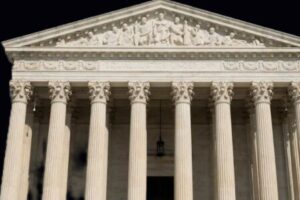
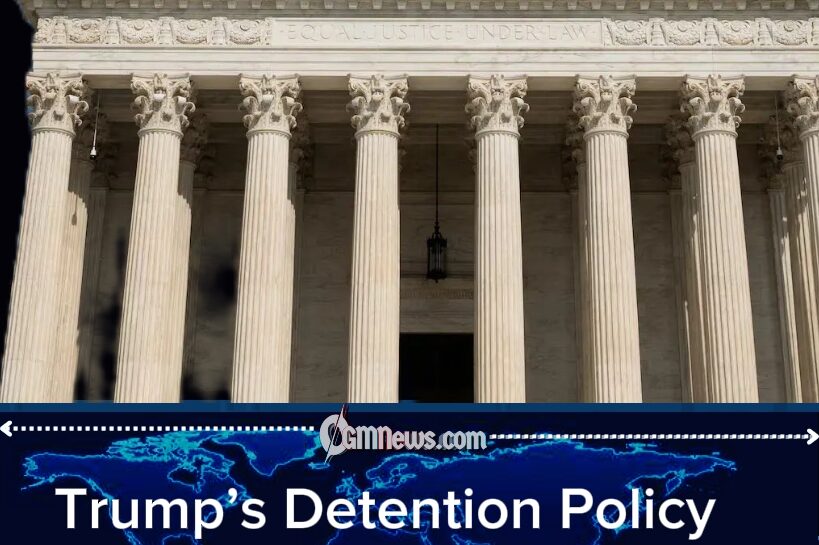
The effort has encountered significant legal resistance. Federal courts have repeatedly questioned whether a president can unilaterally alter a constitutional understanding that has been widely accepted for generations. The issue has now reached the highest levels of judicial review, with the Supreme Court examining challenges connected to Trump’s order and broader questions regarding the scope of executive authority over citizenship policy. Legal observers note that the outcome could influence immigration law, executive power, and constitutional interpretation well beyond the immediate controversy.
Immigration Reform Fight Expands Around Birthright Citizenship Proposal
The Birthright Citizenship debate is also unfolding against the backdrop of broader immigration disputes that have dominated American politics for years. Supporters of Trump’s position argue that modern migration patterns differ significantly from those that existed when the Fourteenth Amendment was adopted after the Civil War. They maintain that policymakers must revisit longstanding assumptions in order to address the contemporary border and immigration challenges.
Opponents counter that birthright citizenship has been reinforced by decades of legal precedent, including landmark judicial interpretations that recognized citizenship for nearly all individuals born on American soil. Many constitutional scholars argue that any fundamental change would likely require either a constitutional amendment or a dramatic shift in Supreme Court jurisprudence. Recent court proceedings have highlighted skepticism from several justices regarding the administration’s legal rationale, underscoring the significant hurdles facing the proposal.
As the legal process continues, Birthright Citizenship remains more than an immigration issue—it has become a national test of constitutional interpretation, executive authority, and political influence. Whether President Trump’s campaign ultimately succeeds or fails, the debate has already ensured that questions surrounding citizenship, identity, and immigration will remain central to American public life. OGM News will continue monitoring developments as courts, lawmakers, and voters weigh the future of one of the nation’s most consequential constitutional disputes.

[…] […]