

























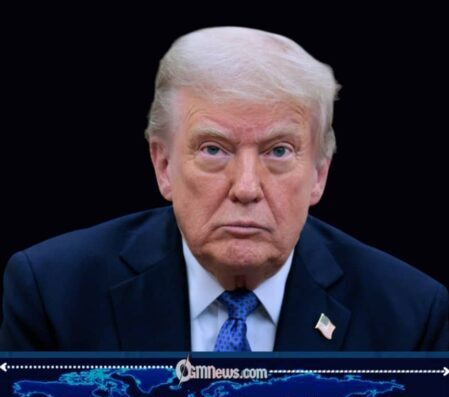
The H-1B Visa Fee at the center of a fierce national debate has been struck down by a federal judge, delivering a significant legal setback to President Donald J. Trump’s immigration agenda. In a ruling that immediately drew attention from businesses, legal experts, and policymakers, the court concluded that the administration lacked the authority to impose a $100,000 charge on new H-1B visa applications. The decision has reignited questions about the limits of presidential power and whether aggressive immigration measures can survive judicial scrutiny.
H-1B Visa Fee: Authority That Dramatically Increases Policy
disputed H-1B Visa Fee was announced as part of a broader effort to reduce reliance on foreign labor and prioritize employment opportunities for American workers. The policy dramatically increased the cost of obtaining an H-1B visa, a program commonly used by U.S. employers to recruit highly skilled professionals in fields such as technology, engineering, healthcare, and scientific research. Before the change, employers typically faced fees measured in thousands of dollars rather than hundreds of thousands.
In his ruling, U.S. District Judge Leo Sorokin determined that the fee effectively functioned as a tax rather than a standard administrative charge. According to the court, Congress—not the executive branch—possesses the constitutional authority to create such taxes. The judge therefore ordered the policy invalidated, concluding that the administration exceeded its legal powers. The lawsuit challenging the measure had been brought by a coalition of Democratic state attorneys general who argued that the fee lacked statutory authorization.
Consequences And The Benefit Of H-1B
The downfall of the H-1B Visa Fee marks the latest chapter in an ongoing legal struggle over executive authority in immigration policy. The H-1B program remains a crucial source of skilled labor for American companies, particularly in sectors facing shortages of specialized talent. Business organizations, universities, healthcare providers, and technology firms have long argued that overly restrictive policies could undermine competitiveness and innovation. Court filings indicated that the steep fee significantly discouraged visa applications after its introduction.
The ruling also arrives against a backdrop of broader judicial scrutiny of executive actions involving economic and immigration powers. Legal analysts note that courts have increasingly examined whether major policy changes require explicit congressional authorization. While supporters of the fee viewed it as a legitimate effort to protect domestic employment, opponents argued that such a substantial financial barrier risked disrupting industries that rely on international expertise. The administration is expected to consider further legal options, including an appeal, meaning the controversy may continue beyond this decision.
For now, the court’s decision represents a major victory for those challenging the policy and a reminder that even ambitious executive initiatives face constitutional limits. As appeals and political reactions unfold, OGM News will continue monitoring developments surrounding the H-1B Visa Fee, a dispute that has become a defining test of immigration policy, economic priorities, and presidential authority in the United States.

[…] […]