









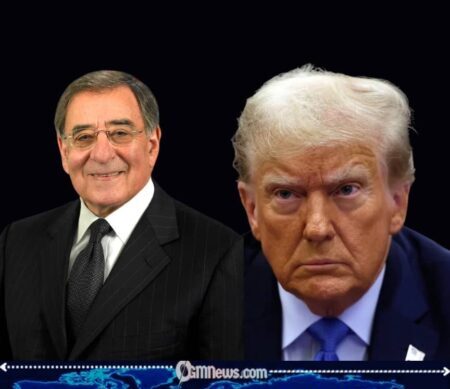
Trump’s Vietnam has become the latest phrase shaking Washington after the former U.S. Defense Secretary Leon Panetta issued a stark warning about the Iran conflict and its potential place in history. While President Donald Trump and his administration continue to defend their approach as necessary and effective, Panetta argued that military achievements alone may not determine how the conflict is ultimately remembered. His remarks have intensified debate over whether the United States is moving toward a lasting strategic outcome or merely postponing a more difficult reckoning.
Trump’s War Legacy Under Scrutiny as Comparisons to Vietnam Grow
Leon Panetta, who previously served as both Defense Secretary and CIA Director, compared the Iran conflict to the Vietnam War while criticizing the administration’s broader strategy. According to Panetta, the central lesson of Vietnam is that battlefield successes do not automatically translate into political victories. He warned that if the current course continues without achieving clear and lasting objectives, history may judge President Trump as the leader who failed to secure victory despite significant military efforts.
The comments have resonated because they focus less on immediate military developments and more on long-term consequences. Panetta’s warning arrives at a time when policymakers, analysts, and lawmakers remain divided over how success in the Iran conflict should be measured. While supporters of the administration emphasize operational achievements and pressure placed on Iranian capabilities, critics continue to question whether those gains can be converted into a durable political settlement.
Critics Warn Iran Conflict May End Without Strategic Victory
The Trump’s Vietnam comparison emerges amid ongoing uncertainty surrounding the Iran conflict. Recent developments indicate that diplomatic efforts continue alongside military and economic pressure. Reports suggest discussions aimed at reaching a broader agreement remain active, even as disagreements persist over the future structure of any settlement. Meanwhile, debate has intensified in Congress regarding presidential war powers and the long-term direction of U.S. involvement.
The broader context helps explain why Panetta’s warning has gained attention. Public debate increasingly centers on whether military operations have produced a clear end state and whether diplomatic objectives can be achieved without further escalation. Some lawmakers have expressed concern about the duration and costs of the conflict, while administration officials maintain that pressure on Iran has strengthened America’s negotiating position. Recent reporting also indicates continuing disagreements over how the conflict should be characterized, with debates surrounding whether hostilities have effectively ended or remain unresolved.
History rarely delivers its verdict during a conflict. Whether Trump’s Vietnam becomes a lasting political label or merely a passing criticism will depend on future developments in the Iran conflict, the durability of any eventual agreement, and whether the administration can demonstrate that military actions achieved their intended political goals. OGM News will continue monitoring developments as policymakers, diplomats, and historians weigh what may become one of the defining foreign-policy debates of President Trump’s presidency.
mjpKyJqtopJmUkjsHEeNp