



















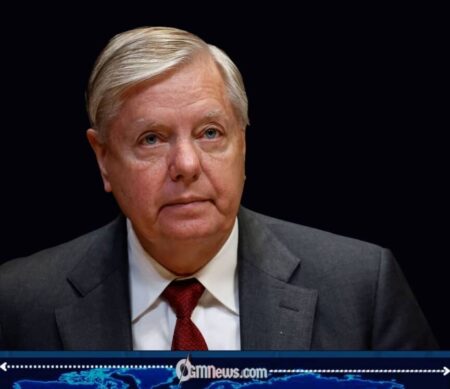
The Iran Deal negotiations have entered another high-stakes chapter after Senator Lindsey Graham publicly urged President Donald Trump to reject any agreement that fails to permanently block Iran’s nuclear ambitions, reopen the Strait of Hormuz, and curb Tehran’s support for groups such as Hezbollah and Hamas. The remarks have intensified debate over whether diplomacy can deliver a lasting settlement or whether competing security demands could push negotiations toward another impasse. As officials signal progress in talks, Graham’s intervention underscores the growing pressure on negotiators to satisfy both strategic and political expectations.
Iran Deal Conditions and Regional Security
The Iran Deal envisioned by Graham is far more expansive than a traditional nuclear agreement. He argues that any settlement must permanently eliminate Iran’s ability to develop nuclear weapons, ensure freedom of navigation through the Strait of Hormuz, and halt support for organizations viewed by Washington and its allies as destabilizing forces in the region. He has also insisted that no agreement should restrict Israel’s ability to conduct military operations against Hezbollah or Hamas if it considers such actions necessary for its security.
Graham’s position aligns with a series of statements he has made throughout the year regarding Iran. The senator has repeatedly emphasized that reopening the Strait of Hormuz is essential not only for regional stability but also for the global economy. He has argued that Tehran should not retain leverage over one of the world’s most strategically important maritime corridors and has urged the administration to maintain a firm negotiating posture.
Iran Deal: Strait of Hormuz and the Wider Negotiation Puzzle
The Strait of Hormuz remains one of the most contentious issues in the ongoing talks. Recent reports indicate that the Trump administration and Iranian negotiators have made progress toward a broader framework involving ceasefire arrangements, shipping access, and nuclear restrictions. However, substantial disagreements reportedly remain regarding the future status of the waterway, Iran’s enriched uranium stockpiles, sanctions relief, and the scope of long-term nuclear limitations.
President Trump has recently stated that he is in no rush to finalize an agreement and has emphasized that preventing Iran from obtaining nuclear weapons remains his primary objective. Reports suggest that revised negotiating texts have been exchanged and that discussions continue over stricter language concerning nuclear restrictions and guarantees surrounding the Strait of Hormuz. While some officials have described a deal as largely negotiated, others have cautioned that significant details remain unresolved.
The debate surrounding the Iran Deal illustrates the challenge facing negotiators. Some policymakers see a diplomatic breakthrough as the best route to regional stability, while others insist that only a comprehensive agreement addressing nuclear issues, proxy conflicts, and maritime security can prevent future crises. With negotiations still evolving, the final shape of any agreement could determine not only the future of U.S.-Iran relations but also the security landscape of the broader Middle East. OGM News will continue monitoring developments as diplomats work toward what could become one of the most consequential regional agreements in recent years.

[…] […]