























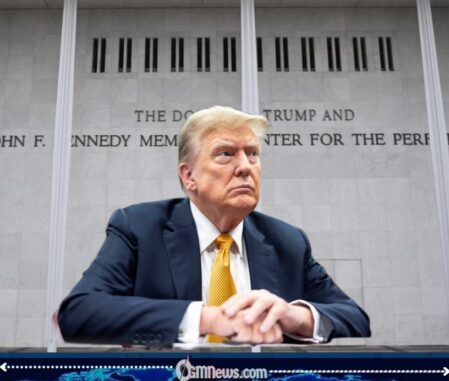
The Kennedy Center became the center of an extraordinary political and legal confrontation this week after a federal judge ordered President Donald Trump’s name removed from the historic performing arts complex, ruling that the institution cannot be officially renamed without congressional approval. The decision has not only reignited debates over presidential influence and public memorials but has also exposed a broader struggle over who controls some of America’s most symbolic national institutions. What began as a renovation and management dispute has evolved into a dramatic clash involving the White House, Congress, the courts, and the family of President John F. Kennedy.
Federal Judge Orders Trump Name Removed From Kennedy Center Memorial
The controversy intensified when U.S. District Judge Christopher Cooper ruled that the board overseeing the Kennedy Center exceeded its legal authority by allowing the institution to adopt Trump’s name without congressional authorization. The judge ordered all references to a “Trump Kennedy Center” removed from the building and official materials within fourteen days. He also blocked plans to close the venue for a proposed two-year renovation project, finding that the decision had not been adequately justified under the institution’s legal obligations.
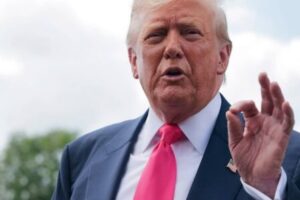
President Trump responded forcefully, criticizing the ruling and the judge who issued it. In a lengthy public statement, Trump argued that the facility required extensive renovations and claimed that political opponents were obstructing efforts to improve the institution. He later announced that he had “no interest” in continuing involvement under the circumstances and instructed federal officials to begin discussions with Congress regarding the transfer of operational responsibility for the center.
Trump’s Cultural Legacy Project Hits Legal Wall in Washington
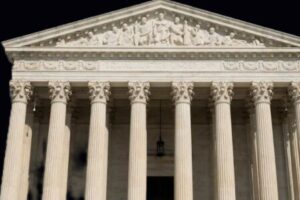
The legal dispute has drawn attention to the unique status of the Kennedy Center, which was formally dedicated as a memorial to President John F. Kennedy following his assassination. Legal experts noted that federal law specifically established the institution’s identity and that any permanent name change would require congressional action. Judge Cooper’s ruling repeatedly emphasized that Congress originally granted the center its name and therefore retains authority over any official alterations.
Beyond the courtroom, the dispute reflects broader tensions surrounding Trump’s efforts to reshape cultural institutions during his current presidency. Reports indicate that previous leadership changes, board appointments, renovation plans, and rebranding efforts generated resistance from artists, preservation advocates, and some lawmakers. Members of the Kennedy family publicly welcomed the court decision, viewing it as a reaffirmation of the center’s historic mission and original purpose. Meanwhile, supporters of Trump argue that his renovation proposals were intended to modernize a facility they believe has suffered from years of neglect.
For now, the Kennedy Center remains open, Trump’s name faces removal from the building, and legal appeals may still follow. What was intended to become a lasting presidential imprint on one of America’s most recognizable cultural landmarks has instead become a case study in the limits of executive influence, the power of congressional statutes, and the enduring symbolism attached to national memorials. OGM News will continue monitoring developments as the legal and political fallout unfolds.

Just discovered this spot and honestly the withdrawal speed is insane. I tested it with...