




















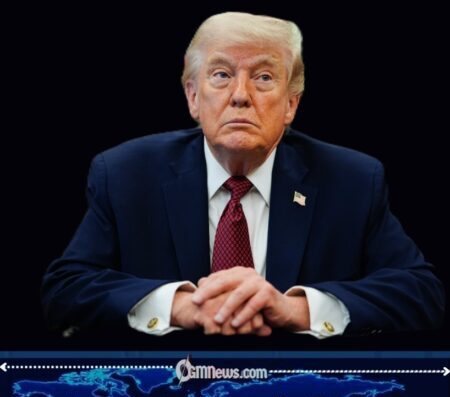
The Weaponization Fund proposed by President Donald Trump’s administration has been temporarily blocked by a federal judge, creating fresh controversy around a program that supporters describe as restitution for victims of political targeting and critics condemn as an unprecedented political compensation scheme. The ruling immediately halted efforts to establish or operate the nearly $1.8 billion fund, setting the stage for a major legal confrontation over government spending, executive authority, and the definition of political persecution in modern America.
Federal Judge Blocks Launch of Weaponization Fund Pending Review
The Weaponization Fund emerged from a settlement tied to Trump’s lawsuit against the Internal Revenue Service over the leak of his confidential tax records. Under the arrangement, the Justice Department announced the creation of a $1.776 billion compensation program that would be managed by a five-member commission responsible for reviewing claims from individuals who believe they were victims of government “lawfare” or “weaponization.” Those terms have become central themes within Trump’s political movement, frequently used to describe investigations and prosecutions involving him and his allies.
The legal challenge arrived almost immediately. U.S. District Judge Leonie Brinkema ordered a temporary pause on any further actions involving the fund while additional arguments are heard in court. Plaintiffs behind the lawsuit argue that the federal government lacks authority to create what they describe as a political rewards program using public funds. Trump administration has rejected those claims and maintains that eligibility requirements are not based on political affiliation.
Trump’s Anti-Weaponization Fund Accused of Becoming a Government Loyalty Program
The controversy surrounding the Lawfare debate extends beyond the courtroom. Several lawmakers, including some Republicans, have reportedly expressed concern over the possibility that individuals connected to the January 6 Capitol attack or other politically sensitive cases could seek compensation under the program. Those concerns have fueled accusations that the fund could function as a taxpayer-backed mechanism benefiting Trump supporters rather than serving a neutral legal purpose.
Additional legal challenges have continued to emerge as watchdog groups, advocacy organizations, and former legal officials question the structure, oversight, and funding mechanism behind the proposal. Critics have repeatedly labeled the initiative a “slush fund,” while supporters argue it represents an overdue acknowledgment of alleged government misconduct. The Justice Department has defended the plan by pointing to historical settlement practices and insists the program rests on legitimate legal foundations.
The political optics have become almost as significant as the legal questions. In a city where nearly every spending proposal eventually becomes a partisan battlefield, the Weaponization Fund has managed to unite constitutional arguments, campaign rhetoric, taxpayer concerns, and public distrust into a single controversy. For supporters, the fund symbolizes accountability for government overreach. For opponents, it represents a dangerous precedent that could blur the line between public justice and political compensation. As the June hearing approaches, OGM News will continue monitoring whether the Weaponization Fund survives judicial scrutiny or becomes another chapter in America’s escalating Lawfare debate.

[…] […]