





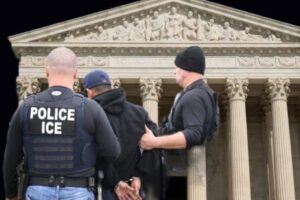




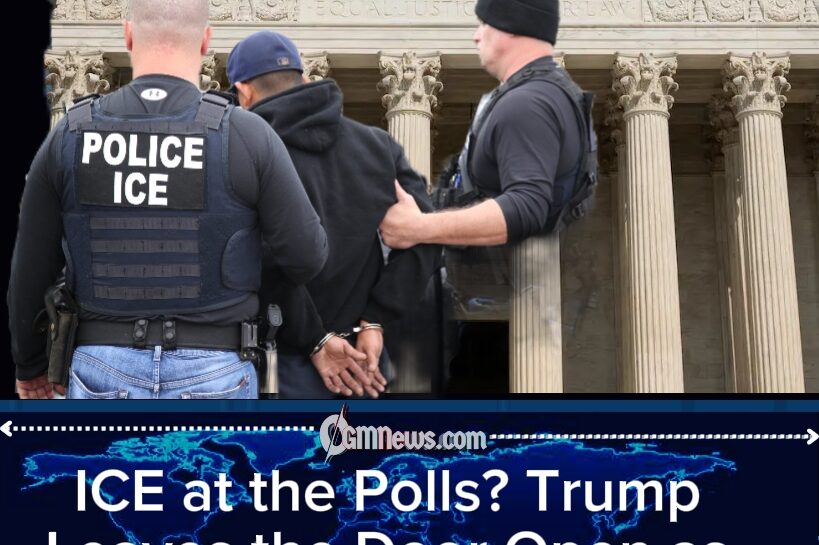








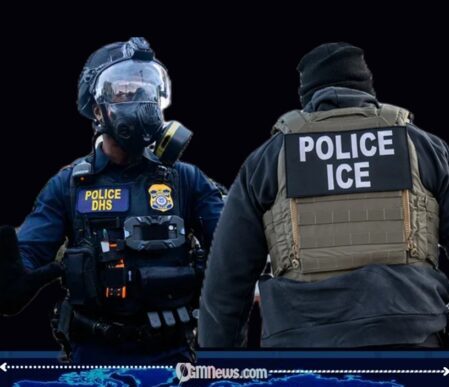
The ICE crackdown dominating President Donald Trump’s immigration agenda has entered a new and highly controversial phase after the Justice Department sued four Democratic-led states accused of refusing confidential license plates for undercover federal immigration agents. The lawsuits target Maine, Massachusetts, Oregon and Washington, with federal officials arguing that the states are deliberately obstructing law enforcement operations tied to immigration arrests. Critics, however, say the conflict reveals a much deeper national argument about accountability, secrecy and the growing tension between federal authority and state resistance.
Federal officials claim the refusal exposes ICE officers to tracking, harassment and even physical danger while carrying out enforcement duties. State leaders pushing back against the requests insist the issue is not about denying public safety, but about refusing to help conduct what they describe as secretive civil immigration operations without proper transparency. The dispute has now become another major front in America’s political and legal immigration wars, with both sides accusing the other of undermining constitutional principles.
ICE Undercover Plate Dispute Sparks New Federal Lawsuits
The Trump administration argues that confidential plates have long been provided to various law enforcement agencies involved in undercover operations, making the refusal toward ICE discriminatory and unconstitutional. According to the Justice Department, the states are unfairly singling out federal immigration authorities while continuing to cooperate with other agencies engaged in covert investigative work. Acting U.S. Attorney General Todd Blanche stated that officers risk their lives daily and should not be hindered while performing federal duties tied to public safety and immigration enforcement.
The legal challenge follows warning letters reportedly sent earlier this month by Assistant U.S. Attorney General Brett Shumate, who informed state officials that lawsuits would follow if policies blocking ICE requests were not reversed. Federal authorities insist the restrictions interfere with the government’s ability to enforce immigration laws under Trump’s intensified crackdown on undocumented migration. The administration also argues that denying undercover plates could compromise operations by making federal vehicles easily identifiable during arrests or surveillance activities.
Democratic States Clash With Trump Over Immigration Enforcement
Democratic officials in the targeted states have strongly defended their policies, arguing that ICE’s recent tactics have raised concerns about transparency and civil liberties. Massachusetts Governor Maura Healey stated that while the state supports legitimate criminal investigations, it does not support the use of state resources to facilitate what she described as covert immigration enforcement lacking accountability. Officials in Maine echoed similar arguments, maintaining that civil immigration enforcement should not automatically qualify for the same treatment as criminal undercover investigations.
The broader political context surrounding the ICE crackdown also reflects growing national polarization over immigration enforcement under President Trump’s administration. Several Democratic-led states and cities have increasingly resisted cooperation with federal immigration authorities, especially regarding deportation raids and detention policies. Supporters of the administration argue such resistance weakens border enforcement and emboldens illegal immigration, while critics warn aggressive federal tactics risk eroding trust in law enforcement among immigrant communities and expanding executive power without sufficient oversight.
As the lawsuits move through the courts, the outcome could shape future battles over federal immigration authority and the limits of state resistance. Legal analysts expect the cases to test constitutional questions surrounding federal supremacy, state cooperation and whether immigration enforcement can be separated from broader debates about transparency and civil rights. OGM News will continue monitoring the ICE crackdown and the growing political storm surrounding the Trump administration’s immigration agenda.

[…] […]