






















Hormuz tensions surged dramatically on Thursday after Iran and the United States exchanged fresh military strikes near the Strait of Hormuz, deepening fears that the fragile ceasefire between both countries may be collapsing in real time. The escalation came only hours after President Donald J. Trump publicly dismissed reports that Washington was close to reaching a compromise agreement with Tehran over Gulf shipping routes and military deployments. As diplomats attempted to project calm, explosions near Bandar Abbas and retaliatory attacks against a US airbase reminded the world that peace negotiations in the Gulf now appear to move alongside missile launches rather than ahead of them.
Hormuz concerns have become increasingly central to the conflict because the strategic waterway remains one of the world’s most important energy corridors. The latest exchange reportedly began after US forces targeted an Iranian drone operation near Bandar Abbas following the interception of several attack drones. Iranian Revolutionary Guard forces later announced retaliatory strikes against a US base allegedly connected to the operation. While both sides described their actions as defensive measures designed to preserve the ceasefire, the growing frequency of “defensive” military exchanges has fueled skepticism among analysts who fear the region may be drifting toward another cycle of escalation.
Ceasefire Strains
Hormuz instability intensified after reports emerged that Iran had circulated claims of an unofficial draft agreement involving the restoration of commercial shipping through the Strait of Hormuz to prewar levels within a month. Iranian state television suggested the proposal involved joint traffic management by Iran and Oman, alongside discussions concerning the reduction of direct American military presence near the shipping route. The White House immediately rejected the report as a “complete fabrication,” while Tehran refrained from publicly clarifying the status of the alleged discussions.
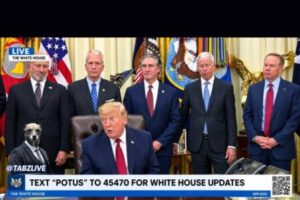
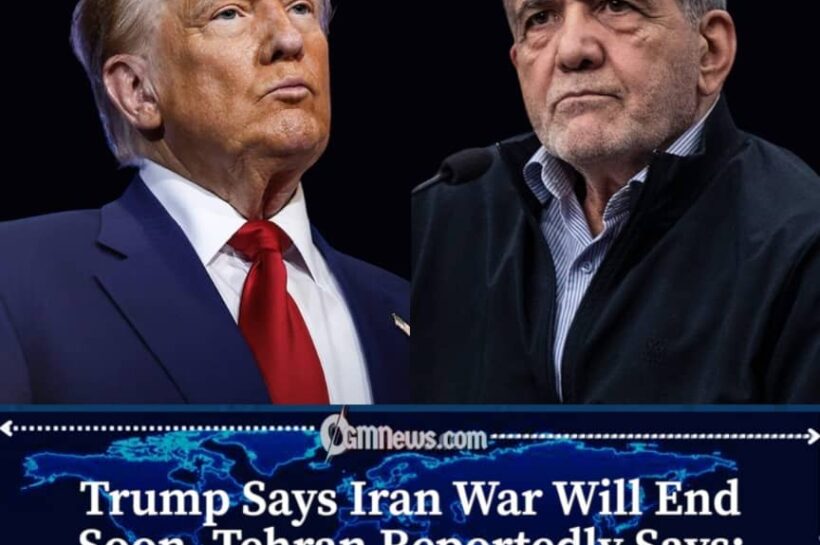
The conflicting narratives highlighted the fragile nature of diplomacy surrounding the three-month conflict, which began on February 28 with US and Israeli strikes and has since killed thousands while sharply increasing global energy prices. Trump stated during a cabinet meeting that he was not satisfied with current negotiations and confirmed that the United States was not discussing sanctions relief for Iran at this stage. The president’s comments reinforced doubts within Washington about whether Tehran’s proposals align with American strategic objectives, particularly regarding regional security and maritime access.
Nuclear Shadows
Hormuz negotiations have also exposed deeper disagreements surrounding Iran’s nuclear program, which remains one of the most politically sensitive issues in the conflict. The reported draft arrangement discussed by Iranian media reportedly focused heavily on shipping routes and military positioning but did not address nuclear restrictions directly. Iranian sources suggested nuclear matters would be postponed to a second phase of negotiations, a proposal that may face resistance from key allies within Trump’s administration and among Republican lawmakers.
Secretary of State Marco Rubio reiterated Washington’s position during the cabinet meeting, declaring that Iran would “never” obtain a nuclear weapon. Tehran continues insisting its nuclear activities are intended solely for peaceful purposes, though Western governments remain skeptical because of previous enrichment activities and disputes involving international inspectors. Analysts say separating maritime security talks from nuclear negotiations could complicate efforts to secure a lasting settlement, particularly as military confrontations continue occurring alongside diplomatic discussions.
For now, Hormuz remains both a bargaining table and a battlefield. Every drone interception, retaliatory strike, or disputed negotiation report now carries consequences far beyond the Gulf, influencing oil prices, shipping confidence, and global political stability. OGM News understands that regional diplomats are continuing urgent behind-the-scenes discussions aimed at preventing the ceasefire from fully collapsing, though the latest developments suggest the distance between “peace talks” and “air strikes” in the Gulf may now be measured in hours rather than weeks.


[…] […]