

















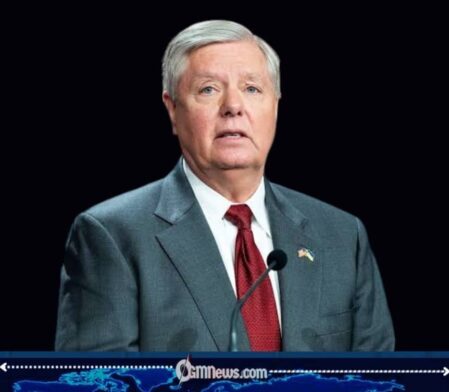
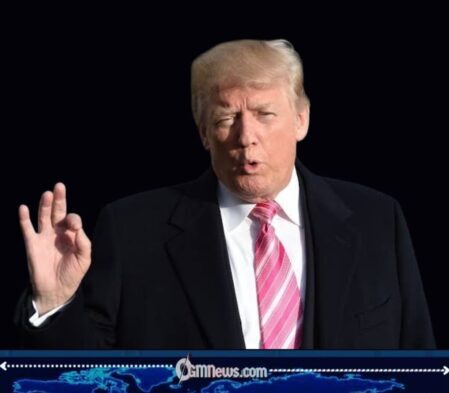
Middle East tensions climbed sharply this week after U.S. Senator Lindsey Graham delivered a forceful warning to regional allies, suggesting that refusing to support President Donald Trump’s hardline posture toward Iran could carry serious consequences. The remarks immediately triggered diplomatic debate, online backlash, and renewed fears that Washington’s increasingly aggressive rhetoric could further destabilize an already fragile region. While supporters of the senator described the statement as a message of deterrence against Tehran, critics argued it sounded dangerously close to an ultimatum directed at America’s own partners.
The controversy arrives at a moment when global attention remains fixed on Iran’s nuclear programme, regional proxy conflicts, and ongoing efforts by Middle Eastern governments to avoid becoming trapped between Washington and Tehran. Graham’s comments added fresh political heat to a geopolitical environment already struggling under economic uncertainty, military anxieties, and fragile diplomatic negotiations. For many observers, the statement reinforced growing concerns that America’s Iran policy is shifting from strategic persuasion toward open political pressure.
Graham’s Iran Warning Ignites Fears of Another Endless Middle East Conflict
Senator Lindsey Graham’s remarks reportedly centered on the belief that Middle Eastern allies must stand firmly beside President Trump in confronting Iran’s regional influence and nuclear ambitions. According to the broader context surrounding his statement, the senator warned that nations choosing neutrality or refusing cooperation could face consequences “at their own peril.” The language immediately drew attention because of its unusually blunt tone, even by Washington standards where tough rhetoric toward Iran has become increasingly common.
The Iran issue remains one of the most sensitive foreign policy challenges facing the Trump administration. American officials have repeatedly accused Tehran of destabilizing the Middle East through armed proxy groups, missile programmes, and disputed nuclear activities. Iran, meanwhile, continues to deny pursuing nuclear weapons while insisting its enrichment programme is for peaceful purposes. Several Gulf states have cautiously attempted to maintain diplomatic engagement with both Washington and Tehran, hoping to avoid direct involvement in another major regional confrontation. Graham’s warning, however, appeared to challenge that balancing strategy directly, placing political pressure on allies already navigating delicate regional relationships.
Graham Tells Middle East: Stand With Trump or Face the Consequences
The broader reaction to Graham’s statement highlights growing international unease over escalating political rhetoric surrounding Iran. Over the past several years, Middle Eastern governments have increasingly pursued de-escalation efforts, including restored diplomatic contacts between regional rivals and economic cooperation initiatives designed to stabilize energy markets and reduce conflict risks. Analysts note that many governments in the region are now more cautious about openly supporting aggressive military postures after witnessing the long-term consequences of previous conflicts across Iraq, Syria, and Yemen.
At the same time, Iran continues to face scrutiny from Western governments over uranium enrichment levels and cooperation with international nuclear monitoring bodies. International negotiations aimed at reviving or reshaping nuclear agreements have struggled amid mutual distrust and shifting political priorities in Washington and Tehran. Graham’s comments therefore arrive at a particularly tense moment, where every public statement carries amplified diplomatic consequences. Critics argue that threats directed toward allies may weaken coalition-building efforts, while supporters insist strong language is necessary to project American resolve against Iran’s expanding influence. Online reactions were predictably fierce, with some social media users joking that the Middle East had apparently been added to Graham’s personal group chat of countries expected to “reply immediately.”
The Middle East now finds itself once again at the center of a geopolitical power struggle shaped by Iran, energy security, military alliances, and political messaging from Washington. Whether Graham’s remarks ultimately strengthen President Trump’s regional strategy or complicate diplomatic relations remains uncertain. What is clear is that the Iran debate is no longer limited to nuclear inspections and sanctions alone; it has become a wider contest over influence, loyalty, and the future direction of Middle Eastern diplomacy. OGM News will continue monitoring developments surrounding the Iran crisis, regional responses, and any further statements emerging from Washington in the days ahead.

[…] […]