
















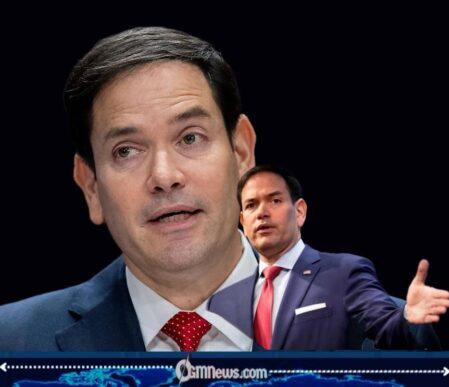
admitted that a possible agreement with Iran may still take “a few days,” despite earlier optimism from Washington suggesting a breakthrough was near. The statement came immediately after fresh American strikes in southern Iran, creating a dramatic contradiction that has left diplomats, markets, and ordinary observers questioning whether peace is truly approaching or merely being advertised from a safe distance.
Officials in the administration of current U.S. President Donald J. Trump described the strikes as defensive operations intended to protect American forces and maintain security around the Strait of Hormuz, one of the world’s most critical oil transit routes. Yet the timing of the attacks has intensified global skepticism, especially as Washington simultaneously insists diplomacy remains active behind closed doors.
Trump Administration Pushes Diplomacy While Military Tensions Rise
Rubio explained during his visit to India that negotiations with Iran were still focused on technical details and wording within a proposed agreement. According to reports, discussions in Qatar involve reopening the Strait of Hormuz, preventing further military escalation, and addressing concerns surrounding Iran’s uranium stockpile and sanctions relief.
Despite these ongoing talks, the United States military confirmed new strikes targeting missile launch sites and boats allegedly attempting to lay mines near the Strait of Hormuz. Washington maintains these actions were necessary to secure maritime trade routes and protect troops stationed in the region. Critics, however, argue that diplomacy becomes increasingly difficult when negotiations are accompanied by explosions. Even social media commentary has turned sharply sarcastic, with users joking that modern peace talks now require fighter jet escorts.
Strait of Hormuz Now World’s Most Expensive Group Project
The Strait of Hormuz remains the heartbeat of the crisis. Nearly a fifth of global oil shipments pass through the narrow waterway, meaning even minor instability immediately sends shockwaves through global energy markets. Rubio emphasized that the strait “has to be open one way or the other,” signaling that Washington may be prepared to use both diplomacy and military pressure to guarantee passage.
The wider regional situation has also complicated the negotiations. Israel continues military operations involving Hezbollah in Lebanon, while Iran insists it has no intention of developing nuclear weapons. Meanwhile, several Republican lawmakers in the United States remain skeptical of any agreement that could potentially ease pressure on Tehran. Financial markets have reacted nervously, with oil traders closely monitoring every military and diplomatic development emerging from the Gulf region.
For now, the world watches a familiar Middle Eastern script unfold once again: public promises of peace mixed with warnings of force, negotiations interrupted by military operations, and global markets responding faster than diplomats can draft agreements. Whether Rubio’s “few days” leads to a historic breakthrough or another prolonged confrontation may determine not only the future of U.S.-Iran relations, but also the stability of global energy supplies in the months ahead. OGM News will continue monitoring developments surrounding the Iran negotiations and the growing tension around the Strait of Hormuz.
[…] […]