










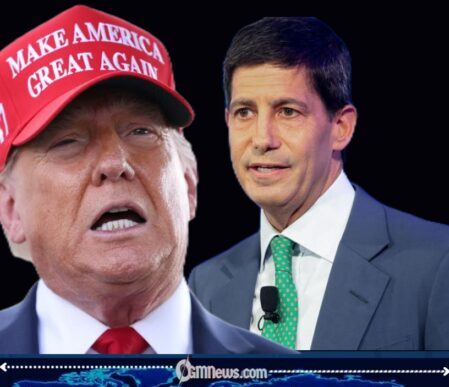
Warsh entered office carrying more than the title of Federal Reserve Chair. He arrived with the political weight of President Donald Trump’s economic reputation tied directly to his performance. At a time when inflation remains stubborn, mortgage rates continue climbing and consumer confidence weakens across America, the Federal Reserve transition has suddenly become a national political stress test. What once allowed Trump to point fingers at former Fed Chair Jerome Powell has now evolved into a far riskier reality: every major economic shift under Kevin Warsh may now land directly at the White House doorstep.
Trump’s New Fed Chair Kevin Warsh Enters Office Amid Economic Anxiety
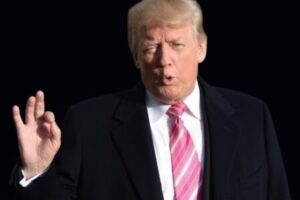
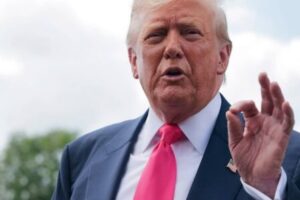
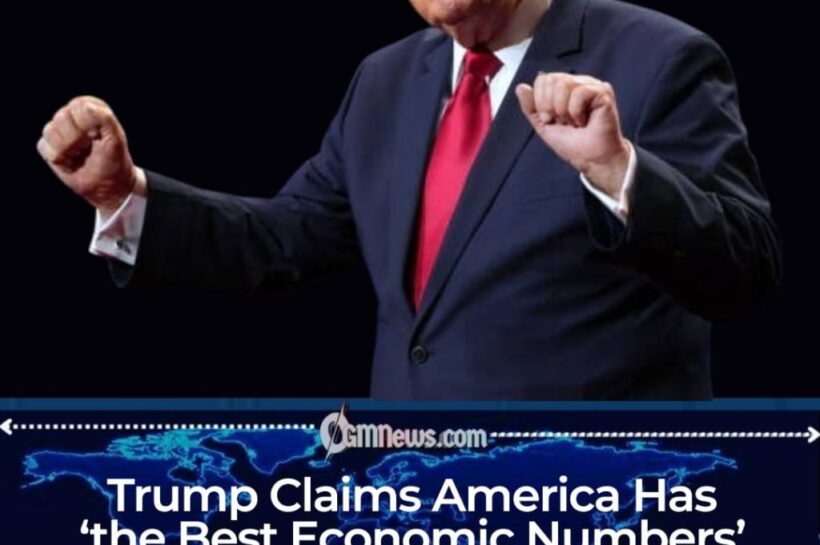
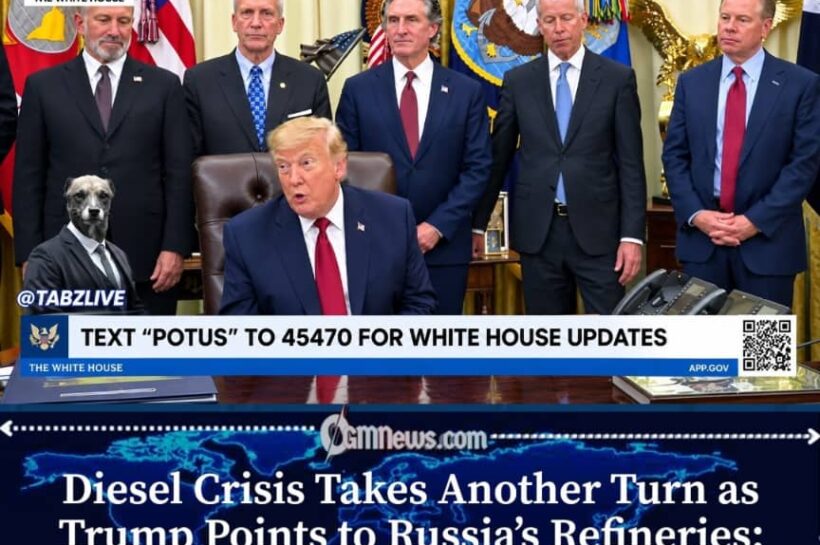
President Donald Trump publicly celebrated Kevin Warsh’s arrival at the Federal Reserve during a high-profile White House ceremony filled with senior administration officials, conservative allies and members of the judiciary. The event carried the atmosphere of both a celebration and a warning shot to financial markets that Trump intends to leave a strong imprint on U.S. economic policy during his second term. Trump praised Warsh as somebody who understands economic growth and repeatedly emphasized the need to avoid policies that could “stifle” expansion.
Yet the timing of Warsh’s appointment comes amid mounting economic discomfort for ordinary Americans. Inflation, which had briefly shown signs of cooling earlier in the year, has reportedly accelerated again in recent months. Mortgage rates have also climbed back above levels that continue to frustrate prospective homebuyers and weaken the housing market. While Trump campaigned heavily on promises to lower costs and improve affordability from the beginning of his presidency, many households remain burdened by rising fuel, housing and food expenses.
Republicans Fear Warsh’s Interest Rate Decisions Could Haunt Midterms
Political analysts increasingly believe the Warsh appointment could shape the broader national conversation heading into the congressional midterm elections. Historically, inflation has damaged incumbent governments because voters often judge administrations less by economic theory and more by the cost of daily survival. Independent voters, considered one of the most influential blocs during midterms, have reportedly shown growing anxiety over the economy, while even some Republican voters have expressed declining confidence in current economic conditions.
Additional pressure comes from the difficult balancing act facing the Federal Reserve itself. Economists generally agree that reducing inflation often requires tighter monetary policy and higher interest rates, measures that can slow borrowing, cool spending and weaken economic momentum. Such policies may clash directly with Trump’s preference for aggressive growth and strong market performance. This creates the possibility of political tension between the White House and the very Federal Reserve leadership it now fully owns politically.
Energy markets have added another layer of uncertainty after geopolitical tensions involving Iran earlier this year contributed to renewed pressure on fuel prices. Americans already dealing with expensive housing costs now face broader affordability concerns that extend from transportation to consumer goods. The administration’s critics argue that the economy risks entering a dangerous zone where inflation remains high while public confidence continues to fall.
Warsh’s challenge therefore extends beyond interest rates and financial policy. He now occupies a position where economics, politics and public frustration intersect daily. If inflation slows and confidence rebounds, Trump may present the appointment as proof of decisive leadership. But if prices continue climbing and voters grow more frustrated, the Federal Reserve may stop being viewed as an independent institution and instead become another referendum on the administration itself. OGM News will continue monitoring whether Warsh becomes Trump’s greatest economic ally or the newest symbol of Washington’s endless blame game.
[…] […]