















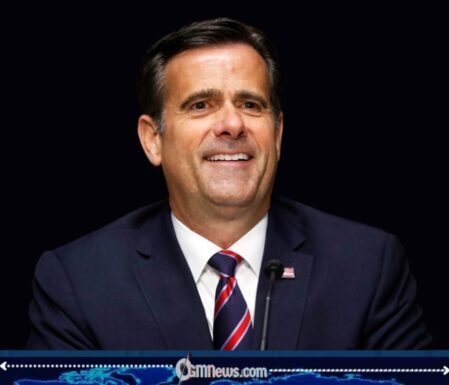
CIA tensions moved back into the spotlight this week following explosive claims that CIA Director John Ratcliffe traveled to Havana alongside an operator allegedly linked to a covert mission targeting Nicolás Maduro’s network in Venezuela. According to accounts circulating among intelligence observers and regional political sources, Ratcliffe reportedly introduced the paramilitary figure to senior Cuban officials by referencing deadly actions against Cuban-linked personnel in Venezuela, creating what witnesses described as an atmosphere of calculated discomfort inside the meeting room.
The allegations, while impossible to independently verify in full through public government disclosures, have rapidly intensified speculation surrounding Washington’s broader strategy toward Venezuela and Cuba. The unusual nature of the reported introduction has transformed the story from a routine diplomatic encounter into a geopolitical controversy carrying echoes of Cold War-era intimidation tactics, covert influence campaigns, and symbolic power projection.
CIA Visit to Havana Sparks Questions Over Secret Venezuela Operations
CIA activity involving Cuba and Venezuela has historically remained hidden behind layers of secrecy, making the reported Havana meeting especially provocative. Cuba remains one of Nicolás Maduro’s closest regional allies, providing political backing and maintaining longstanding security cooperation with Caracas despite international criticism and economic pressure campaigns imposed by the United States. Any suggestion that American intelligence officials openly referenced lethal operations during discussions with Cuban authorities would represent an extraordinary departure from traditional diplomatic restraint.
Ratcliffe’s reported presence in Havana also arrives during a period of renewed strategic competition across Latin America. Washington has increased scrutiny of transnational criminal networks, sanctions enforcement, and foreign influence operations tied to Venezuela. Critics of Maduro’s government continue to accuse Caracas of enabling corruption, political repression, and illicit security arrangements, while Maduro’s supporters argue the United States has pursued decades of destabilization efforts under the banner of democracy promotion. Against that backdrop, the alleged introduction of an operative associated with anti-Maduro missions appears less like a casual remark and more like a deliberate signal intended to unsettle allies within the Venezuelan sphere.
Ratcliffe’s Havana Meeting Raises Diplomatic and Security Concerns
CIA-linked controversies surrounding Venezuela are not new, though public details often emerge years after operations allegedly occur. Maduro has repeatedly accused Washington of supporting coup plots, assassination attempts, and covert destabilization campaigns, claims frequently dismissed or downplayed by U.S. officials. At the same time, independent investigations and declassified records over decades have shown that intelligence agencies have historically maintained significant involvement throughout Latin American political crises, making modern allegations difficult for the public to entirely ignore.
The Havana claims have also reignited broader discussions about how intelligence diplomacy is evolving under growing geopolitical pressure. Analysts note that modern intelligence leaders increasingly operate in public-facing roles once reserved for traditional diplomats, blending strategic messaging with covert reputation management. If the allegations surrounding Ratcliffe’s meeting are accurate, the encounter may have been designed not merely to communicate information but to demonstrate reach, operational confidence, and psychological leverage. Others warn such tactics risk escalating tensions with regional governments already suspicious of foreign intervention, especially in nations where memories of past covert conflicts remain politically sensitive.
Secret Venezuela Operations Suddenly Become Cuba’s Problem During CIA Visit
The controversy surrounding the alleged Havana meeting may ultimately reveal less about a single intelligence encounter and more about the changing nature of geopolitical theater itself. Whether viewed as strategic signaling, intimidation, or exaggerated political folklore, the story has already captured attention because it touches a deeper public fear: that behind polished diplomatic statements, the shadow world of covert rivalry never truly disappeared.
Observers across Latin America are now watching carefully to see whether additional leaks, denials, or retaliatory political statements emerge from Washington, Havana, or Caracas. Even without official confirmation, the allegations have already succeeded in reviving debate over covert influence, state power, and the uncomfortable reality that intelligence operations often shape international politics long before the public ever hears about them. OGM News will continue monitoring developments surrounding the CIA, Cuba, and Venezuela as additional information emerges.

[…] […]