








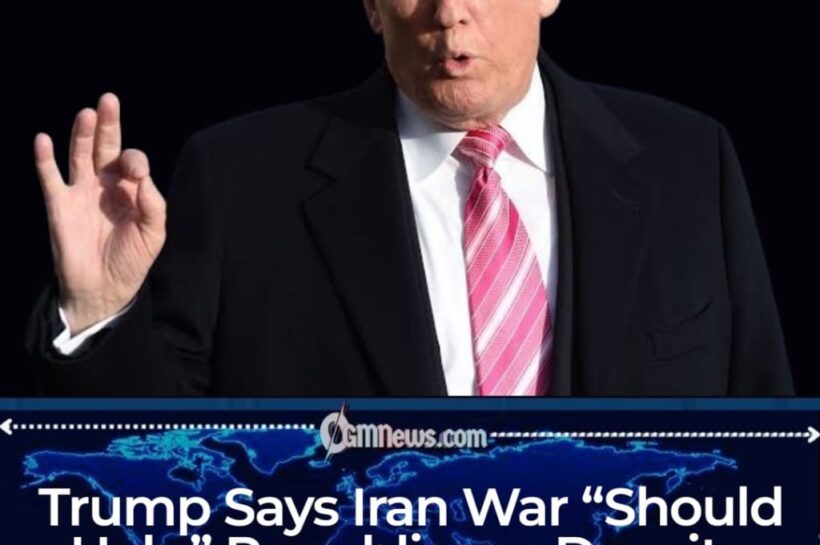












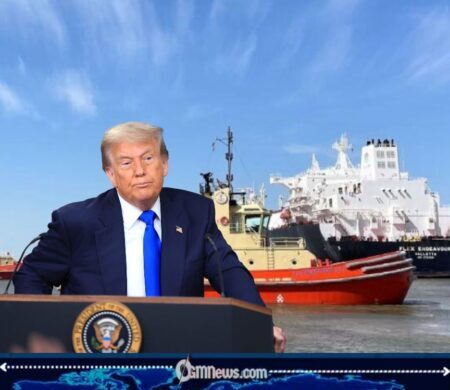
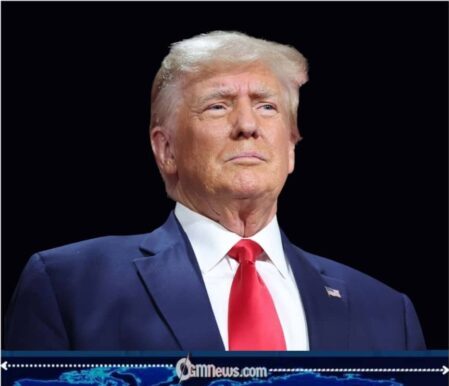
Shadow Fleet has once again become the center of international attention after the United States imposed fresh sanctions on an Iranian exchange house and a network of vessels accused of helping Tehran bypass economic restrictions. The move, unveiled by the administration of President Donald J. Trump, represents the latest escalation in Washington’s campaign to restrict Iran’s access to global financial markets and oil revenues. While officials describe the measures as a necessary response to sanctions evasion, critics argue that the long-running pressure strategy continues to raise questions about its effectiveness and long-term consequences.
US Declares War on Iran’s Wallet While Diplomats Search for Peace
The latest sanctions target Amin Exchange, an Iranian currency exchange house that US authorities allege facilitates transactions for sanctioned Iranian banks through a network of front companies operating in multiple jurisdictions. Treasury officials claim these entities oversee hundreds of millions of dollars in transactions and help Iran maintain access to the international financial system despite existing restrictions. At the same time, Washington designated 19 vessels accused of transporting Iranian petroleum and petrochemical products to foreign customers.
The Shadow Fleet designation reflects a broader effort to disrupt shipping networks that rely on complex ownership arrangements, changing flags, and indirect trade routes. US officials say these vessels play a significant role in sustaining Iranian oil exports, which remain a critical source of revenue for Tehran. The sanctions form part of what Treasury Secretary Scott Bessent has described as the administration’s “Economic Fury” campaign against Iran’s financial and maritime networks.
Shadow Fleet: New Sanctions Raise Questions About Whether Pressure or Negotiation Will Prevail
The sanctions did not emerge in isolation. Over recent months, Washington has repeatedly expanded restrictions on Iranian-linked oil traders, exchange houses, vessels, and foreign entities accused of facilitating transactions on behalf of Tehran. The latest measures follow previous actions targeting dozens of companies, individuals, and ships linked to Iranian energy exports and financial operations.
The broader context is equally significant. The sanctions arrive amid continuing tensions involving Iran, the United States, and Israel, as well as renewed diplomatic discussions concerning regional stability. Analysts note that sanctions can increase operational costs and complexity for targeted networks, but history suggests that alternative routes and financial mechanisms often emerge over time. In a somewhat ironic twist, the “Shadow Fleet” has become so frequently discussed that it may now be one of the least secret fleets in modern maritime history. Nevertheless, energy markets, shipping firms, and financial institutions continue monitoring developments closely because disruptions involving Iranian oil exports can have consequences far beyond the region.
The Shadow Fleet remains a symbol of the wider contest between sanctions enforcement and sanctions evasion. Whether these latest restrictions significantly weaken Iran’s financial networks or merely encourage more creative methods of adaptation remains uncertain. What is clear is that Washington’s pressure campaign is far from over, and both supporters and critics will be watching closely to see whether economic force succeeds where diplomacy has repeatedly struggled. OGM News will continue following developments as this story evolves.
[…] […]