



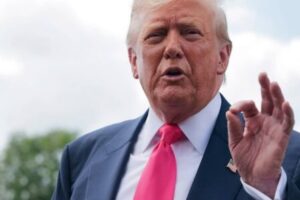


























Separation has returned to the center of America’s immigration debate after reports claimed that more than 100,000 children may have been separated from parents during immigration enforcement operations connected to policies introduced under President Donald J. Trump. The allegations have renewed fierce political and humanitarian arguments surrounding border security, government accountability, and the emotional toll imposed on migrant families. While supporters of stricter immigration controls defend the broader objective of protecting national borders, critics argue the handling of children exposed serious moral and administrative failures that continue haunting the country years later.
Border Policies Under Fire as Reports Reveal Massive Child Separation Numbers
The controversy stems from immigration enforcement practices associated with the Trump administration’s “zero tolerance” approach toward unlawful border crossings. Under the policy, adults accused of entering the United States illegally could face criminal prosecution, often resulting in children being placed separately into government custody. Officials at the time argued the strategy was intended to discourage irregular migration and strengthen border enforcement during rising concerns over migrant flows entering through the southern border.
However, rights groups, legal advocates, and medical professionals quickly condemned the policy after reports and images emerged showing children held in detention facilities away from parents. Critics argued that the Separation policy failed to adequately consider the emotional and psychological consequences for children, particularly younger migrants who reportedly struggled with fear, confusion, and uncertainty during detention procedures. Advocacy organizations also claimed inadequate tracking systems complicated reunification efforts, leaving some families separated for extended periods while officials attempted to resolve documentation and custody issues.
Critics Say America’s Immigration Strategy Punished Children Instead of Criminals
Additional investigations and public records reviewed by humanitarian organizations have continued raising concerns about the long-term effects of family separation on migrant Children. Mental health experts repeatedly warned that forced separation can create severe trauma, anxiety, depression, and emotional instability among affected children, especially when communication with parents becomes limited or uncertain. Several organizations also criticized the lack of preparation surrounding reunification procedures, arguing that federal agencies appeared overwhelmed by the scale and complexity of the policy’s consequences.
The debate has also intensified politically as immigration remains one of the most divisive issues in American public life. Supporters of stronger enforcement insist border security remains essential for national sovereignty and argue previous administrations also struggled with immigration detention challenges. Critics, however, claim the scale of Separation under the Trump crackdown reflected deeper failures within the immigration system itself. Some commentators sarcastically observed that government agencies capable of monitoring global threats somehow encountered enormous difficulty locating parents and children already inside their own detention structures — an irony that continues fueling public frustration.
The issue remains deeply emotional because it extends beyond statistics and political talking points. Every figure discussed in reports represents families navigating fear, uncertainty, and displacement under one of the most controversial immigration periods in recent American history. As investigations, lawsuits, and political arguments continue, advocacy groups are demanding greater transparency, accountability, and protections to ensure Children are never again caught at the center of policies that critics say blurred the line between enforcement and unnecessary human suffering. OGM News will continue monitoring further developments surrounding immigration reform, border enforcement, and family reunification efforts.



[…] […]