


















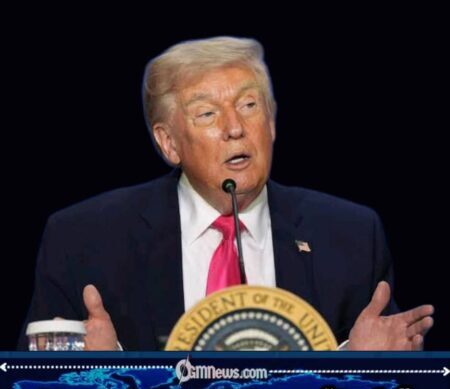
Chip Politics returned to center stage after Donald J. Trump made provocative remarks about Taiwan, geography, and America’s semiconductor industry. Trump questioned the strategic challenge of defending Taiwan while arguing that previous administrations mishandled policy decisions that allowed U.S. chip leadership to weaken over time. The comments immediately reignited debates surrounding foreign policy, manufacturing, and the future balance of global technology power.
The remarks also touched on Taiwan’s proximity to China and America’s distance from the region, raising familiar arguments about strategic realities and international commitments. Critics quickly challenged aspects of the comments, while supporters viewed them as a blunt assessment of global competition.
Taiwan Remarks Reopen Longstanding Political Questions
Taiwan occupies one of the world’s most sensitive geopolitical positions because of its role in semiconductor production and its complex relationship with China. Taiwan is home to globally significant chip manufacturers and has become central to supply chains powering smartphones, artificial intelligence systems, automobiles, and advanced electronics.
Within the broader Chip Politics discussion, Trump’s claim that Taiwan “stole” the American chip industry has generated debate. Industry experts frequently argue that semiconductor production shifted over decades because of globalization, manufacturing investments, labor economics, government incentives, and corporate decisions rather than a single political action or country.
Technology Competition Expands Beyond Economics
Semiconductor competition has increasingly evolved into a strategic national security issue. Governments worldwide have invested heavily in domestic manufacturing initiatives aimed at reducing reliance on overseas supply chains and strengthening technological independence.
Chip Politics now reflects a broader struggle involving economics, diplomacy, and military strategy. Analysts say the debate is no longer simply about who manufactures computer components but about who controls critical technologies shaping the future global economy.
As reactions continue, Trump’s comments have once again demonstrated how discussions about chips now extend far beyond factories and technology companies. OGM News understands that future debates around Taiwan, semiconductors, and global competition are likely to intensify as world powers continue redefining strategic priorities.Chip Politics: Trump’s Taiwan Remarks Trigger New Firestorm Over Technology and Global Power
Chip Politics returned to center stage after Donald J. Trump made provocative remarks about Taiwan, geography, and America’s semiconductor industry. Trump questioned the strategic challenge of defending Taiwan while arguing that previous administrations mishandled policy decisions that allowed U.S. chip leadership to weaken over time. The comments immediately reignited debates surrounding foreign policy, manufacturing, and the future balance of global technology power.
The remarks also touched on Taiwan’s proximity to China and America’s distance from the region, raising familiar arguments about strategic realities and international commitments. Critics quickly challenged aspects of the comments, while supporters viewed them as a blunt assessment of global competition.
Taiwan Remarks Reopen Longstanding Political Questions
Taiwan occupies one of the world’s most sensitive geopolitical positions because of its role in semiconductor production and its complex relationship with China. Taiwan is home to globally significant chip manufacturers and has become central to supply chains powering smartphones, artificial intelligence systems, automobiles, and advanced electronics.
Within the broader Chip Politics discussion, Trump’s claim that Taiwan “stole” the American chip industry has generated debate. Industry experts frequently argue that semiconductor production shifted over decades because of globalization, manufacturing investments, labor economics, government incentives, and corporate decisions rather than a single political action or country.
Technology Competition Expands Beyond Economics
Semiconductor competition has increasingly evolved into a strategic national security issue. Governments worldwide have invested heavily in domestic manufacturing initiatives aimed at reducing reliance on overseas supply chains and strengthening technological independence.
Chip Politics now reflects a broader struggle involving economics, diplomacy, and military strategy. Analysts say the debate is no longer simply about who manufactures computer components but about who controls critical technologies shaping the future global economy.
As reactions continue, Trump’s comments have once again demonstrated how discussions about chips now extend far beyond factories and technology companies. OGM News understands that future debates around Taiwan, semiconductors, and global competition are likely to intensify as world powers continue redefining strategic priorities.
[…] […]